
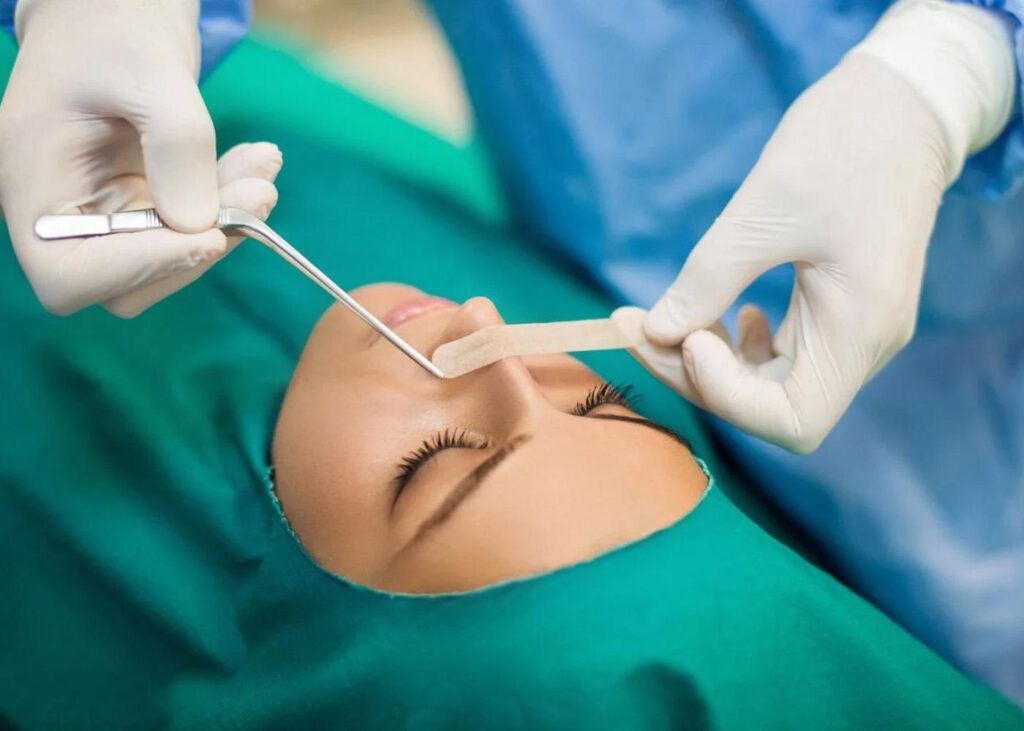
Nose shape affects overall facial balance. The nasal bridge, tip and nostrils influence its appearance from different angles. Nose Reshaping Surgery can adjust these features based on facial structure, skin thickness, cartilage strength and healing.
How Nose Anatomy Affects Results
The nose contains bone, cartilage, skin and soft tissue. Each part affects its appearance and function. The nasal bones support the upper section while cartilage gives shape and flexibility to the lower section.Surgeons assess these structures before deciding which changes may help. A prominent bridge may require a different approach from a wide nasal tip or uneven nostrils. The surgeon must also preserve enough structural support to maintain nasal function.
Skin Thickness Can Affect the Results
Skin thickness plays an important role in the final appearance. Thicker skin may hide small changes in the nasal tip. Thin skin can make minor irregularities more noticeable.Surgeons consider skin quality when planning the procedure. They also explain how these features may affect the final result. Patients should understand that surgery cannot produce the same outcome for every nose.
Facial Balance Matters More Than Nose Size
A nose should suit the person’s overall facial features. Its size and shape can look different depending on the forehead, cheeks, chin and lips.For example, reducing the nasal bridge may change the side profile. Adjusting the tip may affect the appearance of the nose from the front. Surgeons assess these relationships to plan changes that maintain facial balance.The goal is not to copy another person’s nose. Instead treatment should address specific concerns while respecting the patient’s natural features.
Surgical Plans Depend on Individual Needs
People consider nose surgery for different reasons. Some want to address a bump on the bridge. Others may have a crooked nose, a drooping tip or changes caused by an injury.The surgical plan depends on the concern and the underlying anatomy. Some procedures focus on reshaping bone and cartilage. Others may require additional support to improve the nose’s structure.Patients should explain which features concern them most during consultation. This helps the surgeon assess their goals and discuss realistic options.
Maintaining Proper Nasal Breathing
Nose surgery can improve appearance and breathing. The surgeon checks the nasal septum and other structural issues. Patients should mention any nasal blockage, injuries or breathing problems before surgery.
Previous Surgery Affects Surgical Planning
Revision surgery can be more complex than an initial procedure. Previous operations may change the cartilage, create scar tissue or reduce the nose’s structural support.The surgeon must assess the remaining tissue before recommending further changes. Some cases may require cartilage grafts to provide additional support. The available options depend on the patient’s anatomy and previous surgical history.A detailed examination helps establish what further surgery may realistically achieve.
Healing Influences the Final Results
Swelling and bruising commonly occur after surgery. The initial swelling usually improves over the first few weeks but the nose continues to heal for several months. Subtle changes may take a year or longer to settle.Patients should follow their surgeon’s instructions and attend scheduled follow-up visits. They should also protect the nose from pressure or injury during recovery.Early swelling does not show the final result. Patience is important because healing varies from person to person.
Setting Realistic Goals Before Surgery
Patients considering Nose Reshaping surgery in Lahore should consult an experienced surgeon to discuss their medical history, nasal structure, breathing and goals. They should also ask about risks, recovery time, expected results and possible further surgery. Digital previews can show potential changes but cannot guarantee results.
At institute cosmetique patients can discuss their concerns and suitable nose reshaping options with a qualified professional.
Sum up
Nose shape and surgical results depend on more than appearance alone. Bone structure, cartilage, skin thickness, facial proportions and healing all influence the final outcome. Careful planning helps address individual concerns while protecting nasal function. A qualified surgeon can explain realistic expectations, possible risks and suitable treatment options.
Frequently Asked Questions
1. Why do nose reshaping results differ from person to person?
Results vary because each person has different bone structure, cartilage strength, skin thickness and facial proportions. Healing also affects the final appearance.
2. Does skin thickness affect nose surgery results?
Yes. Thick skin may hide small changes while thin skin may show minor irregularities more clearly. The surgeon considers skin thickness during planning.
3. Can nose reshaping surgery improve breathing?
It may improve breathing when structural problems contribute to nasal blockage. The surgeon must assess the cause before recommending treatment.
4. How long does it take to see the final results?
Initial swelling usually improves within weeks. However subtle swelling may continue for months and the final shape can take a year or longer to settle.
5. Can a previous nose surgery affect another procedure?
Yes. Scar tissue, changes in cartilage and reduced structural support can make revision surgery more complex. A detailed examination helps determine suitable options.