
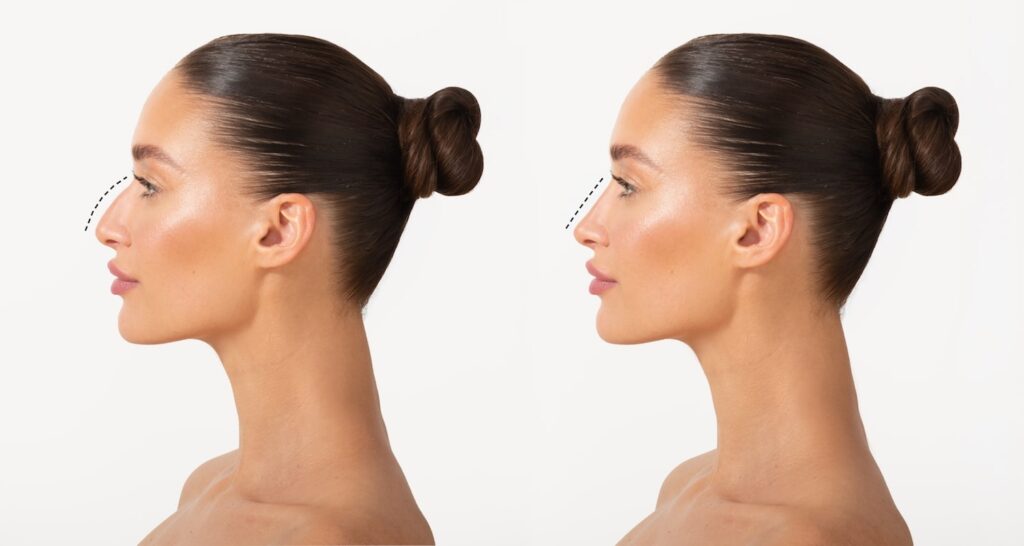
Rhinoplasty can change the shape, size and proportions of the nose. However the final result depends on more than the surgeon’s technique. Natural nose structure, skin thickness, facial balance and healing can all influence the outcome.
Understanding these factors helps patients set realistic expectations. It also helps them prepare for surgery with a clearer idea of what may affect their results.
1. Natural Nose Structure
The nose contains bone cartilage and soft tissue. These structures determine its shape and support.
- Nasal bridge: Influences the nose’s profile.
- Nose tip: Affects definition and projection.
- Nostrils: Influence the width and lower shape of the nose.
- Cartilage strength: Helps maintain nasal support.
Key Points to Know:The surgeon assesses these features before planning changes. Every nose has different structural needs.
2. Skin Thickness
Skin thickness can affect how clearly the new nose shape appears. Thinner skin may show small changes in the underlying structure. Thicker skin can soften fine details especially around the tip.
Surgeons consider skin thickness when planning the procedure. They also explain which changes may be realistic for each patient.
3. Facial Proportions
The nose should suit the person’s overall facial features. Changing its size without considering the forehead, cheeks, chin and lips may affect facial balance.
A surgeon may assess:
- Nose length and width
- Chin projection
- Facial symmetry
- Side profile
- Overall facial proportions
The goal is to plan changes that complement the face rather than follow one standard nose shape.
4. Surgical Technique
The surgeon selects a technique based on the patient’s anatomy and goals. Some procedures require changes to the nasal bridge. Others focus on the tip, nostrils or internal structures.
The surgical plan may address:
- Bone reshaping
- Cartilage adjustment
- Tip refinement
- Structural support
- Breathing concerns
Key Points to Know:The right approach depends on the changes needed. Patients should discuss the benefits and limitations of the recommended technique during consultation.
5. Nasal Breathing and Internal Structure
Rhinoplasty may involve appearance changes, functional improvements or both. The surgeon must consider the nasal airway when planning structural changes.
A deviated septum or narrow nasal passages may contribute to breathing difficulties. Patients should mention nasal blockage, previous injuries and existing breathing problems before surgery.
Addressing functional concerns can help protect nasal airflow. Cosmetic goals should not come at the expense of breathing.
6. Healing and Swelling
The nose continues to heal after surgery. Swelling can hide details and make the nose appear different from its expected shape during recovery.
Patients may notice that:
- Swelling decreases gradually.
- The tip may take longer to settle.
- One side may appear more swollen than the other.
- The final definition takes time to develop.
Key Points to Know:Following aftercare instructions helps support recovery. Patients should attend follow-up appointments and contact their surgeon if they notice unusual symptoms.
7. Previous Surgery and Individual Goals
Previous nasal surgery can change the available cartilage and internal support. Scar tissue may also affect the surgeon’s options. Revision procedures often require careful planning.
Personal goals matter as well. Patients should explain which features concern them and what changes they hope to achieve. Clear communication helps the surgeon assess whether those goals are realistic.
How to Prepare for Better Surgical Planning
A detailed consultation helps the surgeon understand the patient’s needs. Patients should share their medical history, current medications, breathing concerns and previous nasal procedures.
Before surgery, discuss:
- Expected changes from different angles
- Possible risks and complications
- Recovery time and follow-up care
- Limitations of the procedure
- Whether the plan addresses breathing as well as appearance
Key Points to Know:Digital images may help explain possible changes. However they cannot guarantee the exact surgical outcome.
Sum up
Rhinoplasty results depend on nose structure, skin thickness, facial proportions, surgical technique and the healing process. Careful planning helps create balanced results while protecting nasal function. People considering Best Rhinoplasty Surgery in Lahore should discuss their goals, breathing concerns and expected outcomes with a qualified surgeon at Institute Cosmetique before making a decision.
Frequently Asked Questions
1. Why do rhinoplasty results look different from every angle?
The bridge, tip, nostrils and surrounding facial features affect how the nose appears from different views.
2. Does thick skin affect rhinoplasty results?
Yes. Thick skin can make fine details less visible particularly around the nose tip.
3. How long does the nose take to heal?
Swelling improves gradually. The final shape may take a year or longer to settle, especially around the tip.
4. Can rhinoplasty improve breathing?
It may improve breathing when the surgeon identifies and treats certain structural problems. Results depend on the cause of the obstruction.
5. Can previous nose surgery affect the results?
Yes. Scar tissue and changes to cartilage or support can make revision surgery more complex.