
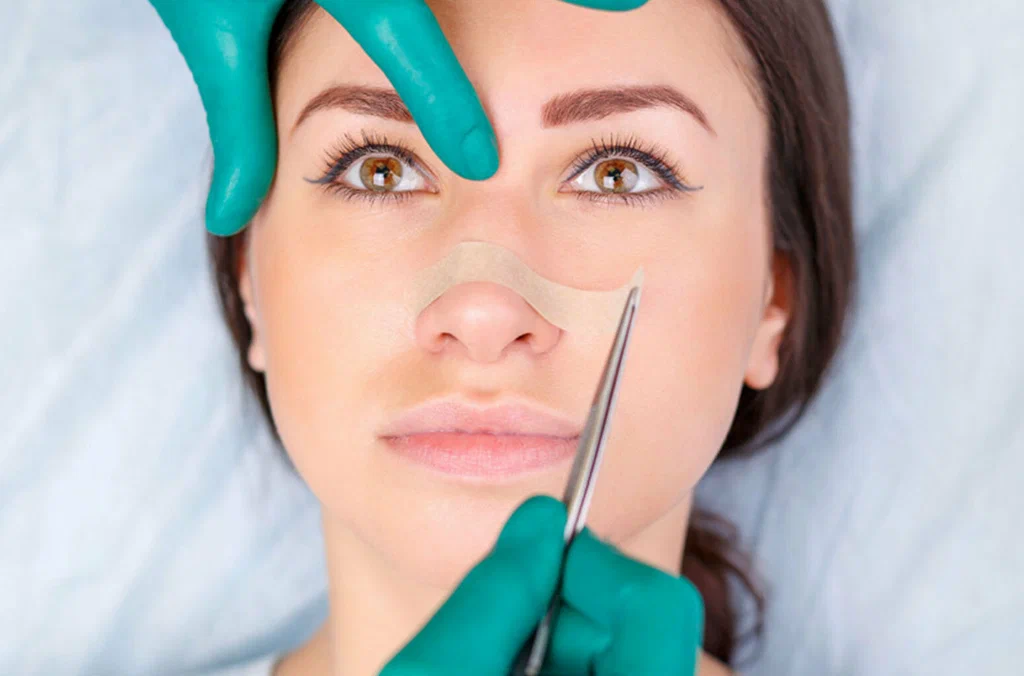
The shape of your nose can look different from the front and side. A nose may appear straight from one angle but look uneven from another. Changes to the bridge, tip or nostrils can affect the overall facial profile.Nose surgery can address certain structural and cosmetic concerns. The goal is to improve balance while keeping the nose in proportion with other facial features. The right approach depends on the person’s nose structure, skin thickness and individual goals.
Front and Side Nose Views
The front view shows the width of the nose, the alignment of the bridge and the balance between the nostrils. The side view highlights the bridge, tip projection and angle between the nose and upper lip.A change that improves one view may affect another. Surgeons therefore assess the nose from several angles before planning treatment. This helps them consider the overall shape rather than focusing on one feature alone.
Front View
The front view helps show whether the nose sits evenly in the center of the face. A crooked bridge, uneven nostrils or a wide nasal tip can affect facial balance.Surgical planning may focus on improving alignment or adjusting the width and shape of specific areas. However every face has some natural asymmetry. The aim is better balance rather than perfect symmetry.
Side Profile
The side profile highlights the nose bridge, tip projection, and angle between the nose and upper lip. A prominent bump or drooping tip may make the nose appear more noticeable.Nose Reshaping surgery can adjust these features when the patient’s anatomy allows it. The surgeon considers the existing bone and cartilage before deciding which changes may improve the profile. The goal is a shape that suits the person’s facial features.
Skin and Nose Structure
Skin thickness and cartilage strength can affect the final result. Thicker skin may make small changes at the nasal tip less visible. Thin skin may show minor irregularities more clearly.The surgeon also examines the nasal bones, cartilage and internal structure. These features help determine which changes are practical and how much the nose can be reshaped safely.
Natural Results
A natural-looking result should suit the person’s face rather than copy another person’s nose. The size, shape and projection of the nose should remain in proportion to the forehead, cheeks, and chin.Patients should discuss their goals clearly during consultation. Before-and-after photographs can help explain the changes they prefer. However photographs or digital previews cannot guarantee the exact surgical outcome.
Nasal Breathing and Nose Structure
Appearance is only one part of nose surgery. The internal structure also affects airflow and breathing. A deviated septum or other structural problem may cause nasal blockage.Patients should mention breathing difficulties during consultation. The surgeon can assess whether functional correction is needed alongside cosmetic changes. Maintaining or improving nasal function should remain an important part of treatment planning.
Recovery
Swelling and bruising are common after surgery. The nose may look different during the early healing period. Initial swelling often decreases over the first few weeks but subtle changes can continue for several months.Patients should follow their surgeon’s instructions and attend follow-up appointments. They should also avoid judging the final shape too early. Full refinement can take up to a year, depending on the procedure and individual healing.
Setting Clear Surgical Goals
People considering Nose Reshaping surgery in Lahore should choose a qualified surgeon with relevant experience. The consultation should cover nose structure, breathing, medical history, possible risks and expected results.At Institute Cosmetique patients can discuss their concerns and seek professional guidance about suitable options. A careful assessment helps establish realistic goals based on individual facial features.
Sum up
A balanced nose should look suitable from both the front and side. Careful planning helps address concerns such as a crooked bridge, uneven tip or prominent profile while considering nasal function.Nose Reshaping surgery cannot guarantee perfect symmetry or an exact result. A qualified surgeon can explain the possible improvements, limitations and risks before treatment.