
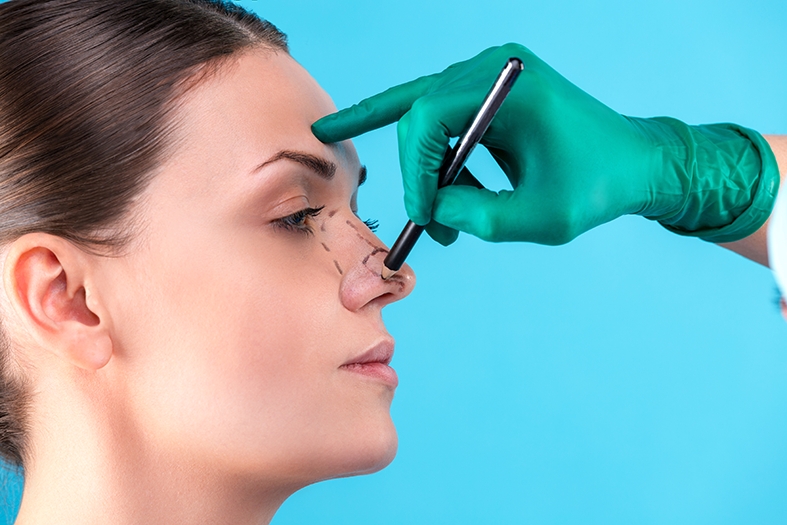
Nasal skin thickness can influence how the nose looks after surgery. Skin, soft tissue, cartilage, and bone all work together to create the final appearance. Because skin characteristics vary from person to person, surgeons consider them carefully when planning treatment.
Skin Coverage and Nose Structure
Thin Skin Shows Structural Changes
Thin nasal skin may reveal changes to the underlying cartilage and bone more clearly. Small irregularities can also become more noticeable so precise surgical planning is important.
Thick Skin Softens Fine Details
Thicker skin can make subtle structural changes less visible. It may also take longer for swelling to settle especially around the nasal tip.
Nasal Tip Shape and Soft Tissue
Tip Refinement
The nasal tip is particularly affected by skin thickness. Thick skin may cover fine cartilage changes while thin skin can show the underlying structure more clearly.
Cartilage Support
Surgeons may consider cartilage support when planning tip changes. The goal is to create definition while maintaining proper nasal strength and function.
Swelling and Long-Term Nasal Changes
Early Post-Surgery Changes
Swelling is common after Rhinoplasty. Patients with thicker skin may notice that swelling around the tip remains visible for a longer period.
Gradual Improvement
The nose gradually becomes more defined as swelling decreases. The healing process varies between patients so early appearance does not always represent the final result.
Skin Thickness and Treatment Planning
Individual Assessment
A surgeon evaluates skin thickness along with bone structure, cartilage, nasal shape and facial proportions. This helps determine how much structural change is appropriate.
Realistic Expectations
Skin characteristics can affect how clearly the final changes appear. Discussing these factors before surgery helps patients develop realistic expectations.
Effects on Nasal Contours
Bridge Definition
Changes to the nasal bridge may appear differently depending on skin thickness. Thicker tissue can create a softer appearance while thinner skin may reveal contours more clearly.
Tip Contours
The tip often requires careful planning because it contains several cartilage structures beneath the skin. Excessive changes may affect both appearance and support.
Skin Thickness and Surgical Technique
Technique Selection
The chosen technique depends on the patient’s anatomy and the corrections required. Skin thickness is one factor considered alongside nasal structure and surgical goals.
Structural Preservation
Maintaining adequate support is important during Rhinoplasty. Surgical changes should be planned carefully to support both appearance and nasal function.
Individual Factors in Recovery
Natural Healing Differences
Age, skin characteristics, tissue response and the extent of surgery can influence recovery. Every patient may experience swelling and healing differently.
Care Steps During Recovery
Proper postoperative care can support the healing process. Patients should follow their surgeon’s instructions and attend recommended follow-up appointments.
For patients considering Nose Reshaping surgery in Lahore skin thickness should be discussed during the consultation because it can influence surgical planning and the appearance of refined nasal features.
At Institute Cosmetique an individual assessment can help determine the appropriate approach according to nasal structure, skin characteristics and desired changes.
Nasal Changes Over Time
Refinement Over Time
The nose can continue to settle after the initial recovery period. Subtle changes may become clearer as swelling gradually decreases.
Final Appearance
The final result depends on several factors rather than skin thickness alone. Surgical technique, nasal structure healing and realistic goals all contribute to the outcome.
Sum up
Skin thickness is an important consideration in Rhinoplasty planning. Thin skin may show structural changes more clearly while thick skin can soften definition and prolong visible swelling.A personalized surgical plan helps account for these differences and supports balanced, natural-looking results.
Frequently Asked Questions
Does thick nasal skin affect Rhinoplasty results?
Yes. Thick skin can reduce the visibility of fine structural changes and may take longer to settle after surgery.
Does thin skin make Rhinoplasty easier?
Not necessarily. Thin skin can show structural irregularities more clearly, which requires careful surgical planning.
Does skin thickness affect nasal tip definition?
Yes. The amount of soft tissue covering the cartilage can influence how clearly tip refinement appears.
How long can swelling last?
Swelling gradually decreases during recovery. The timeline varies depending on the individual and the extent of surgery.
Can a surgeon change skin thickness during Rhinoplasty?
Skin thickness itself is not usually changed significantly. Surgical planning focuses on the underlying nasal structures and how they interact with the existing soft tissue.