
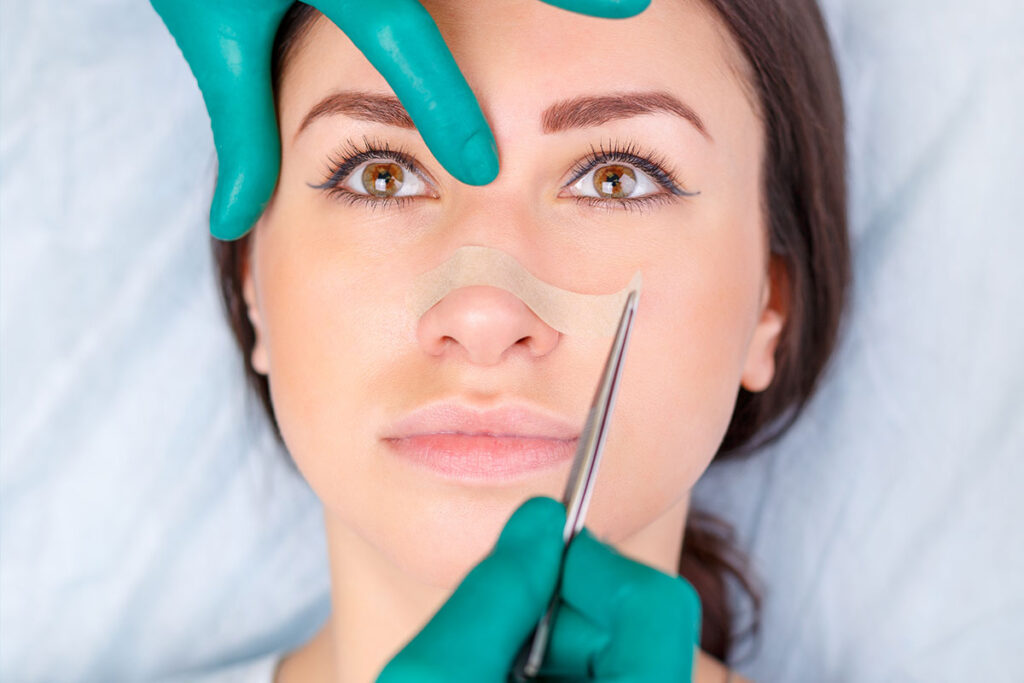
Safety starts with proper planning before surgery. A detailed assessment helps identify nasal structure, breathing concerns, medical factors and the changes a patient wants to achieve.
Rhinoplasty can be performed safely in suitable patients when the procedure is properly planned and carried out by a qualified surgeon in an appropriate surgical setting.
Medical Assessment Before Surgery
Reviewing Your Health
Your surgeon should review your medical history, current medications, allergies and previous surgeries. This information can help identify factors that may affect anesthesia or healing.
Checking Nasal Function
Breathing problems, nasal obstruction or previous injuries should be discussed before surgery. These concerns may influence the surgical plan.
Choosing a Qualified Surgeon
Experience and Training
A qualified surgeon should have appropriate training and experience in nasal surgery. Reviewing their credentials and previous work can help patients make an informed decision.
Clear Communication
Patients should discuss their desired changes, concerns and expectations openly. Good communication helps create a realistic treatment plan.
Understanding Surgical Risks
Potential Risks and Concerns
Like other surgical procedures Rhinoplasty can involve risks such as bleeding, infection, swelling, breathing difficulties or changes that may not meet expectations.
Health Considerations Before Surgery
Risks can vary according to health, nasal structure, previous surgery and the extent of correction. A consultation allows these factors to be assessed individually.
Structural Considerations Before Surgery
Assessing Bone and Cartilage
The surgeon evaluates the nasal bones, cartilage, skin and internal structures before deciding how the nose should be reshaped.
Maintaining Nasal Support
Removing or changing too much tissue can affect nasal strength and function. Careful planning helps maintain appropriate structural support.
For patients considering Nose Reshaping surgery in Lahore discussing medical history, nasal concerns, expected changes and recovery requirements before treatment is important.
At Institute Cosmetique a detailed consultation can help assess individual nasal features and plan treatment according to the patient’s needs.
Anesthesia and Surgical Setting
Safe Surgical Environment
The procedure should be performed in a properly equipped facility with appropriate monitoring and trained medical staff.
Anesthesia Assessment
The anesthesia team reviews the patient’s health and medical history before surgery. Patients should provide complete information about medications and previous reactions to anesthesia.
Preparing For Recovery
Following Medical Instructions
Patients should follow instructions regarding medications, food, smoking and other preparation requirements before surgery.
Planning Time for Healing
Arranging adequate rest and follow-up care can make the recovery period easier. Patients should also know when to contact their surgical team if unusual symptoms develop.
Planning for Natural Results
Understanding the Final Outcome
The goal is not simply to create a smaller nose. Changes should complement facial proportions while maintaining suitable nasal structure and function.
Allowing Time for Healing
Swelling can affect the appearance during the early recovery period. The nose gradually settles as healing progresses.
Revision and Further Nasal Correction
Unexpected Healing
Healing can sometimes produce unevenness or changes that require further assessment. Minor concerns may improve as swelling decreases.
Revision Procedures
A second procedure is not always necessary, but some patients may require additional correction. Any revision should be considered carefully after adequate healing.
Key Safety Points
A safe nose surgery plan involves proper patient assessment, qualified surgical care, suitable anesthesia, realistic expectations and appropriate follow-up.Patients should discuss both cosmetic and functional concerns before surgery. Understanding the possible risks and recovery process can also help them make informed decisions.
Frequently Asked Questions
Is Rhinoplasty generally considered safe?
It can be performed safely in suitable patients when proper assessment, surgical planning, qualified care and follow-up are provided.
What are the common risks?
Possible risks include bleeding, infection, swelling, breathing problems, changes in sensation and dissatisfaction with the final appearance.
Does good health improve surgical safety?
Good overall health can support safer surgery and recovery but individual risks still need to be assessed before treatment.
How can patients prepare for surgery?
Patients should provide complete medical information, follow preoperative instructions, arrange recovery time and attend required consultations.
Does Rhinoplasty affect breathing?
It can affect breathing when internal nasal structures are changed. Proper surgical planning should consider both appearance and nasal function.