
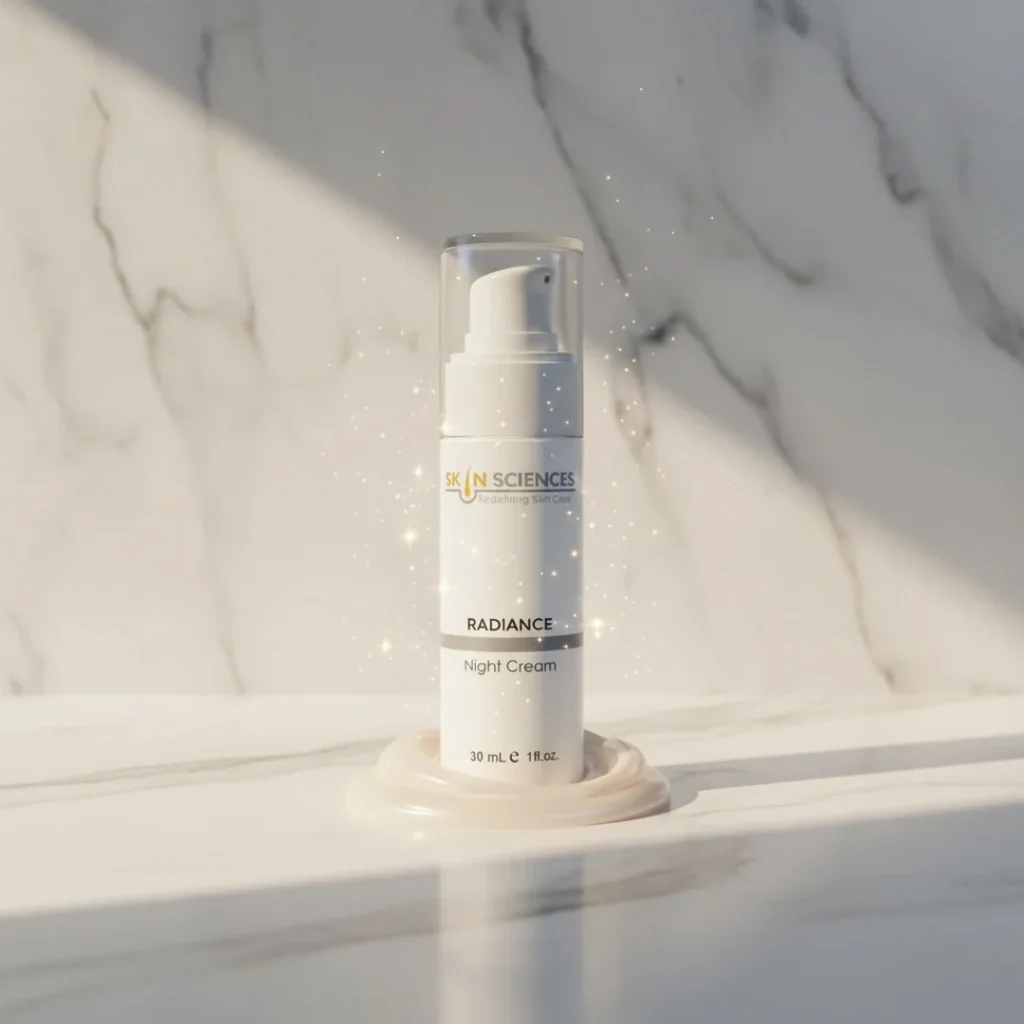
Waking up with tired, lackluster skin despite applying a moisturizer before bed can be frustrating. Why Does My Skin Look Dull Even After Using Night Cream? The answer is often more complex than simply choosing the wrong product. Healthy-looking skin depends on consistent care, proper product application, lifestyle habits, and selecting ingredients that address your skin’s specific needs. A night moisturizer supports overnight skin repair, but it cannot compensate for an incomplete skincare routine or external factors that affect the complexion.
At Skin Sciences Night Cream, we believe effective skincare combines science-backed formulations with practical daily habits. Understanding the reasons behind a dull complexion can help you make smarter choices and achieve skin that appears smoother, brighter, and well-hydrated.
A Night Cream Is Only One Part of Healthy Skin
Many people expect dramatic results from a single product. While a nourishing moisturizer helps replenish moisture during sleep, glowing skin depends on several factors working together.
These include:
- Proper cleansing
- Consistent hydration
- Gentle exfoliation
- Skin barrier protection
- Balanced nutrition
- Quality sleep
- Daily sun protection
When one or more of these elements is missing, your complexion may continue to look uneven or tired.
Dead Skin Cells Can Hide Your Natural Glow
One of the most common reasons for dull-looking skin is the buildup of dead skin cells.
Your skin naturally renews itself, but this process slows with age, environmental stress, and dehydration. As dead cells accumulate, the surface becomes rough and reflects less light, making the complexion appear lifeless.
How to Improve Cell Turnover
Adding gentle exfoliation once or twice each week can help remove surface buildup without damaging the skin.
Ingredients commonly used include:
- Lactic acid
- Glycolic acid
- Salicylic acid
- Mild AHAs
Avoid excessive exfoliation, as overdoing it may weaken the skin barrier and increase sensitivity.
Your Skin May Be Dehydrated, Not Dry
Many people confuse dry skin with dehydrated skin.
Dry skin lacks natural oils, while dehydrated skin lacks water. Even oily skin can become dehydrated, leading to a rough texture and reduced radiance.
Look for moisturizers containing:
- Hyaluronic acid
- Glycerin
- Panthenol
These humectants help attract water into the outer layers of the skin, supporting a healthier appearance.
At Skin Sciences, hydration is considered one of the foundations of an effective nighttime skincare routine.
You’re Skipping Proper Cleansing
A moisturizer performs best when applied to clean skin.
Throughout the day, your face collects:
- Sebum
- Sweat
- Sunscreen residue
- Makeup
- Dust
- Environmental pollutants
Leaving these impurities on the skin overnight can interfere with product absorption and contribute to congestion.
Choose a gentle facial cleanser that removes buildup without leaving the skin feeling tight or stripped.
Your Skin Barrier Needs Extra Support
The skin barrier protects against moisture loss and environmental stress.
When this protective layer becomes weakened, the skin often appears rough, irritated, and less radiant.
Signs of a compromised barrier include:
- Tightness
- Redness
- Flaking
- Increased sensitivity
Barrier-supporting ingredients include:
- Ceramides
- Squalane
- Fatty acids
- Cholesterol
- Panthenol
These ingredients help reduce transepidermal water loss (TEWL) while improving overall comfort.
You’re Using the Wrong Formula
Not every moisturizer is suitable for every skin type.
Selecting products based on social media popularity rather than personal skin concerns often leads to disappointing results.
Oily Skin
Look for lightweight, fast-absorbing formulations that hydrate without feeling greasy.
Dry Skin
Choose richer creams containing emollients and occlusives to improve moisture retention.
Combination Skin
Balanced moisturizers provide hydration without overwhelming oil-prone areas.
Sensitive Skin
Fragrance-free products with soothing ingredients like aloe vera and ceramides are often better tolerated.
Skin Sciences encourages consumers to understand their skin before selecting skincare products.
Layering Products in the Wrong Order
The sequence of your nighttime routine matters.
A recommended order includes:
- Cleanser
- Toner (optional)
- Face serum
- Moisturizer
Applying heavier products before lightweight serums may reduce absorption and limit effectiveness.
Allow each layer a short moment to settle before moving to the next step.
Lack of Sleep Can Affect Your Complexion
Nighttime is when the skin naturally repairs itself.
Poor sleep quality may contribute to:
- Dull complexion
- Puffiness
- Uneven skin tone
- Tired-looking eyes
Aim for seven to nine hours of quality sleep each night to support normal overnight skin recovery.
A consistent sleep schedule also complements a healthy skincare routine.
Environmental Stress Continues to Affect Skin
Pollution, dust, smoke, and prolonged blue light exposure may contribute to oxidative stress.
Free radicals generated by environmental factors can gradually affect the appearance of healthy skin.
Antioxidant-rich skincare ingredients such as:
- Vitamin C
- Vitamin E
- Niacinamide
help support the skin against everyday environmental challenges.
Hydration Starts From Within
Topical skincare works best when supported by healthy daily habits.
Drinking sufficient water throughout the day contributes to normal skin function.
Although water alone does not eliminate dryness, proper hydration supports overall skin health alongside moisturizers.
Diet Can Influence Skin Appearance
Your complexion often reflects your nutritional habits.
A balanced diet containing:
- Fresh fruits
- Vegetables
- Healthy fats
- Lean protein
- Nuts
- Seeds
provides vitamins and antioxidants that contribute to healthier-looking skin.
Highly processed foods and excessive sugar may affect some people’s skin over time.
Consistency Produces Better Results
Many consumers change products too quickly.
Healthy skin improvements often require several weeks of regular use before becoming noticeable.
Switching products every few days prevents your skin from adapting to a consistent routine.
Patience is one of the most overlooked aspects of successful skincare.
Don’t Ignore Gentle Exfoliation
Exfoliation removes accumulated surface cells that can make skin appear rough.
However, balance is essential.
Exfoliating too frequently may weaken the skin barrier, causing irritation and dryness.
For many people, once or twice weekly is sufficient depending on skin sensitivity.
Ingredients That Support Overnight Skin Repair
Well-formulated moisturizers often combine several beneficial ingredients rather than relying on one hero ingredient.
Look for products containing:
- Hyaluronic acid
- Ceramides
- Niacinamide
- Peptides
- Glycerin
- Squalane
- Panthenol
- Vitamin E
Each ingredient contributes differently to hydration, barrier support, and smoother skin texture.
At Skin Sciences, ingredient selection focuses on supporting long-term skin health rather than promising unrealistic overnight transformations.
Lifestyle Habits That Improve Skin Radiance
Healthy skin reflects healthy daily routines.
Simple habits include:
Manage Stress
Long-term stress may influence skin appearance and overall wellness.
Stay Active
Regular physical activity supports healthy circulation, contributing to a fresher complexion.
Avoid Sleeping With Makeup
Leaving makeup on overnight can trap impurities and reduce the effectiveness of your skincare products.
Use Sunscreen Every Morning
Even though this is a nighttime skincare discussion, protecting your skin during the day helps preserve the benefits of your evening routine.
A Simple Nighttime Routine That Works
An effective routine doesn’t need to involve numerous products.
Consider this simple sequence:
- Remove makeup thoroughly.
- Wash with a gentle cleanser.
- Apply a hydrating serum if needed.
- Use an appropriate moisturizer.
- Allow products to absorb before sleeping.
Following the same routine consistently often delivers better results than frequently experimenting with new products.
Why Skin Sciences Focuses on Smart Skincare
Every person’s skin is different, which is why skincare should never rely on trends alone.
Skin Sciences believes consumers benefit most from products developed with carefully selected ingredients, practical routines, and realistic expectations. Rather than searching for instant miracles, building healthy skincare habits creates long-term improvements in hydration, texture, and overall skin appearance.
Last Words
A dull complexion after using a nighttime moisturizer does not necessarily mean the product has failed. Factors such as inadequate cleansing, dehydration, dead skin cell buildup, an impaired skin barrier, insufficient sleep, environmental exposure, and inconsistent skincare habits all influence how your skin looks each morning.
By choosing products suited to your skin type, following the correct application order, incorporating gentle exfoliation, maintaining hydration, and protecting your skin every day, you can gradually restore a healthier, more radiant complexion. Skin Sciences is committed to helping Pakistani consumers make informed skincare decisions with science-backed formulations and practical guidance that support long-term skin wellness. Consistent care, realistic expectations, and high-quality ingredients remain the foundation of naturally healthy-looking skin.
Your skin may look dull even after using night cream due to dehydration, dead skin buildup, or an unbalanced skincare routine. If cleansing and exfoliation are not done properly, products cannot work effectively. Consistent skincare and proper hydration are essential for a healthy glow.
Learn more about effective skincare routines here:https://rhinoplasty.org.pk/