
Healthy skin begins with proper hydration, but not every moisturizer delivers the results your skin needs. Many people continue using products that seem popular without realizing they may be causing more harm than good. If your skin still feels dry, greasy, irritated, or prone to breakouts, your moisturizer may not be the right match.
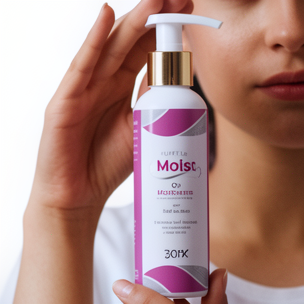
Finding the QHC Moisturizer in Pakistan is not just about choosing a well-known product—it’s about selecting a formula that suits your skin type, supports the skin barrier, and provides long-lasting nourishment. Whether your goal is softer skin, improved hydration, or a radiant complexion, recognizing the signs of an unsuitable moisturizer is the first step toward healthier skin.
At QHC, skincare is centered on effective ingredients, gentle formulations, and routines that support lasting skin health rather than temporary results.
Why Choosing the Right Moisturizer Matters
A moisturizer does much more than make skin feel soft. It helps maintain the skin’s protective barrier, locks in hydration, reduces water loss, and supports the natural repair process. A suitable formula also improves skin texture, enhances elasticity, and protects against environmental stressors such as pollution, sun exposure, and changing weather conditions.
Pakistan’s climate varies significantly across different regions. Hot summers, dry winters, humidity, dust, and pollution all influence how the skin behaves. Because of these changing conditions, using the wrong product can quickly lead to discomfort and visible skin concerns.
1: Your Skin Feels Tight After Application
One of the most common warning signs is persistent tightness.
If your skin feels dry within an hour or two after moisturizing, the product may not be providing enough hydration. This often happens when the formula lacks effective humectants and barrier-supporting ingredients.
Look for moisturizers containing:
- Hyaluronic acid
- Glycerin
- Ceramides
- Panthenol
- Squalane
These ingredients attract moisture while strengthening the skin barrier, helping skin remain comfortable throughout the day.
QHC focuses on balanced formulations that deliver hydration without leaving skin feeling heavy.
2: Your Face Looks Oily but Still Feels Dry
Many people confuse oily skin with hydrated skin.
If your face becomes shiny while still feeling rough or tight, your skin may actually be dehydrated. In response, it produces extra oil to compensate for moisture loss.
Why This Happens
- Lightweight hydration is missing.
- The product sits on the surface instead of penetrating the skin.
- The moisture barrier remains compromised.
Choosing a moisturizer with lightweight hydration rather than excessive oils can help restore balance without clogging pores.
3: You’re Experiencing Frequent Breakouts
Not every breakout is caused by hormones.
Sometimes, an overly rich moisturizer blocks pores and traps excess oil, increasing the likelihood of blemishes.
Signs Your Moisturizer May Be Causing Acne
- New pimples appear shortly after switching products.
- Whiteheads become more frequent.
- Skin feels greasy throughout the day.
- Pores appear more congested.
Individuals with oily or combination skin generally benefit from non-comedogenic, lightweight formulas that provide hydration without contributing to congestion.
4: Your Skin Becomes Red or Irritated
Healthy moisturizers should calm the skin—not make it uncomfortable.
Burning, itching, redness, or stinging may indicate sensitivity to certain ingredients.
Potential irritants include:
- Strong fragrances
- Drying alcohols
- Harsh preservatives
- Excessive essential oils
People with sensitive skin should choose gentle products formulated to support the skin barrier while minimizing irritation.
QHC prioritizes skin-friendly formulations designed to provide nourishment while respecting sensitive skin.
5: Your Skin Starts Flaking More
A moisturizer should reduce flakiness, not make it worse.
If dry patches continue appearing despite daily application, your product may not contain enough emollients or barrier-repair ingredients.
Consistent flaking may indicate:
- Severe dehydration
- Damaged skin barrier
- Insufficient moisture retention
Adding ingredients like ceramides, shea butter, and nourishing lipids can significantly improve moisture retention over time.
6: Your Makeup Looks Patchy
A smooth skincare routine creates an ideal canvas for makeup.
If foundation separates, pills, or settles into dry areas, inadequate hydration may be the reason.
Proper moisturizing helps:
- Improve skin texture
- Reduce dry patches
- Create a smoother finish
- Increase makeup longevity
When skin is properly nourished, cosmetic products blend more evenly and appear more natural.
7: Your Skin Feels Heavy or Sticky
Not everyone needs a thick cream.
If your moisturizer leaves a greasy film or feels uncomfortable for several hours, it may be too rich for your skin type.
This is particularly common during Pakistan’s humid months when heavy products can feel overwhelming.
Choose textures based on your skin needs:
For Oily Skin
- Gel moisturizers
- Water-based lotions
- Lightweight creams
For Dry Skin
- Rich creams
- Barrier-repair moisturizers
- Lipid-rich formulas
Matching texture to skin type improves comfort and overall results.
8: Your Fine Lines Look More Noticeable
Well-hydrated skin naturally appears smoother.
When dehydration persists, fine lines often become more visible because the skin lacks sufficient moisture.
An effective moisturizer supports:
- Skin elasticity
- Collagen function
- Moisture retention
- Anti-aging care
Consistent hydration helps maintain a healthier, plumper appearance over time.
9: Your Skin Doesn’t Feel Better After Several Weeks
Most moisturizers begin improving hydration within a few weeks of consistent use.
If your skin looks exactly the same—or worse—after regular application, the formula may not be meeting your skin’s needs.
It may be time to reassess:
- Skin type
- Seasonal changes
- Product ingredients
- Daily skincare routine
Skincare is highly individual, and finding the right balance often requires choosing products that work with your skin rather than against it.
How to Choose the Right Moisturizer
Selecting the right moisturizer starts with understanding your skin.
Dry Skin
Choose richer creams with ceramides, shea butter, glycerin, and hyaluronic acid to restore moisture and strengthen the skin barrier.
Oily Skin
Opt for lightweight, oil-free, non-comedogenic formulas that hydrate without clogging pores.
Combination Skin
Use balanced formulations that hydrate dry areas without making the oily zones feel greasy.
Sensitive Skin
Look for fragrance-free, dermatologist-friendly products with calming ingredients that support skin repair.
QHC offers skincare solutions developed with these different skin concerns in mind, making it easier to build a routine that supports healthy, comfortable skin every day.
Build a Better Skincare Routine
A moisturizer performs best when paired with a simple and consistent routine.
A healthy daily routine includes:
- Cleanse gently.
- Apply a hydrating serum if needed.
- Moisturize while skin is slightly damp.
- Use sunscreen every morning.
- Stay hydrated throughout the day.
Consistency is often more important than using multiple products.
Skincare Tips for Pakistan’s Climate
Environmental conditions play a major role in skin health.
To keep your skin balanced:
- Drink enough water daily.
- Avoid overwashing your face.
- Use sunscreen every day.
- Moisturize after cleansing.
- Adjust your skincare routine during seasonal changes.
- Avoid products with harsh ingredients if your skin feels sensitive.
These habits help maintain hydration, strengthen the skin barrier, and promote naturally glowing skin.
Final Words
Your moisturizer should leave your skin feeling comfortable, healthy, and hydrated—not tight, greasy, irritated, or congested. Paying attention to how your skin responds can help you identify whether your current product is supporting your skincare goals or preventing them.
Choosing a moisturizer that matches your skin type, climate, and daily routine makes a noticeable difference in skin texture, nourishment, and long-term health. By focusing on hydration, barrier repair, and high-quality ingredients, you can build a skincare routine that delivers lasting results.
QHC believes effective skincare should be simple, science-backed, and suitable for everyday use. When your moisturizer works with your skin instead of against it, achieving a smoother, healthier, and more radiant complexion becomes much easier.
Frequently Asked Questions
1. How do I know if my moisturizer is not suitable for my skin?
Common signs include persistent dryness, excessive oiliness, redness, irritation, clogged pores, breakouts, or skin that feels tight after application.
2. Can the wrong moisturizer cause acne?
Yes. A heavy or pore-clogging formula may contribute to breakouts, especially for oily or acne-prone skin. Choosing a non-comedogenic moisturizer can help reduce this risk.
3. Should I change my moisturizer during different seasons?
Yes. Many people benefit from lighter formulas during hot, humid weather and richer creams during colder, drier months to maintain healthy hydration.
4. How often should I apply moisturizer?
Most people should moisturize twice daily—once in the morning and once at night. Applying it after cleansing helps lock in moisture more effectively.
5. What ingredients are best for hydrated and healthy skin?
Ingredients such as hyaluronic acid, glycerin, ceramides, squalane, panthenol, and nourishing lipids are widely recognized for supporting hydration, skin repair, and a healthy skin barrier.