
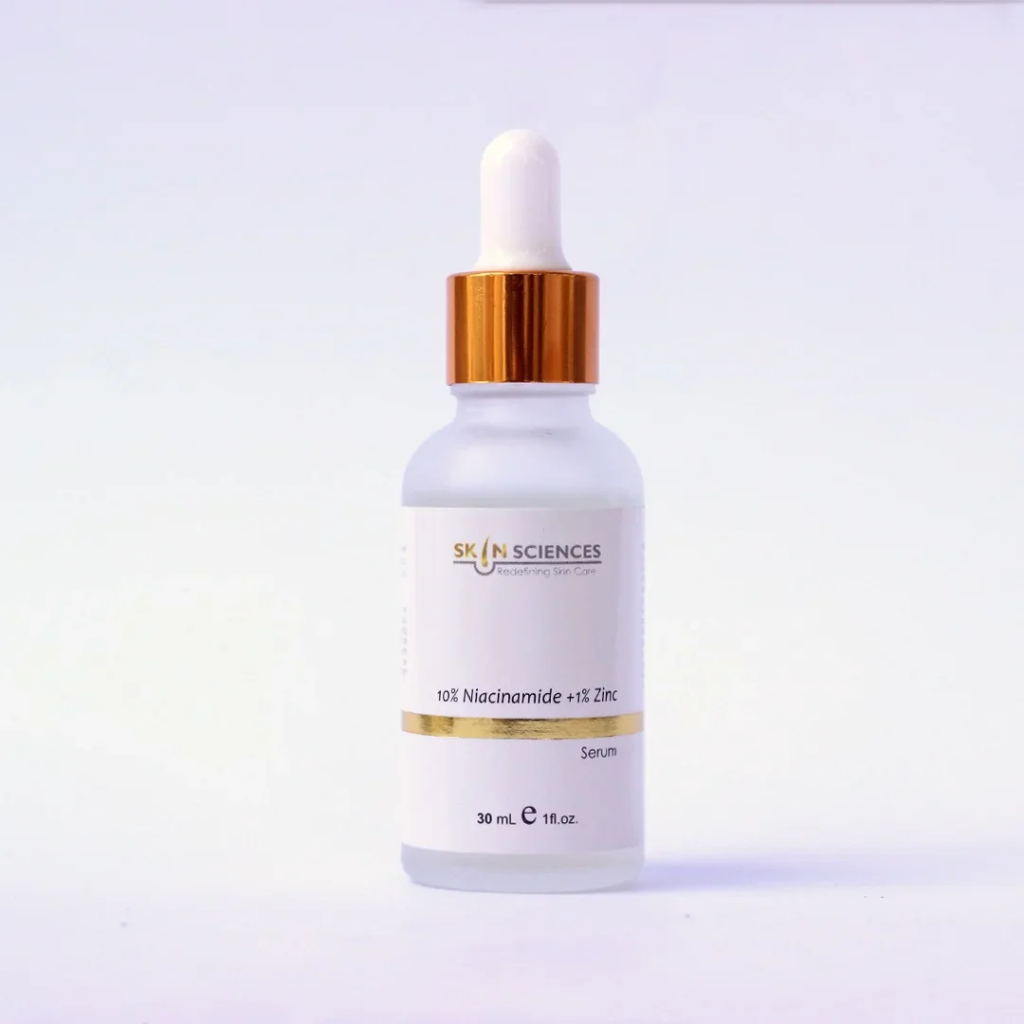
Niacinamide has become one of the most trusted skincare ingredients because of its versatility and compatibility with many skin types. From reducing the appearance of enlarged pores to supporting the skin barrier and improving uneven tone, it offers multiple benefits. However, not every formula is suitable for every person. A product with a high concentration or an improper routine may leave your skin feeling uncomfortable instead of healthy.
If you’ve recently experienced redness, dryness, stinging, or irritation after introducing a new skincare product, it may be time to evaluate your routine. At Skin Sciences, we believe that effective skincare is about choosing products that suit your skin’s needs rather than simply following trends. This guide explains how to identify whether your skincare routine is too intense, how to protect your skin barrier, and how to build a balanced routine for long-term results.
Why Niacinamide Is Popular in Modern Skincare
Best Niacinamide in Pakistan, also known as Vitamin B3, is a water-soluble vitamin widely used in dermatologist-inspired skincare products. It supports several important skin functions without being overly harsh when used correctly.
Its key benefits include:
- Supporting the skin barrier
- Improving moisture balance
- Minimizing the appearance of enlarged pores
- Helping control excess oil
- Reducing the appearance of post-acne marks
- Improving overall skin texture
- Promoting a brighter-looking complexion
Unlike some stronger active ingredients, it is generally well tolerated by most skin types when introduced gradually.
Can a Higher Concentration Cause Problems?
A stronger formula does not always deliver better results.
Many people assume that products with higher percentages will work faster, but skincare is not always that simple. Every person’s skin has a different level of tolerance, and using highly concentrated active ingredients too frequently may overwhelm the skin barrier.
For beginners or those with sensitive skin, a moderate concentration is often enough to achieve visible improvements over time.
Consistency matters far more than using the strongest product available.
Signs Your Skin May Be Overwhelmed
Your skin often gives clear signals when a product is not working well with your routine.
Watch for symptoms such as:
- Persistent redness
- Burning or stinging sensation
- Tightness after application
- Increased dryness
- Flaky skin
- Unexpected sensitivity
- Itching
- Irritation around the nose or mouth
Occasional mild tingling may occur when introducing new products, but ongoing discomfort should not be ignored.
Understanding the Skin Barrier
Your skin barrier is the outermost protective layer that helps retain moisture while shielding the skin from pollution, bacteria, and environmental stress.
When this barrier becomes weakened, you may notice:
- Increased water loss
- Greater sensitivity
- Rough texture
- Dry patches
- Increased redness
- Reduced comfort
Maintaining a healthy skin barrier should always be a priority before introducing multiple active ingredients.
Ingredients That Help Calm the Skin
If your routine feels too aggressive, supportive ingredients can help restore balance.
Look for products containing:
Ceramides
Ceramides help rebuild the protective barrier while reducing moisture loss.
Hyaluronic Acid
A powerful humectant that attracts water into the skin, improving hydration without feeling heavy.
Panthenol (Vitamin B5)
Known for its soothing properties, panthenol helps improve skin comfort while supporting repair.
Glycerin
This ingredient draws moisture into the skin and complements hydration-focused routines.
Squalane
Squalane provides lightweight nourishment while helping prevent dryness.
These ingredients work well together to improve hydration and strengthen the epidermis.
The Importance of Patch Testing
Before introducing any new skincare product, perform a patch test.
Apply a small amount behind the ear or along the jawline and monitor the area for 24 to 48 hours.
Patch testing can help identify sensitivity before applying a product to the entire face.
This simple step is often overlooked but can prevent unnecessary irritation.
Choosing the Right Concentration
Different skin types have different needs.
Sensitive Skin
Choose gentle formulations with barrier-supporting ingredients and introduce them slowly.
Oily Skin
Lightweight, non-comedogenic formulas are often suitable while helping regulate excess sebum.
Dry Skin
Pair active skincare with rich moisturizers containing ceramides and glycerin.
Combination Skin
Focus on maintaining hydration while avoiding overly complicated routines.
Instead of selecting products based only on percentage, consider the overall formulation and supporting ingredients.
How to Build a Balanced Routine
A consistent routine is usually more effective than using many products at once.
Morning Routine
- pH-balanced cleanser
- Lightweight treatment
- Moisturizer
- Broad-spectrum sunscreen SPF 50
Daily sunscreen helps protect the skin barrier from ultraviolet damage and reduces environmental stress.
Evening Routine
- Gentle cleanser
- Treatment serum
- Hydrating moisturizer
Nighttime is an excellent opportunity for skin recovery because moisture loss naturally increases while sleeping.
Ingredients That Pair Well
Several ingredients complement Vitamin B3 while supporting healthier skin.
These include:
- Ceramides
- Hyaluronic Acid
- Peptides
- Panthenol
- Glycerin
- Zinc PCA
- Aloe Vera
- Green Tea Extract
- Chamomile Extract
- Allantoin
- Colloidal Oatmeal
Together, these ingredients improve hydration, calm irritation, and reinforce the skin barrier.
Ingredients That Need Careful Layering
Some active ingredients require thoughtful use.
Examples include:
- Retinol
- Glycolic Acid
- Salicylic Acid
- Lactic Acid
- Benzoyl Peroxide
These ingredients are not necessarily incompatible, but combining multiple powerful activities in the same routine may increase irritation, especially for beginners.
If using several active products, introduce them gradually rather than all at once.
Common Mistakes That Can Increase Irritation
Many skincare concerns are caused by routine mistakes rather than the product itself.
Using Too Many Active Ingredients
Layering several exfoliants and treatments can overload the skin.
Skipping Moisturizer
Moisturizer helps reduce transepidermal water loss (TEWL) and keeps the skin barrier functioning properly.
Washing With Hot Water
Hot water removes natural oils and increases dryness.
Use lukewarm water instead.
Applying Too Frequently
Using treatment products more often than recommended does not always improve results.
Consistency is better than overuse.
Ignoring Skin Signals
If your skin becomes persistently irritated, simplify your routine rather than adding more products.
Skincare Tips for Pakistan’s Climate
Pakistan’s weather changes significantly throughout the year.
To keep skin healthy:
- Drink enough water daily.
- Wear sunscreen every morning.
- Use lightweight skincare during humid months.
- Switch to richer moisturizers in winter.
- Avoid excessive sun exposure.
- Cleanse gently after sweating.
- Protect the skin from pollution and dust.
Seasonal adjustments help maintain healthy skin all year.
Why Skin Sciences Focuses on Skin Balance
At Skin Sciences, every skincare routine begins with understanding individual skin needs rather than following temporary trends.
Quality formulations should support hydration, barrier repair, and long-term skin health instead of relying solely on high ingredient percentages.
By combining carefully selected ingredients with consistent daily habits, users can build routines that remain effective and comfortable over time.
Whether your goal is improving skin texture, supporting moisture balance, or maintaining healthier-looking skin, choosing well-formulated products is often more valuable than choosing stronger ones.
Summary
Healthy skin is not achieved by using the strongest products available but by maintaining a balanced routine that respects your skin barrier. Paying attention to signs such as redness, dryness, or irritation can help you determine whether your skincare routine needs adjustment.
Hydrating ingredients like Hyaluronic Acid, Ceramides, Glycerin, Panthenol, Peptides, Squalane, and soothing botanical extracts can improve comfort while supporting long-term skin health. Introducing active ingredients gradually, patch testing new products, and using sunscreen every day are simple habits that make a noticeable difference.
At Skin Sciences, we believe skincare should be effective, gentle, and backed by sound scientific principles. By selecting well-formulated products that match your skin type and maintaining a consistent routine, you can enjoy healthier, smoother, and more resilient skin without unnecessary irritation.
Frequently Asked Questions
Can beginners use niacinamide?
Yes. Beginners usually benefit from gentle formulations introduced gradually alongside a moisturizer.
Should I stop using a product if my skin becomes red?
Persistent redness, burning, or discomfort may indicate irritation. Reducing frequency or simplifying your routine may help. If symptoms continue, consult a qualified dermatologist.
Can it be used every day?
Many people use it daily without issues, provided their skin tolerates the formula well and the routine includes hydration and sun protection.
Is sunscreen necessary?
Yes. Broad-spectrum sunscreen protects the skin barrier and helps maintain the results of your skincare routine.