
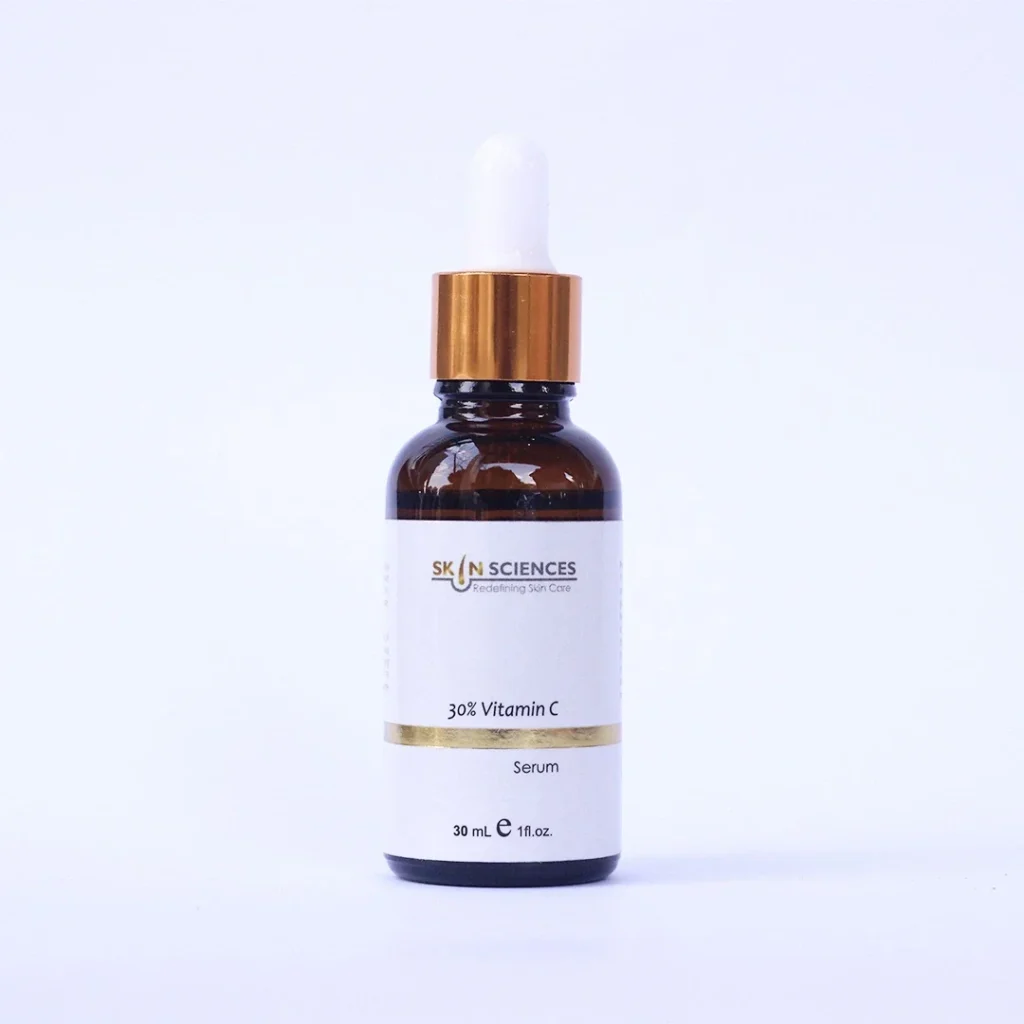
Choosing the right skincare routine often becomes more confusing as the seasons change. During Pakistan’s hot summers, skin is exposed to intense sunlight, sweat, and pollution. In winter, cooler temperatures and dry air can leave the skin feeling tight, flaky, and dull. Because of these seasonal differences, many people wonder whether they should continue using the same serum throughout the year or adjust their routine.
If you’ve ever asked, Does Best Vitamin C Serum in pakistan Work Better in Summer or Winter?, the good news is that this powerful antioxidant can be beneficial during every season. The key is knowing how to use it correctly and pairing it with the right supporting products. At Skin Sciences, we believe skincare should adapt to your skin’s changing needs while remaining simple, effective, and backed by reliable skincare science.
This guide explains how seasonal weather affects your complexion, why antioxidant protection matters year-round, and how to get the best results from your skincare routine.
Why Seasonal Changes Affect Your Skin
Your skin constantly responds to changes in temperature, humidity, sunlight, and environmental conditions. These factors influence hydration, oil production, and the overall appearance of your complexion.
During Summer
Hot weather increases sweating and oil production. Prolonged exposure to UV rays, dust, and environmental pollution can contribute to oxidative stress, uneven skin tone, and premature signs of aging.
During Winter
Cold temperatures and lower humidity reduce the skin’s natural moisture levels. This often leads to dryness, rough texture, and a weakened skin barrier, making hydration an essential part of daily skincare.
Although each season creates different challenges, antioxidant support remains valuable throughout the year.
Understanding How Vitamin C Supports Healthy Skin
Vitamin C is one of the most widely researched skincare ingredients because of its multiple benefits for overall skin health.
It helps support:
- Brighter-looking skin
- Antioxidant protection
- Healthy collagen production
- Improved skin radiance
- More even-looking skin tone
- Protection against environmental stress
Rather than acting as a replacement for sunscreen, it works alongside sun protection to help defend the skin against everyday external damage.
Why Antioxidants Matter Every Day
Throughout the day, your skin encounters pollution, sunlight, and other environmental aggressors that generate free radicals. These unstable molecules may contribute to visible skin damage over time.
Antioxidants help neutralize these free radicals, supporting healthier-looking skin and reducing the effects of daily environmental exposure.
This protective role makes antioxidant skincare valuable regardless of the season.
Summer Benefits of Antioxidant Serums
Extra Defense Against Sun Exposure
Although sunscreen remains your first line of defense, antioxidant ingredients provide an additional layer of support by helping reduce the impact of environmental stress.
Daily use alongside SPF creates a more complete daytime skincare routine.
Helps Maintain a Brighter Complexion
Frequent sun exposure can contribute to hyperpigmentation, dark spots, and uneven skin tone.
Consistent use of antioxidant-rich skincare supports a brighter, healthier appearance over time.
Supports Skin Exposed to Pollution
Urban environments expose skin to dust and airborne pollutants that can affect overall skin quality.
Adding antioxidant protection to your routine helps support healthier skin throughout the day.
Winter Benefits of Antioxidant Skincare
Supports Healthy Collagen
During colder months, skin often appears dull because of dryness and slower surface renewal.
Ingredients that encourage collagen synthesis help maintain firmer, healthier-looking skin over time.
Improves Overall Radiance
Hydrated skin naturally reflects light more evenly.
Combining antioxidant ingredients with nourishing moisturizers helps restore a healthy glow during winter.
Complements Barrier Care
Cold weather can weaken the skin’s natural protective layer.
Pairing your serum with products containing ceramides, hyaluronic acid, and squalane helps improve moisture retention and comfort.
Choosing the Right Formula
Not every serum contains the same form of Vitamin C.
Some commonly used ingredients include:
L-Ascorbic Acid
One of the most effective forms for improving brightness and antioxidant protection.
Sodium Ascorbyl Phosphate
A gentler derivative suitable for many people with sensitive or acne-prone skin.
Ferulic Acid
Often combined with Vitamin C because it helps improve stability and enhances antioxidant performance.
Vitamin E
Works alongside antioxidants to provide additional nourishment and support the skin barrier.
Ingredients That Work Well Together
A balanced skincare routine often combines complementary ingredients.
Hyaluronic Acid
Improves hydration by attracting water into the skin, leaving it softer and smoother.
Niacinamide
Supports the skin barrier while helping improve uneven tone and reducing visible redness.
Ceramides
Help strengthen the protective barrier and reduce moisture loss.
Glycerin
Draws moisture into the skin, improving hydration throughout the day.
Panthenol
Provides soothing hydration while supporting overall skin comfort.
These ingredients work together to create a routine suitable for different climates and skin types.
A Simple Morning Routine
Consistency produces better long-term results than using numerous products.
1: Gentle Cleanser
Remove overnight oil and impurities without stripping natural moisture.
2: Antioxidant Serum
Apply a few drops to clean, dry skin before moisturizing.
3: Moisturizer
Choose a formula appropriate for your skin type and seasonal needs.
4: Sunscreen
Always finish with broad-spectrum SPF before going outdoors.
Daily sun protection remains essential regardless of weather conditions.
Common Mistakes to Avoid
Even high-quality skincare products may deliver disappointing results if used incorrectly.
Avoid these mistakes:
- Skipping sunscreen
- Applying too much product
- Storing serums in direct sunlight
- Mixing too many active ingredients at once
- Using expired skincare
- Inconsistent application
- Ignoring hydration
Simple routines followed consistently usually produce the best outcomes.
Lifestyle Habits That Support Healthy Skin
Skincare products perform best when combined with healthy daily habits.
Support your complexion by:
- Drinking adequate water
- Eating fruits and vegetables rich in antioxidants
- Sleeping seven to eight hours each night
- Managing stress
- Wearing protective clothing during strong sunlight
- Avoiding smoking
- Following a balanced diet
Healthy skin begins with both internal wellness and external care.
Choosing Products for Different Skin Types
Dry Skin
Look for hydrating formulations containing hyaluronic acid, ceramides, and squalane.
Oily Skin
Lightweight, non-comedogenic formulas help provide antioxidant protection without feeling heavy.
Combination Skin
Balanced formulations hydrate dry areas while remaining comfortable on oilier zones.
Sensitive Skin
Gentle formulas containing soothing ingredients such as panthenol and niacinamide are often suitable for delicate skin.
Why Choose Skin Sciences?
At Skin Sciences, every skincare product is developed with a focus on scientifically supported ingredients, long-term skin health, and practical daily use. Instead of relying on temporary cosmetic improvements, our approach emphasizes hydration, antioxidant protection, and maintaining a healthy skin barrier.
By combining carefully selected ingredients with consistent skincare habits, Skin Sciences helps consumers build routines that support brighter, smoother, and healthier-looking skin throughout every season.
Summary
Seasonal weather influences hydration, oil production, and the overall appearance of your skin, but antioxidant care remains beneficial throughout the year. During summer, it helps defend against UV rays, pollution, and free radicals. In winter, it complements moisturizers by supporting collagen production, improving radiance, and helping maintain a stronger skin barrier.
For the best results, combine antioxidant skincare with ingredients such as hyaluronic acid, niacinamide, ceramides, ferulic acid, vitamin E, glycerin, and panthenol, while using sunscreen every morning. At Skin Sciences, we encourage a balanced, science-backed approach that focuses on long-term skin health rather than quick fixes. With consistency and the right routine, you can enjoy healthier, brighter, and more resilient skin in every season.
Frequently Asked Questions
Should antioxidant serums only be used during summer?
No. They provide year-round protection against environmental stress and help maintain healthier-looking skin in every season.
Can I use this type of serum every morning?
Yes. Morning application followed by sunscreen is commonly recommended for daily antioxidant support.
Is sunscreen still necessary?
Absolutely. Antioxidant skincare complements sunscreen but does not replace it.
Can dry skin benefit from antioxidant skincare?
Yes. When paired with hydrating ingredients, antioxidant products support healthier, more radiant skin.
How long before visible improvements appear?
Most people notice gradual improvements after several weeks of consistent use alongside a complete skincare routine.