
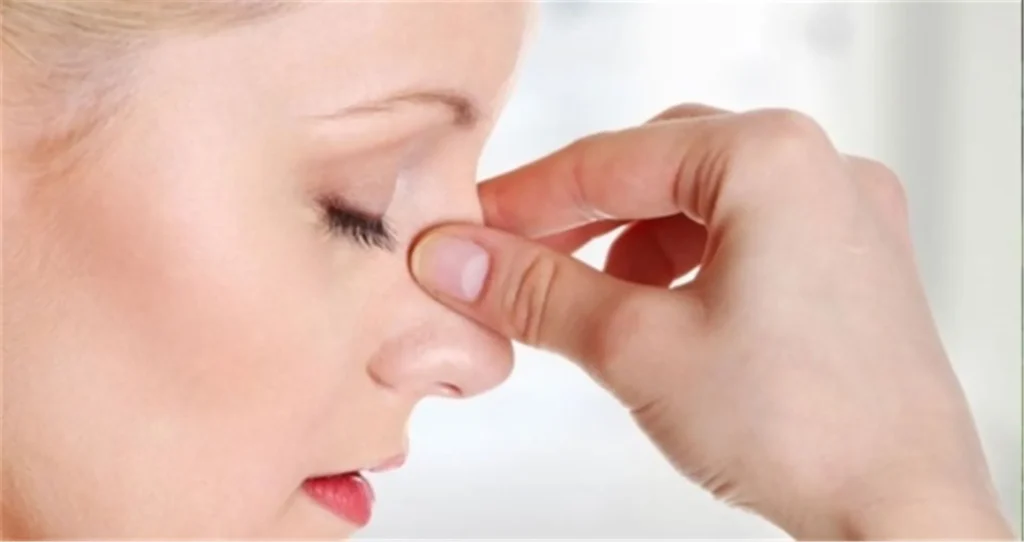
A blocked nose can make normal breathing feel difficult and uncomfortable. It may affect sleep, exercise, speech and daily activities. The problem can happen for a short time due to a cold or allergy, or it may continue because of structural issues inside the nose.
The effect depends on the underlying cause. Identifying that cause helps determine the right treatment and prevents repeated breathing problems.
How a Blocked Nose Affects Breathing
When the nasal passages become swollen or narrowed, less air can move through the nose. You may start breathing through your mouth especially during sleep or physical activity.
Mouth breathing can cause a dry mouth, sore throat and uncomfortable sleep. Some people may also notice reduced airflow more on one side of the nose.
Common Causes
Several conditions can restrict normal nasal airflow. Common causes include:
- Colds and viral infections: Swelling and mucus can temporarily narrow the nasal passages.
- Allergies: Exposure to pollen, dust or other allergens can cause nasal swelling and congestion.
- Deviated septum: A crooked nasal septum can reduce airflow through one or both sides.
- Nasal polyps: These soft tissue growths can block the nasal passages when they become larger.
- Enlarged turbinates: Swollen turbinates can leave less space for air to pass through.
- Sinus problems: Inflammation inside the sinuses can contribute to congestion and pressure.
Key Points to Know:The right diagnosis matters because treatment for an allergy-related problem may differ from treatment for a structural blockage.
Impact on Sleep
Nasal blockage can become more noticeable when lying down. Some people begin breathing through their mouth at night or wake up because they cannot breathe comfortably through the nose.
Persistent nasal obstruction may also contribute to snoring. If sleep becomes regularly disturbed it is worth discussing the problem with a qualified doctor.
Blocked Nose During Exercise
During exercise the body needs more air. A restricted nasal passage can make breathing feel harder, particularly during running or other demanding activities.
People may compensate by breathing more through the mouth. This can cause dryness and discomfort and may make exercise feel less comfortable.
Blocked Nose After an Injury
A nasal injury can change the internal or external structure of the nose. Swelling may cause temporary congestion while a significant injury can sometimes affect the nasal septum or other structures.
If breathing remains difficult after the swelling should have improved a medical examination can help identify whether a structural problem is present.
When Nasal Blockage Needs Medical Attention
Occasional congestion usually improves when the underlying cause settles. However, ongoing blockage should not be ignored.
See a doctor if you experience:
- Difficulty breathing through the nose for an extended period
- Repeated nasal congestion without an obvious cause
- Frequent nosebleeds
- Facial pain or pressure
- Reduced sense of smell
- Persistent snoring or disturbed sleep
- Symptoms that keep returning
Key Points to Know:A doctor can examine the nasal passages and determine whether medication, allergy management or another treatment is appropriate.
Treatment Options
Treatment depends on what is causing the obstruction. Allergy-related congestion may improve with appropriate allergy treatment. Infections may require supportive care or specific medication when medically indicated.
Structural problems may need a different approach. A deviated septum, enlarged turbinates or other anatomical issues can sometimes require a procedure when they significantly affect breathing.
Patients should avoid using nasal decongestant sprays for longer than recommended as prolonged use can sometimes cause rebound congestion.
Blocked Nose and Nasal Structure
The shape and internal structure of the nose play an important role in airflow. The nasal septum separates the two passages while the turbinates help warm and humidify incoming air.
If these structures become significantly narrowed or displaced, airflow can decrease. A detailed nasal examination can help determine whether the problem is related to anatomy rather than temporary inflammation.
Rhinoplasty in Nasal Breathing
Some patients have both cosmetic concerns and breathing difficulties. In selected cases a surgical procedure can address changes in the nasal structure while also improving appearance.
People considering Best Rhinoplasty Surgery in Lahore should discuss both their appearance and breathing concerns during consultation. The surgeon can determine whether Rhinoplasty is appropriate or whether another treatment would better address the obstruction.
Simple Ways to Relieve a Blocked Nose
Simple measures may provide temporary relief when congestion is caused by a minor cold or irritation. Staying hydrated, using saline nasal rinses correctly and avoiding known irritants may help keep the nasal passages more comfortable.
Smoke, strong fragrances, dust and other personal triggers can worsen nasal irritation. Identifying and reducing exposure to these triggers may help prevent recurring symptoms.
Why Proper Diagnosis Matters
A blocked nose is a symptom rather than a single condition. Treating the symptom without identifying its cause may provide only temporary relief.
A proper assessment can identify inflammation, allergy, infection or structural narrowing. At Institute Cosmetique patients can discuss persistent nasal breathing concerns with specialists and receive guidance based on their individual condition.
Sum up
A blocked nose can affect more than comfortable breathing. It may interfere with sleep, exercise, speech and everyday activities. Temporary congestion often improves when its cause settles but persistent or recurring blockage needs proper evaluation.
Finding the underlying cause is the first step toward choosing an effective treatment and improving long-term nasal airflow.
Frequently Asked Questions
1. What causes a blocked nose?
Colds, allergies, sinus problems and structural issues like a deviated septum can cause nasal blockage.
2. How can I relieve a blocked nose?
Saline rinses, good hydration and avoiding irritants may help provide temporary relief.
3. Can allergies cause it?
Yes. allergies can cause swelling and excess mucus inside the nasal passages.
4. When should I see a doctor?
See a doctor if blockage is persistent, keeps returning or affects your sleep or breathing.
5. Can a deviated septum cause nasal blockage?
Yes. A deviated septum can narrow the nasal passage and make breathing difficult.