
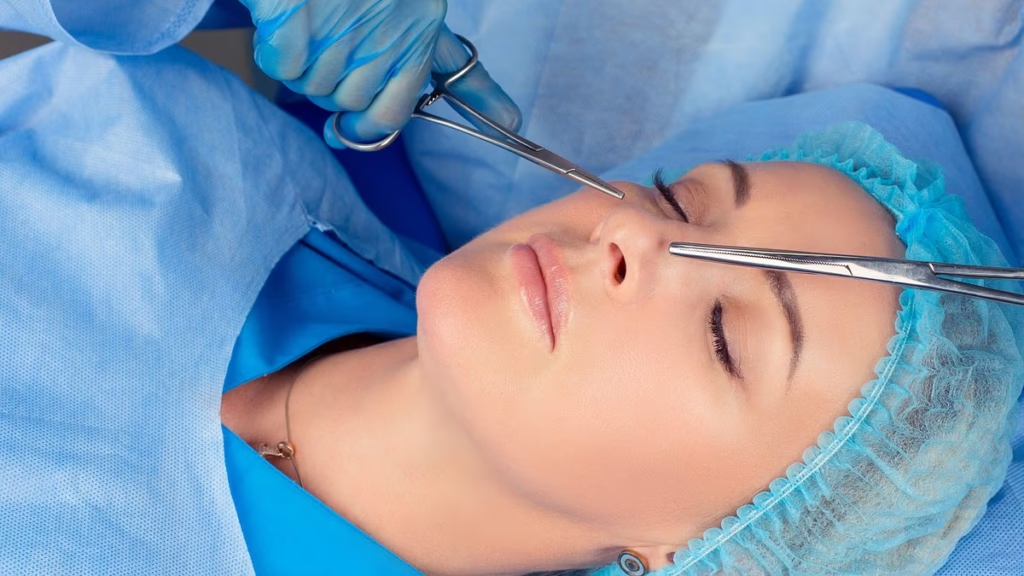
Every nose has a different structure and every patient has different goals. Surgeons select a technique based on nasal anatomy, the type of correction needed, previous surgery and whether breathing problems are present.
The right approach helps the surgeon make precise changes while maintaining proper nasal support and a natural appearance.
Nasal Structure and Surgical Planning
Bone and Cartilage Structure
The nasal bones and cartilage determine the basic shape and strength of the nose. Their size, position and condition help the surgeon decide how much modification is appropriate.
Skin Thickness
Skin thickness can affect how clearly changes appear after surgery. Thicker skin may require a different strategy for achieving definition especially around the nasal tip.
Nasal Changes and Technique Selection
Bridge and Profile Changes
A nasal hump, uneven bridge or profile concern may require specific structural adjustments. The technique depends on the size and location of the change.
Tip and Nostril Refinement
Tip shape, nostril width and asymmetry may require more focused work. Surgeons choose an approach that provides suitable access while protecting nasal support.
Open Approach For Detailed Nasal Changes
Direct View of Nasal Structures
An open approach creates additional access to the nasal framework. This can help when detailed structural changes or precise cartilage work are required.
Useful for Complex Corrections
Open surgery may be considered when significant reshaping is needed or when the nasal structure is difficult to access through internal incisions alone.
Closed Rhinoplasty Uses Internal Incisions
Limited External Access
With a closed approach, incisions are made inside the nose. This avoids an external columellar incision and may be suitable for selected cases.
Suitable for Certain Changes
Some patients need less extensive structural modification. In these situations a closed technique may provide adequate access for the planned correction.
Previous Surgery Can Change the Technique
Altered Nasal Structure
Previous nasal surgery can change cartilage, scar tissue, and internal support. These factors may make surgical planning more complex.
Revision Requires Careful Assessment
When additional correction is needed the surgeon must first evaluate the remaining nasal structure. The available cartilage and previous changes can influence the chosen technique.
Breathing Problems May Affect Surgical Planning
Internal Nasal Support
A patient may have cosmetic concerns along with nasal obstruction. Internal structures such as the septum and nasal valves may need assessment before surgery.
Combining Cosmetic and Functional Goals
In some cases Rhinoplasty can be planned alongside functional corrections. The approach depends on the cause of the breathing problem and the required structural changes.
Surgical Goals Shape the Final Plan
Natural Facial Proportion
The goal is not simply to make the nose smaller. Changes should suit the patient’s facial proportions and maintain appropriate structural support.
Individual Treatment Planning
Two patients with similar concerns may still require different techniques. Anatomy, skin characteristics, previous procedures and desired changes all influence the plan.
Technique Selection at the Consultation Stage
Detailed Nasal Examination
A surgeon may assess the nasal bones, cartilage, skin, septum, airflow and overall facial balance. Photographs can also help with treatment planning.
Discussing Expected Changes
Patients should clearly explain which features they want to improve. This helps the surgeon select an approach that matches realistic goals.
For patients considering Nose Reshaping surgery in Lahore a proper consultation is important for choosing the appropriate surgical technique.
At Institute Cosmetique treatment planning can be based on the patient’s nasal structure, concerns and desired outcome.
Recovery Based on Surgical Technique
Swelling and Healing
Recovery can vary depending on the technique and amount of structural work performed. Swelling is common during the early healing period.
Gradual Changes
The nose continues to settle as swelling decreases. Final refinement may take several months particularly after more extensive structural correction.
Tailoring the Technique to Each Patient
There is no single technique that suits every patient. Rhinoplasty planning depends on nasal anatomy the required correction, previous procedures, breathing concerns and personal goals.
A carefully selected approach can help achieve balanced results while preserving nasal function and structural support.
Frequently Asked Questions
Can the same technique be used for everyone?
No. The approach is selected according to the patient’s anatomy, concerns and required changes.
Is open surgery better than closed surgery?
Neither is automatically better. Each approach has different benefits and is selected according to the patient’s needs.
Can breathing problems affect the surgical technique?
Yes. Internal nasal problems may require additional structural correction during surgery.
Does previous nose surgery change the treatment plan?
Yes. Previous surgery can affect cartilage, scar tissue and nasal support making assessment especially important.
When will the final result become visible?
Early swelling usually decreases gradually. The final shape can continue refining for several months.
Sum up
Choosing the right technique is an important part of successful Rhinoplasty planning. The surgeon considers nasal structure, correction requirements, breathing, previous surgery and facial proportions before deciding on the approach.