
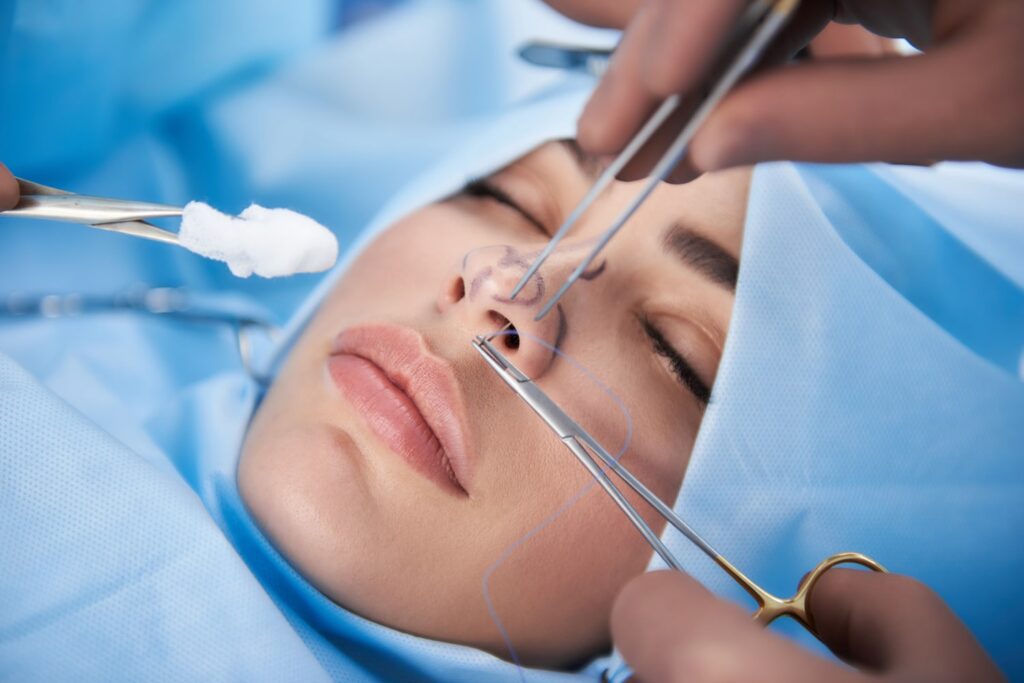
A nose injury can change the position of the nasal bones, cartilage or septum. Some injuries cause only temporary swelling, while more serious trauma can leave the nose visibly crooked or affect normal breathing.
Treatment depends on the extent of the damage and whether the problem is mainly cosmetic, functional or both. A proper nasal examination helps determine the most suitable approach.
Common Signs
Pain, swelling, bruising, tenderness and bleeding can occur after a nose injury. The nose may also appear different or feel blocked on one side. Severe bleeding, major deformity or breathing difficulty should be checked by a doctor.
How a Nose Injury Can Affect Breathing
Trauma can move the nasal septum away from its normal position or narrow one of the nasal passages. Damage to the nasal bones and cartilage can also change the internal shape of the nose.
This may result in reduced airflow, persistent congestion, mouth breathing or sleep-related breathing problems. Treating the underlying structural problem may improve airflow in suitable cases.
When Surgery May Be Needed
Not every broken nose needs surgery. Minor injuries may heal with proper care, while surgery may be needed if the bones remain displaced, the nose heals unevenly, or breathing problems continue.
Assessment Before Treatment
A detailed examination helps identify which parts of the nose have been affected. The doctor may assess the nasal bones, septum, cartilage, nostrils and internal airway.
The nose is examined from different angles to evaluate its alignment and appearance. Breathing concerns and any previous nasal injuries or procedures should also be discussed.
In some cases additional nasal evaluation or imaging may be required especially when the injury is complex.
Procedure
The surgical approach depends on the type and severity of the injury. The surgeon may reposition nasal bones, correct cartilage or straighten a deviated septum when necessary.
If the injury has caused both structural and cosmetic changes, several areas may be addressed during the same procedure. The aim is to restore stable support while improving the overall shape and airflow.The exact technique cannot be selected without assessing the patient’s nasal structure.
Nose Reshaping After Injury
A healed nasal injury can sometimes leave the nose uneven, crooked or wider than before. Treatment may help restore a more balanced appearance by correcting displaced structures.
The goal is not to create an identical or perfectly symmetrical nose. Instead the surgeon works with the patient’s existing facial proportions to achieve a natural-looking result.
Broken Nose Surgery can be considered when structural changes remain after the healing process and significantly affect appearance or function.
Recovery
Swelling, bruising and nasal congestion are common after surgery and usually improve gradually. Avoid pressure, accidental impact and strenuous exercise until your surgeon gives clearance. Final swelling may take several months to settle.
Surgery Risks and Side Effects
Like other surgical procedures, treatment carries certain risks. These may include bleeding, infection, persistent swelling, changes in sensation, scarring or continued nasal obstruction.
Some patients may also have residual asymmetry after healing. Following postoperative instructions and attending follow-up appointments can help support a safe recovery.Patients should discuss their individual risks with their surgeon before treatment.
Can Surgery Improve Breathing?
Structural problems such as septal deviation, displaced bones or damaged cartilage can affect nasal airflow. Allergies, inflammation and enlarged turbinates may also cause breathing problems so the underlying cause should be assessed before surgery.
Choosing a Specialist
Choosing a qualified surgeon is important after significant nasal trauma. Experience with nasal structure, breathing problems and reconstructive techniques can help with appropriate treatment planning.
For patients considering Broken Nose Surgery in Lahore a detailed consultation should be completed before deciding on a procedure. At Institute Cosmetique patients can discuss their nasal concerns and receive an assessment based on their individual condition.
Final Results
The final result develops gradually as swelling decreases and the nasal tissues settle. Early changes should not be considered the final outcome.
Results depend on the original injury, the extent of structural damage, surgical technique, skin thickness and individual healing. Proper follow-up helps the surgeon monitor the healing process and address any concerns.
Key Points to Know:The main goals are to restore nasal stability, improve breathing where possible and create a balanced appearance.
Sum up
A broken nose can affect both appearance and nasal function. Mild injuries may heal without surgery while displaced bones, persistent obstruction or lasting deformity may require structural correction. Rhinoplasty Surgery may be considered when reshaping or reconstructing the nose is needed.
Broken Nose Surgery is planned according to the patient’s specific injury rather than using the same technique for every case. A thorough assessment helps determine whether surgery is necessary and what results can realistically be achieved.