
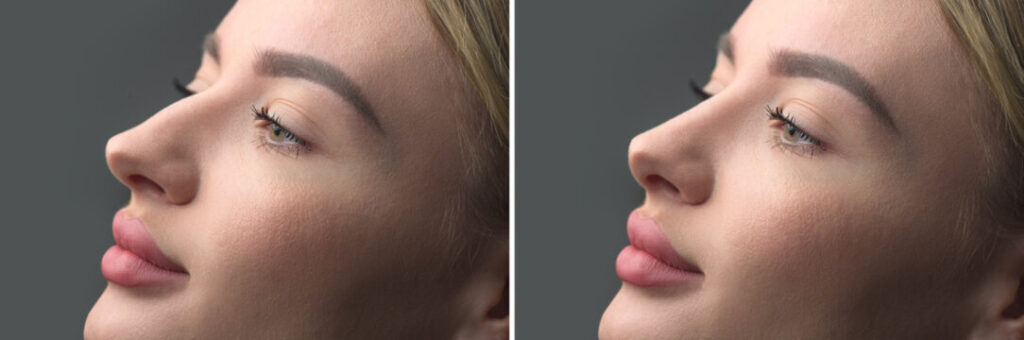
A crooked nose surgery can affect both appearance and nasal airflow. The condition may develop because of the natural shape of the nasal bones and cartilage, an old injury or changes that occurred during previous surgery. Treatment depends on the structures causing the uneven appearance.
Common Causes
A crooked nose may result from nasal trauma, a deviated septum, uneven cartilage or natural facial asymmetry. An injury can shift the nasal bones or cartilage from their normal position.Some people have a crooked appearance from an early age without any known injury. In other cases the nose may become more noticeable over time as facial structures change.
How a Crooked Nose Can Affect Breathing
An uneven nasal structure can narrow one side of the nasal passage. This may make breathing through the nose more difficult particularly during exercise or sleep.Some patients may experience nasal congestion, mouth breathing, snoring or reduced airflow. When breathing problems are present, the internal nasal structure should be assessed along with the external appearance.
Nasal Structure and Shape
The nasal bones mainly form the upper part of the nose while cartilage supports the middle and lower sections. The septum separates the two nasal passages and can also contribute to nasal alignment.A surgeon examines these structures to determine where the deviation occurs. This helps in planning correction without unnecessarily removing important supporting tissue.
Suitable Candidates For Surgery
Adults with a stable nasal structure and realistic expectations may be suitable for treatment. Surgery may be considered when the crooked appearance is persistent or when structural changes are affecting nasal breathing.Patients should discuss previous injuries, nasal surgery, breathing problems, allergies and other relevant medical concerns during consultation.
Surgery Procedure
The procedure is planned according to the specific cause of the deviation. The surgeon may need to reshape or reposition the nasal bones, adjust cartilage or correct the nasal septum.
In some cases several structures need to be treated together to achieve better alignment. The aim is to create a stable nasal framework while improving the external shape.The surgical approach can vary depending on the amount and location of the deviation. A detailed examination is therefore important before selecting the technique.
Rhinoplasty can also be used to correct a crooked nose by reshaping the nasal bones, cartilage or septum to improve both appearance and nasal function.
Preparing For Surgery
Before surgery the doctor reviews your medical history and examines the nose from different angles. Any breathing concerns should be discussed during this consultation.
Patients may also be advised to review their current medications and avoid certain medicines or supplements before surgery if recommended by their doctor.
Having realistic expectations is important. The goal is to improve alignment and facial balance rather than create a completely identical or perfectly symmetrical nose.
Recovery
Swelling and bruising are common during the early recovery period. Nasal breathing may also feel restricted temporarily because of swelling inside the nose.Patients should protect the nose from pressure and accidental injury during healing. Strenuous exercise and other activities may need to be avoided for a period recommended by the surgeon.As swelling decreases the shape gradually becomes clearer. Deeper tissues can continue healing for several months.
Side Effects and Surgical Risks
Like other surgical procedures, treatment carries some risks. These may include bleeding, infection, swelling, numbness, scarring or changes in nasal airflow.
There can also be some residual asymmetry because complete symmetry is not always possible. Discussing potential risks with the surgeon before treatment helps patients make an informed decision.
Expected Results
The result develops gradually as the nose heals. Early swelling can temporarily make the nose look uneven so the appearance should not be judged during the initial recovery stage.
The final result depends on the original nasal structure, the extent of correction, skin thickness, surgical technique and individual healing.
Cost of Surgery
The cost can vary based on the complexity of the procedure, surgeon’s experience, anesthesia, hospital or clinic facilities and whether septal correction is also required.A consultation is necessary to determine the exact treatment plan and provide a more accurate cost estimate.
For patients considering Crooked Nose Surgery in Lahore choosing a qualified surgeon is important. At Institute Cosmetique patients can undergo a detailed nasal assessment to discuss their concerns and available treatment options.
Final Results and Follow-Up
Follow-up appointments allow the surgeon to monitor healing and identify any concerns during recovery. Patients should follow all postoperative instructions and attend scheduled visits.The aim of treatment is to improve nose alignment, facial balance and nasal function where needed while maintaining adequate structural support.
Frequently Asked Questions
1. What causes a crooked nose?
Injuries, a deviated septum, uneven cartilage and natural nasal structure can cause a crooked nose.
2. Can surgery straighten a crooked nose?
Yes. surgery can reshape or reposition nasal bones, cartilage and the septum to improve alignment.
3. Can it affect breathing?
Yes. structural changes can narrow one nasal passage and make breathing more difficult.
4. How long is recovery after surgery?
Initial recovery usually takes a few weeks while swelling may continue to settle for several months.
5. Can a crooked nose become straight naturally?
A structurally crooked nose usually does not straighten on its own. Treatment depends on the underlying cause.