
Introduction
UV exposure is one of the key reasons for early wrinkles, dark patches, tanning, and uneven skin tone. In a country like Pakistan, where the UV index remains high for most of the year, protecting your skin is not optional it is essential.
Dermatologists strongly recommend using sunscreen daily, regardless of weather conditions or skin type. However, choosing the right product can be confusing due to the wide variety available in the market.
This guide explores dermatologist recommended sunblocks in Pakistan, helping you understand what makes a sunscreen effective and how to select the right one for your skin needs. Throughout this article, we will also highlight how to choose the QHC Sunblock in Pakistan based on skin type, ingredients, and lifestyle.
At QHC, skincare is built around protection, prevention, and long-term skin health, ensuring your skin stays healthy under harsh environmental conditions.
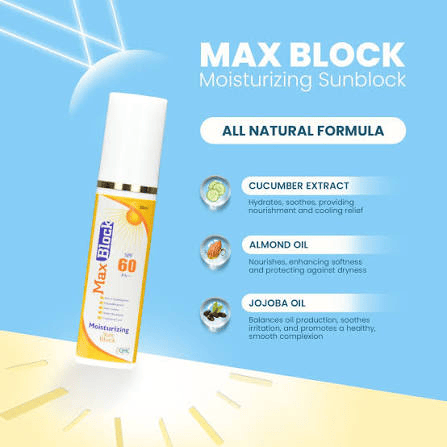
Why Sunscreen Is Essential in Pakistan
Pakistan’s climate exposes skin to multiple environmental stressors:
- Strong UV radiation
- High heat and humidity
- Air pollution and dust
- Seasonal dryness and tanning
These factors accelerate skin damage and lead to:
- Dark spots and pigmentation
- Uneven skin tone
- Premature wrinkles
- Sunburn and redness
- Loss of skin elasticity
Dermatologists emphasize that sunscreen is the most important step in any skincare routine because it prevents damage before it happens.
What Makes a Sunblock “Dermatologist Recommended”?
Dermatologist recommended sunblocks are formulated with skin safety and effectiveness in mind. They typically include:
1. Broad-Spectrum Protection
Offers broad protection against UVA (aging) and UVB (burning) radiation.
2. SPF 30 to SPF 50+
Provides adequate protection for daily exposure.
3. Non-Comedogenic Formula
Does not clog pores, making it suitable for acne-prone skin.
4. Skin-Friendly Ingredients
Often includes:
- Zinc oxide
- Titanium dioxide
- Niacinamide
- Hyaluronic acid
5. Lightweight Texture
Comfortable for daily use in hot climates like Pakistan.
How Sun Damage Affects Your Skin
Without proper sun protection, your skin undergoes gradual damage over time.
1. Hyperpigmentation
UV exposure triggers melanin production, leading to dark patches.
2. Premature Aging
Fine lines, wrinkles, and loss of elasticity appear earlier.
3. Tanning and Uneven Tone
Skin becomes darker and patchy due to inconsistent melanin activity.
4. Weak Skin Barrier
UV rays damage the outer protective layer, making skin sensitive.
Best Sunblock in Pakistan: What to Look For
Your skin type and lifestyle play an important role in choosing the right sunscreen. Dermatologists suggest the following guidelines:
For Oily Skin
- Gel-based or matte finish sunscreen
- Oil-free and lightweight formula
- Non-comedogenic ingredients
For Dry Skin
- Cream-based sunblock
- Hydrating ingredients like glycerin and hyaluronic acid
- SPF 30+ protection
For Sensitive Skin
- Fragrance-free formulation
- Mineral-based filters (zinc oxide or titanium dioxide)
- Gentle, soothing ingredients
For Acne-Prone Skin
- Lightweight, fast-absorbing texture
- No heavy oils or pore-clogging ingredients
- Anti-inflammatory properties
How to Apply Sunscreen Correctly
Even the best sunscreen will not work properly if not applied correctly.
Step-by-Step Guide:
- Apply sunscreen 15–20 minutes before sun exposure
- Use a generous amount (two-finger rule for face)
- Cover all exposed areas including neck and ears
- Reapply every 2–3 hours outdoors
- Use daily, even indoors if near windows
Consistency is key for long-term skin protection.
Common Sunscreen Mistakes to Avoid
Many people unknowingly reduce sunscreen effectiveness due to incorrect usage.
1. Using Too Little Product
A thin layer does not provide full protection.
2. Skipping Sunscreen on Cloudy Days
UV rays still penetrate clouds.
3. Not Reapplying
Sunscreen wears off after a few hours.
4. Mixing Sunscreen with Moisturizer
This can reduce SPF effectiveness.
Dermatologist Recommended Sunblock Features
Dermatologists suggest focusing on these qualities when selecting sunscreen:
- SPF 30–50 for daily use
- PA+++ or PA++++ for UVA protection
- Lightweight and breathable texture
- Suitable for humid climates
- Safe for long-term daily application
A well-formulated sunscreen protects skin without causing irritation or breakouts.
QHC Approach to Sun Protection
At QHC, skincare is designed with a preventive approach. Instead of treating damage after it occurs, the focus is on protecting skin from environmental harm.
QHC emphasizes:
- Gentle, non-irritating formulations
- Protection against UV-induced pigmentation
- Lightweight textures for daily comfort
- Support for skin barrier health
This philosophy ensures that your skin remains healthy, balanced, and protected even under harsh sun exposure.
Building a Complete Sun Protection Routine
Sunscreen alone is not enough. A complete routine enhances protection:
Morning Routine:
- Gentle cleanser
- Hydrating moisturizer
- Broad-spectrum sunscreen
Throughout the Day:
- Reapply sunscreen every few hours
- Wear sunglasses and hats when possible
- Avoid direct sun exposure during peak hours
Evening Routine:
- Cleanse skin thoroughly
- Repair with moisturizer
- Use soothing ingredients for recovery
Lifestyle Tips for Better Sun Protection
- Drink plenty of water daily
- Eat antioxidant-rich foods (fruits and vegetables)
- Avoid excessive sun exposure between 11 AM–4 PM
- Keep skin clean to reduce sun sensitivity
- Use protective clothing outdoors
These habits enhance sunscreen effectiveness and improve overall skin health.
Final Words
Sun protection is one of the most important steps in maintaining healthy, youthful, and glowing skin. In Pakistan’s harsh climate, daily sunscreen use is essential to prevent tanning, pigmentation, and premature aging.
Choosing a dermatologist recommended product ensures better safety and effectiveness. Whether your skin is oily, dry, sensitive, or acne-prone, selecting the right formula can make a significant difference.
The Best Sunblock in Pakistan is one that offers broad-spectrum protection, suits your skin type, and feels comfortable for daily use.
QHC believes in proactive skincare, focusing on protection first so your skin stays healthy, resilient, and naturally radiant for years to come.
FAQs
1. Do dermatologists really recommend daily sunscreen use?
Yes, dermatologists strongly recommend using sunscreen daily to protect against UV damage, pigmentation, and premature aging.
2. What SPF is best for daily use in Pakistan?
SPF 30 to SPF 50 is ideal for daily use in Pakistan’s high UV climate.
3. Can sunscreen prevent pigmentation?
Yes, regular sunscreen use helps prevent dark spots and reduces worsening of existing pigmentation.
4. How often should I reapply sunscreen?
Sunscreen should be reapplied every 2–3 hours when exposed to sunlight for continuous protection.