
Introduction
Acne is a common skin concern, but what often bothers people even more than pimples themselves are the marks they leave behind. These post-acne marks can appear as dark spots, red patches, or uneven skin tone that takes time to fade.
Many people expect quick results, but the reality is that skin healing is a gradual process influenced by skin type, lifestyle, sun exposure, and skincare routine. Understanding how long acne marks take to fade naturally helps you set realistic expectations and choose the right skincare approach.
In Pakistan’s climate where heat, humidity, and pollution are common post-acne pigmentation can take even longer to fade without proper care. That is why consistent skincare and the right products are essential.
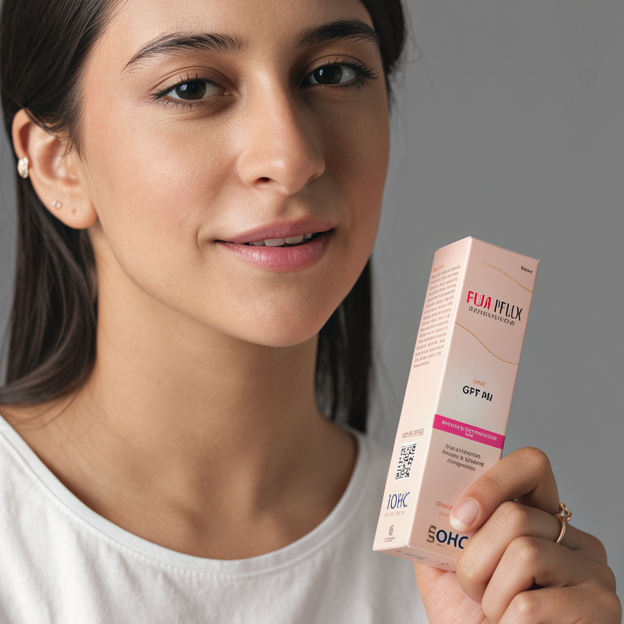
QHC Skin Whitening Cream focuses on supporting skin repair with gentle, effective formulations that help restore clarity and balance over time.
What Are Acne Marks?
Acne marks are not active acne. They are the leftover discoloration or texture changes after a pimple heals. There are two main types:
1. Post-Inflammatory Hyperpigmentation (PIH)
- Dark brown or black spots
- Common in medium to deeper skin tones
- Caused by excess melanin production
2. Post-Inflammatory Erythema (PIE)
- Red or pink marks
- Caused by damaged blood vessels
- More common in sensitive skin
Both types are harmless but can affect skin appearance and confidence.
How Long Do Acne Marks Take to Fade Naturally?
The fading time depends on skin type, depth of pigmentation, and lifestyle factors.
General Timeline:
- Mild marks: 2 to 4 weeks
- Moderate marks: 1 to 3 months
- Deep pigmentation: 3 to 6 months or longer
In some cases, without proper skincare, marks may take up to a year to fully fade.
Factors That Affect Healing Time:
- Sun exposure
- Skin type and genetics
- Picking or squeezing pimples
- Skincare routine quality
- Pollution and environmental stress
Why Acne Marks Take Longer to Fade in Pakistan
Pakistan’s climate plays a major role in delaying skin recovery.
1. Strong Sun Exposure
UV rays stimulate melanin production, making dark spots more visible and persistent.
2. Pollution and Dust
Environmental pollutants increase oxidative stress, slowing down skin repair.
3. Hot and Humid Weather
Excess oil production can clog pores and worsen post-acne marks.
4. Inconsistent Skincare Habits
Many people skip sunscreen or use harsh cleansers, which damages the skin barrier.
How the Skin Naturally Heals Acne Marks
The skin has a natural renewal cycle of about 28–40 days. During this process:
- Old skin cells shed
- New skin cells form
- Pigmentation gradually fades
- Skin barrier repairs itself
However, this process slows down if the skin is repeatedly irritated or exposed to sun damage.
Effective Ways to Speed Up Fading of Acne Marks
While acne marks fade naturally over time, proper skincare can significantly speed up the process.
1. Gentle Cleansing
Using a mild cleanser helps remove dirt and oil without damaging the skin barrier. Over-cleansing can worsen pigmentation.
2. Daily Sun Protection
Sunscreen is essential. Without it, even small acne marks can become darker and more stubborn.
3. Hydration and Moisturizing
Well-hydrated skin heals faster and maintains a stronger barrier.
4. Active Ingredients
Look for ingredients such as:
- Niacinamide
- Vitamin C
- Alpha arbutin
- Licorice extract
- Salicylic acid
These help brighten skin and reduce pigmentation over time.
Role of Skincare Products in Fading Acne Marks
Choosing the right skincare routine is crucial for faster recovery. Many people search for the Best Skin Whitening Cream In Pakistan, but modern dermatology focuses more on brightening and evening skin tone rather than harsh bleaching.
Harsh products can damage the skin barrier and make pigmentation worse in the long run.
QHC emphasizes safe skincare formulations that support:
- Skin barrier repair
- Gentle brightening
- Long-term pigmentation reduction
- Healthy skin renewal
Instead of quick but damaging results, the focus is on gradual improvement and skin health.
Common Mistakes That Delay Healing
Many people unknowingly make acne marks worse.
1. Picking Pimples
This increases inflammation and leads to deeper pigmentation.
2. Skipping Sunscreen
UV exposure darkens existing marks.
3. Overusing Harsh Products
Strong scrubs and alcohol-based products damage the skin barrier.
4. Inconsistent Routine
Skipping skincare slows down the natural healing cycle.
Natural vs Product-Based Healing
Natural Healing
- Safe but slow
- Depends on lifestyle
- No external support
Skincare Support
- Faster visible improvement
- Targets pigmentation directly
- Supports skin barrier repair
A combination of both is ideal for long-term results.
How QHC Supports Skin Recovery
QHC focuses on creating skincare solutions that work with the skin’s natural healing process. Instead of aggressive bleaching agents, QHC formulations are designed to:
- Improve skin texture
- Reduce post-acne marks gradually
- Strengthen skin barrier
- Provide hydration and nourishment
- Support a natural glow
This approach ensures safer, long-term skin improvement, especially for sensitive and acne-prone skin types.
Skincare Routine for Fading Acne Marks
Morning Routine
- Gentle cleanser
- Hydrating serum (optional)
- Moisturizer
- Sunscreen (very important)
Night Routine
- Cleanser
- Treatment serum (niacinamide or vitamin C)
- Moisturizer
Consistency is the key to visible improvement.
Lifestyle Tips for Faster Results
- Drink enough water daily
- Eat antioxidant-rich foods
- Avoid touching your face frequently
- Change pillowcases regularly
- Manage stress levels
Healthy habits support faster skin repair from within.
When to Expect Visible Results
With a proper skincare routine:
- 2–4 weeks: Slight improvement in redness
- 4–8 weeks: Visible fading begins
- 8–12 weeks: Noticeable improvement in skin tone
- 3–6 months: Significant reduction in acne marks
Patience is important because skin healing is gradual.
Summary
Acne marks are a natural part of the skin’s healing process, but they can take weeks or even months to fade depending on multiple factors. While the skin does heal on its own, proper care can significantly improve the speed and quality of recovery.
A consistent routine involving gentle cleansing, sun protection, hydration, and targeted skincare ingredients can help restore even skin tone over time.
Instead of relying on harsh solutions or quick fixes like the Best Skin Whitening Cream In Pakistan, focusing on safe, barrier-friendly skincare leads to healthier and longer-lasting results.
QHC believes in supporting the skin’s natural renewal process with gentle, effective formulations that help you achieve clearer, more radiant skin without compromise.
FAQs
1. How long do acne marks usually take to fade?
Mild marks may fade in 2–4 weeks, while deeper pigmentation can take 3–6 months or longer.
2. Can acne marks fade naturally without treatment?
Yes, but natural fading is slow and depends on skin type, sun exposure, and lifestyle habits.
3. What speeds up acne mark removal?
Sun protection, gentle skincare, hydration, and ingredients like niacinamide and vitamin C help speed up fading.
4. Are whitening creams safe for acne marks?
Harsh whitening creams may damage the skin barrier. It is better to use gentle brightening products designed for long-term skin health.