
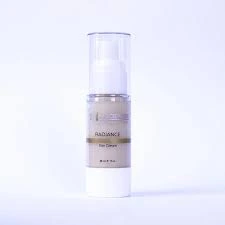
Healthy, comfortable skin is something most people expect after applying a moisturizer each morning. Yet many individuals still notice tightness, rough patches, or flaking by the middle of the day. This can be confusing, especially when they are using skincare products regularly. The truth is that lasting hydration depends on much more than a single product. Skin condition, daily habits, weather, cleansing methods, and ingredient choices all play an important role in maintaining moisture.
If you’ve ever asked yourself, Why Is My Skin Still Dry After Using a Best Day Cream in Pakistan, the answer often lies in understanding how your skin functions rather than simply changing products. At Skin Sciences, we believe effective skincare begins with education, consistent routines, and ingredients supported by dermatological knowledge. By identifying the real cause of dryness, you can create a routine that helps your skin stay comfortable, smooth, and healthy throughout the day.
Understanding What Dry Skin Really Means
Many people use the terms dry and dehydrated interchangeably, but they describe two different concerns.
Dry skin produces fewer natural oils than normal, making it feel rough and less flexible. Dehydrated skin, on the other hand, lacks sufficient water. Even oily skin can become dehydrated if it loses too much moisture.
Recognizing the difference is important because each condition requires a slightly different skincare approach. A routine focused on hydration, barrier support, and moisture retention is often more effective than simply applying a heavier cream.
Signs Your Skin Needs Better Hydration
Persistent dryness can appear in several ways, including:
- Tightness after cleansing
- Flaky or peeling areas
- Rough skin texture
- Dull complexion
- Fine lines becoming more noticeable
- Redness or irritation
- Makeup looking uneven
- Increased sensitivity to skincare products
These signs often suggest that the skin barrier requires additional care rather than more product.
Common Reasons Your Skin Feels Dry Throughout the Day
Your Skin Barrier Needs Support
The outermost layer of the skin acts as a protective shield. It keeps moisture inside while defending against pollution, bacteria, and environmental stress.
When this barrier becomes weakened, water escapes more quickly through a natural process called transepidermal water loss (TEWL). As moisture disappears, the skin becomes tight, rough, and uncomfortable.
Several habits may contribute to barrier damage:
- Over-exfoliating
- Washing with strong cleansers
- Long hot showers
- Frequent sun exposure
- Dry weather
- Indoor air conditioning
Choosing skincare rich in ceramides, panthenol, and squalane can help strengthen this protective layer over time.
Your Moisturizer Doesn’t Match Your Skin Type
Not every moisturizer works for everyone.
Someone with oily skin usually benefits from lightweight hydration, while a person with naturally dry skin often needs richer formulas containing nourishing emollients.
Look for products that contain ingredients such as:
- Hyaluronic acid
- Glycerin
- Ceramides
- Shea butter
- Vitamin E
- Niacinamide
These ingredients help improve hydration while supporting the skin’s natural moisture barrier.
You Apply Products at the Wrong Time
One of the simplest mistakes is waiting too long after washing your face.
Moisturizer performs best when applied to slightly damp skin because it helps lock in existing moisture. Waiting until the skin is completely dry allows water to evaporate before protective ingredients can seal it in.
A small change in application timing often produces noticeable improvements.
Your Facial Cleanser Is Too Strong
Some cleansers remove oil so effectively that they also strip away essential lipids.
After cleansing, your skin should feel fresh and comfortable, not overly tight or squeaky clean.
A gentle cleanser helps maintain balance while preparing the skin for hydration.
Climate Plays a Bigger Role Than You Think
Environmental conditions have a significant effect on moisture levels.
People living in Pakistan often experience:
- Hot summer temperatures
- Dust exposure
- Low indoor humidity
- Seasonal weather changes
- Strong ultraviolet rays
These factors gradually reduce skin hydration during the day.
Using sunscreen alongside a quality moisturizer helps reduce environmental stress while protecting healthy skin.
Ingredients That Help Maintain Healthy Hydration
Rather than focusing only on product names, pay attention to ingredient labels.
Hyaluronic Acid
This popular humectant attracts water to the skin, creating a smoother and more refreshed appearance.
Ceramides
These naturally occurring lipids strengthen the skin barrier and reduce moisture loss.
Glycerin
Glycerin pulls water into the outer skin layers, improving softness and flexibility.
Niacinamide
This versatile ingredient supports barrier repair, reduces irritation, and helps maintain a healthy complexion.
Squalane
Squalane provides lightweight nourishment without leaving a greasy finish.
Aloe Vera
Known for its soothing properties, aloe vera offers calming hydration that benefits sensitive skin.
Shea Butter
A rich emollient that softens rough areas while helping protect against dryness during colder months.
Create a Smarter Morning Routine
Healthy skin comes from consistency rather than using many different products.
1: Cleanse Gently
Use a mild facial cleanser that removes impurities without disrupting natural oils.
2: Apply a Hydrating Serum
A serum containing hyaluronic acid or glycerin prepares the skin for better moisture absorption.
3: Moisturize
Choose a formula that matches your skin type and provides lasting comfort.
4: Finish with Sunscreen
Daily sun protection helps prevent UV damage that weakens the skin barrier over time.
Daily Habits That Influence Skin Health
Your lifestyle affects your complexion just as much as your skincare routine.
Simple habits that support hydration include:
- Drinking adequate water
- Eating fruits and vegetables rich in antioxidants
- Including healthy fats in your meals
- Sleeping seven to eight hours
- Managing daily stress
- Avoiding smoking
- Limiting excessive alcohol intake
Healthy habits work alongside skincare products to improve overall skin condition.
Mistakes That Can Make Dryness Worse
Many people unknowingly increase dryness through everyday habits.
Avoid:
- Washing your face too frequently
- Using very hot water
- Overusing exfoliating acids
- Skipping sunscreen
- Mixing too many active ingredients
- Ignoring seasonal skincare changes
- Applying products in the wrong order
A simple routine followed consistently is usually more effective than an overly complicated one.
Choosing Products for Different Skin Types
Dry Skin
Look for richer creams containing ceramides, shea butter, and squalane to improve moisture retention.
Oily Skin
Lightweight, non-comedogenic formulas with glycerin and hyaluronic acid provide hydration without clogging pores.
Combination Skin
Balanced moisturizers help hydrate dry areas while remaining comfortable on oilier zones.
Sensitive Skin
Products containing panthenol, aloe vera, and fragrance-free formulas help reduce irritation while supporting the skin barrier.
Why Choose Skin Sciences?
At Skin Sciences, skincare is developed with a focus on quality ingredients, practical routines, and long-term skin wellness. Instead of offering temporary fixes, the goal is to support healthier skin by using formulations designed to improve hydration, reinforce the skin barrier, and protect against everyday environmental stress.
Whether you’re building your first skincare routine or looking to improve an existing one, selecting products with proven hydrating ingredients can make a noticeable difference over time.
Summary
Healthy skin depends on much more than applying a moisturizer each morning. A strong skin barrier, gentle cleansing, evidence-based ingredients, daily sun protection, and healthy lifestyle choices all work together to maintain hydration. Ingredients such as ceramides, hyaluronic acid, glycerin, niacinamide, squalane, panthenol, and aloe vera play an important role in improving moisture retention and supporting long-term skin health.
With a consistent routine and carefully selected products from Skin Sciences, you can help your skin feel softer, smoother, and more comfortable throughout every season. Choosing skincare based on your individual needs not trends is the most effective path toward a healthy, naturally radiant complexion.
Frequently Asked Questions
Can oily skin become dehydrated?
Yes. Oil production and hydration are different. Oily skin can still lack water and benefit from proper moisturizing.
How long does it take to improve dry skin?
With a consistent routine, many people notice healthier-looking skin within two to four weeks.
Should I use a hydrating serum before moisturising?
Yes. Applying a serum first helps increase water content, while moisturizer helps seal that hydration into the skin.
Is sunscreen necessary every day?
Yes. Daily SPF protects the skin from ultraviolet damage that contributes to moisture loss and premature aging.
Can seasonal weather affect hydration?
Absolutely. Heat, cold, wind, and low humidity all influence the skin’s ability to retain moisture.