
Skin can feel soft in the morning and dry by the afternoon. Weather, face washing, air conditioning and even hot showers can remove moisture from its surface.
A moisturizer helps bring that comfort back.
Moisturizer is a skincare product made to keep water inside the skin and reduce dryness. It supports the skin’s natural protective barrier, which is the outer layer that guards against irritation, pollution and moisture loss.
Some moisturizers feel light and almost watery. Others are rich, creamy and thick. The right choice depends on your skin type, the climate and how your skin feels during the day.
What Does Moisturizer Actually Do?
Healthy skin contains water and natural oils. Together, they help the skin remain smooth, flexible and comfortable.
When the skin loses too much moisture, it may begin to feel tight. Small dry patches can appear around the nose, cheeks or mouth. In more severe cases, the skin may become rough, itchy or flaky.
A moisturizer works in a few different ways.
Some ingredients attract water toward the outer layer of the skin. Others fill tiny spaces between dry skin cells, making the surface feel smoother. Certain ingredients create a light protective layer that slows down water loss.
This is why a good moisturizer does more than make the face feel soft for a few minutes. It helps the skin hold onto moisture for longer.
Why Is Moisturizer Important?
Dryness is not only a cosmetic issue. When the skin barrier becomes weak, the face can feel uncomfortable and more sensitive than usual.
Strong cleansers, frequent washing and harsh weather can disturb this barrier. The skin may then react to products that never caused problems before.
Regular moisturizing can help:
- Reduce dryness and flaking
- Calm tight or uncomfortable skin
- Support the natural skin barrier
- Improve softness and smoothness
- Reduce the rough appearance of dry areas
- Make makeup sit more evenly
- Protect the skin from everyday moisture loss
Moisturizer does not permanently change the natural structure of the skin. Its value comes from steady use. Applied daily, it helps the skin stay balanced and less likely to feel dry.
Does Oily Skin Need Moisturizer?
Yes.
This surprises many people because oily skin already produces extra sebum. However, oil and water are not the same thing.
The skin can look shiny and still lack moisture. This often happens after using strong face washes or acne products. The surface becomes dehydrated, while the oil glands continue producing sebum.
Skipping moisturizer may make the skin feel even more unbalanced. In some cases, the face becomes tight after cleansing and oily again a few hours later.
Oily skin usually feels better with a lightweight gel, fluid or water-based moisturizer. Look for a formula that absorbs quickly and does not leave a heavy layer.
Words such as “oil-free” and “non-comedogenic” may also be useful for acne-prone skin. Non-comedogenic products are designed to be less likely to block pores, although individual reactions can still vary.
What About Dry Skin?
Dry skin often needs a richer formula.
Cream moisturizers contain more oils and protective ingredients than thin lotions. They can be especially helpful during winter, after bathing or when the skin feels rough.
Ingredients such as glycerin, hyaluronic acid, ceramides and shea butter are commonly found in moisturizers for dry skin. Each works differently, but the overall goal is the same: helping the skin retain moisture and feel comfortable.
Very dry areas may need a thicker balm or ointment. These products form a stronger protective layer and are often useful on elbows, knees, heels and cracked hands.
Choosing a Moisturizer for Sensitive Skin
Sensitive skin needs a little more care.
Fragrance, strong essential oils and too many active ingredients may cause redness or stinging. A simple formula is often the safer starting point.
Look for a moisturizer with calming and barrier-supporting ingredients. Ceramides, glycerin and panthenol are commonly used in gentle skincare products.
Patch testing is also helpful. Apply a small amount near the jawline or behind the ear, then wait to see how the skin responds.
A product may be popular and still not suit everyone. Your skin’s reaction matters more than trends or packaging.
When Should You Apply Moisturizer?
The best time to moisturize is when the skin is slightly damp.
After cleansing, pat the face gently with a towel. Do not dry it completely. Apply moisturizer while a little moisture remains on the skin. This helps trap water before it evaporates.
Most people use moisturizer twice a day, once in the morning and again at night.
During the morning routine, apply moisturizer before sunblock. At night, use it after cleansing and any lightweight treatment products.
A simple order can look like this:
Cleanser, treatment or serum, moisturizer, sunblock during the daytime.
You do not need a complicated routine for healthy-looking skin. A gentle cleanser, a suitable moisturizer and daily sun protection are often enough for basic care.
How Much Moisturizer Should You Use?
More product does not always mean better results.
A small amount is usually enough for the face and neck. Start with a pea-sized portion, then add a little more if the skin still feels dry.
Spread it gently rather than rubbing aggressively. Pay attention to areas that become dry easily, such as the cheeks, corners of the nose and around the mouth.
If your moisturizer leaves the skin greasy for hours, the formula may be too rich. If the face feels tight shortly after applying it, the product may be too light.
Comfort is a useful guide.
Can Moisturizer Cause Pimples?
Any skincare product can cause problems if it does not suit your skin.
A thick cream may feel wonderful on dry skin but may be too heavy for someone with easily blocked pores. Fragranced formulas may also irritate sensitive or acne-prone skin.
This does not mean moisturizers cause acne in everyone. It simply means the texture and ingredients should match the skin type.
People with frequent breakouts may prefer a light, non-greasy moisturizer. Introduce one product at a time so it is easier to identify what causes irritation.
A Practical Moisturizing Option
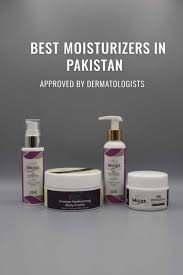
People looking for daily hydration may consider a QHC moisturizer suited to their skin type. QHC skincare products are commonly positioned around practical skin concerns and dermatologist-guided care.
A lightweight option may work better for oily or combination skin, while a richer cream can be more comfortable for dry areas.
The product should not feel like a forced addition to your routine. It should absorb well, sit comfortably under sunblock and leave the skin feeling calm rather than sticky.
Always check the ingredients and choose according to your own skin needs.
Common Moisturizing Mistakes
Applying moisturizer only when the skin starts peeling is a common mistake. Consistent use can help prevent dryness before it becomes uncomfortable.
Another mistake is applying a heavy body cream on the face. Body products may contain richer ingredients that feel too thick for facial skin.
People also sometimes use moisturizer instead of sunblock. A moisturizer may soften the skin, but it does not provide reliable UV protection unless it clearly contains broad-spectrum SPF.
Hot water can also reduce the benefits of a good moisturizer. Very hot showers strip away natural oils and may leave the skin feeling dry again.
A Simple Step with Lasting Benefits
Moisturizer is not a luxury product. It is a basic part of skin care.
It supports the skin barrier, reduces moisture loss and helps the face feel softer throughout the day. The key is choosing a texture that suits your skin and using it regularly.
Some days your skin may need only a light layer. On other days, especially during cold or dry weather, it may need extra care.
Listen to how your skin feels. Keep the routine simple and stay consistent.
Healthy skin often begins with small habits, and moisturizing is one of the easiest habits to maintain.