
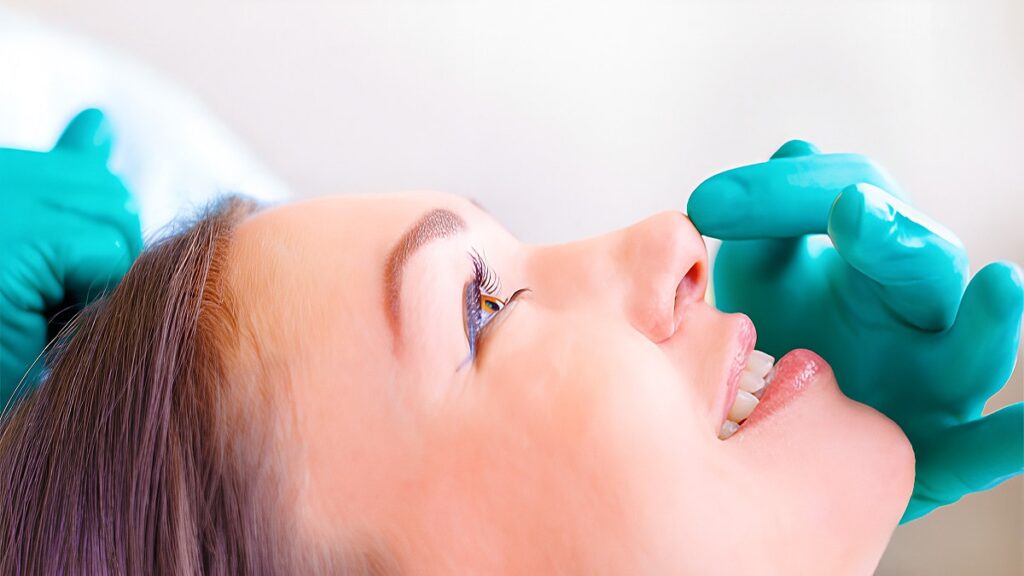
A successful nose surgery should improve specific features while keeping the face natural and balanced. Good planning considers facial proportions, nasal structure and individual goals to create results that suit the person’s appearance.
Your Natural Features Set the Direction
The same nose shape will not suit every face. Facial width, chin position, cheek structure and skin characteristics can all influence which changes look appropriate.A surgeon may assess the face from different angles before planning treatment. This helps identify changes that improve harmony while preserving the patient’s recognizable features.
Refining Key Nasal Features
Major alterations are not always necessary to create a visible improvement. Adjusting one or two specific areas may be enough to make the nose look more proportionate.The bridge, tip, nostrils or nasal angle can each influence the overall appearance. Focusing on the areas that need improvement can help avoid an overdone result.
Nasal Structure Matters During Planning
Bone and cartilage provide the framework that determines the shape and support of the nose. Changes need to account for how these structures interact rather than treating each feature separately.Maintaining adequate support is important for both appearance and nasal function. Structural planning can also help the nose maintain its shape as healing progresses.
Your Profile Can Change Without Losing Your Identity
The side view often reveals concerns that may not be obvious from the front. A prominent bridge, downward-pointing tip or an uneven contour can affect profile balance.Correcting these features does not necessarily require dramatic changes. Careful adjustments can create a smoother profile while keeping the result consistent with the rest of the face.
Nasal Function Should Remain a Priority
Appearance is only one part of treatment planning. Nasal structure can also affect airflow, particularly when there are existing internal problems.A proper assessment can identify concerns involving the septum, nasal passages or structural support. When appropriate, functional needs can be considered alongside cosmetic goals.
Skin Thickness and Nose Shape
The thickness and elasticity of nasal skin affect how structural changes become visible. Thicker skin may soften fine definition while thinner skin can reveal underlying contours more clearly.
Swelling can temporarily change the appearance of the nose after surgery. The final shape becomes clearer gradually as tissues recover and settle.
Nasal Structure and Treatment Expectations
Before surgery, patients should have a clear idea of which features can realistically be changed. Digital images or desired nose shapes should not be treated as guarantees of an identical result.Individual anatomy limits what can safely and naturally be achieved. A good treatment plan focuses on realistic improvements rather than copying another person’s features.
Choosing the Right Surgical Plan
The treatment plan is based on the patient’s nasal structure, desired changes and functional needs. Those considering Best Rhinoplasty Surgery in Lahore should look for experienced surgical care, detailed assessment, realistic goals and proper follow-up.
Healing and Long-Term Nose Shape
The nose can look swollen or uneven during the early stages of healing. This temporary appearance should not be confused with the final outcome.Following postoperative instructions and protecting the nose during recovery can support proper healing. Changes may continue gradually as swelling decreases and the tissues settle.
Previous Surgery Can Affect Future Changes
A nose that has already undergone surgery may have altered cartilage, scar tissue or reduced structural support. These factors can make further correction more complex.Previous procedures should be discussed during consultation. The surgical plan may need to account for existing changes before additional adjustments are considered.
Planning for a Natural-Looking Result
At Institute Cosmetique treatment planning considers individual nasal structure, facial proportions and desired changes. Clear communication helps create natural, balanced results suited to the patient’s features.
Sum up
A natural result depends on facial proportions, nasal structure, skin, function and realistic expectations. Rhinoplasty Surgery should be tailored to the individual with balanced changes that complement their natural features.
Frequently Asked Questions
Can rhinoplasty make the nose look natural?
Yes. Natural-looking results are more likely when changes are planned according to facial proportions and the patient’s existing nasal structure.
Does rhinoplasty always involve major changes?
No. Treatment can focus on specific features and some patients may need only subtle structural adjustments.
Can breathing problems be addressed during surgery?
Depending on the cause certain functional nasal problems may be addressed during the same procedure. An examination is needed to determine the appropriate approach.
How does skin thickness affect the result?
Skin thickness can influence how clearly nasal contours appear. It may also affect how quickly definition becomes visible during recovery.
When will the final result become clear?
The nose changes gradually during healing. Swelling can take time to decrease so the final appearance may not be visible immediately after surgery.