
Have you ever tried a new skincare product and noticed that your skin became red, dry, or itchy? This can be frustrating, especially when you are trying to improve your skin. Retinol is a popular skincare ingredient that can help improve the appearance of fine lines, uneven skin tone, and rough skin texture. However, using it the wrong way may cause irritation.
The good news is that you can take simple steps to protect your skin while using retinol. You do not need a complicated skincare routine to get started. Choosing the right product, using a small amount, and keeping your skin moisturized can make a difference.
If you are looking for the Best Retinol Serum in Pakistan, it is important to understand how retinol works and how to use it safely before adding it to your daily routine.
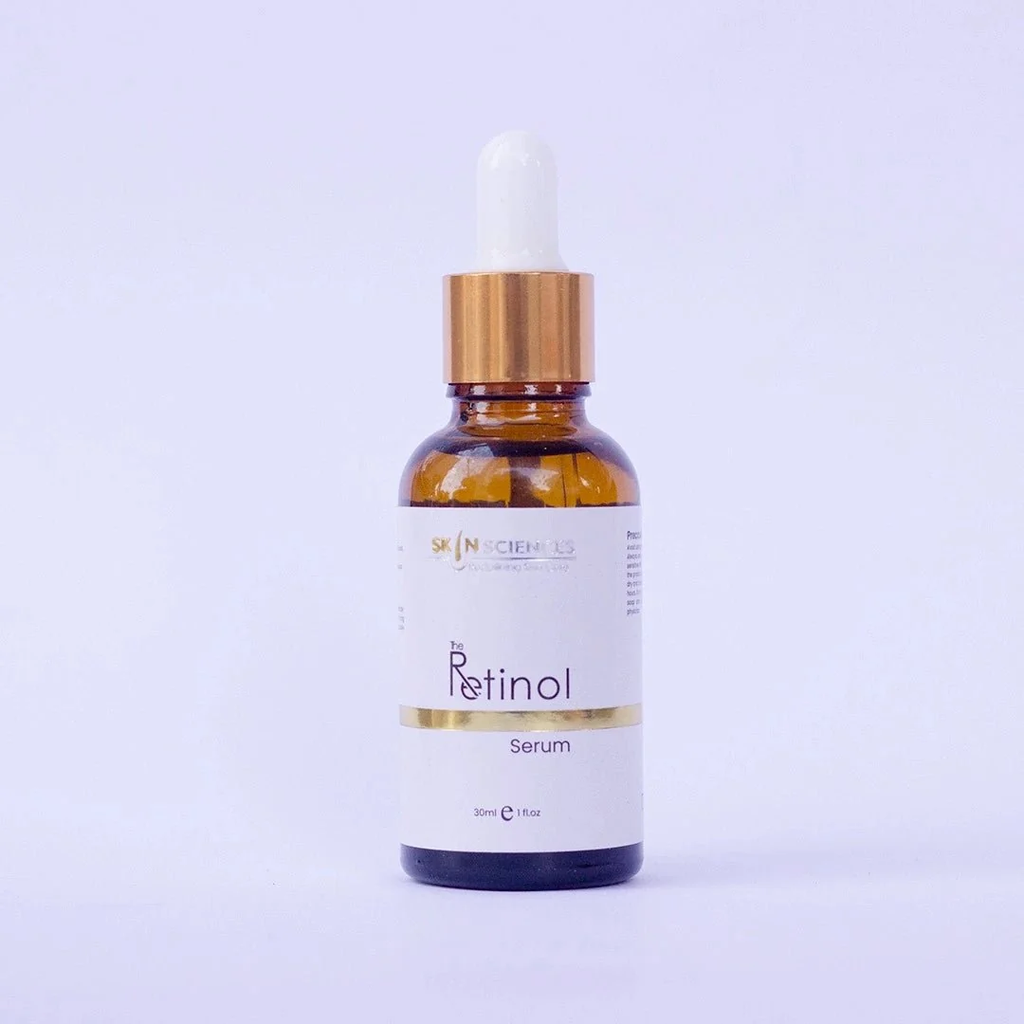
What Is Retinol and Why Can It Irritate Your Skin?
Retinol is a form of vitamin A used in skincare products. It helps support skin cell turnover, which is the natural process through which old skin cells are replaced by new ones.
With regular use, retinol may help soften the appearance of fine lines, improve uneven skin tone, and make rough skin feel smoother. However, it can also make your skin dry or sensitive, especially when you first start using it.
Common signs of irritation include:
- Redness and dryness
- Mild burning or stinging
- Flaky or peeling skin
- Itching or tightness
Some people experience only mild dryness, while others may develop stronger irritation. Your skin type, the product’s strength, and how often you apply it can all affect your experience.
7 Ways to Reduce Irritation When Using Retinol
1. Start With a Low Strength
If you are new to retinol, do not rush to use a strong product. A lower-strength formula can be a sensible starting point because it allows you to see how your skin responds.
Remember that stronger products do not always mean better results. Your skin needs time to adjust, and a product that suits someone else may not suit you.
When choosing a retinol product, check the ingredient information and follow its instructions. If you have sensitive skin or an existing skin condition, ask a dermatologist which option is suitable for you.
2. Use Retinol Only a Few Nights a Week at First
Applying retinol every night from the beginning may increase the risk of irritation. Instead, start slowly.
For example, you could apply it on two non-consecutive nights each week, if the product instructions allow this. Watch how your skin responds over the following days.
If your skin tolerates it well, you may gradually increase how often you use it. There is no need to rush. If redness, burning, or peeling develops, reduce use or stop until your skin recovers.
3. Apply It to Clean, Completely Dry Skin
Your skincare routine does not need to be complicated. Start by washing your face with a gentle cleanser that does not leave your skin feeling tight.
Pat your face dry with a clean towel instead of rubbing it. Let your skin dry completely before applying retinol, as applying it to damp skin may increase irritation for some people.
Use only the amount recommended on the product label. For many facial retinol products, a pea-sized amount is enough for the entire face.
Avoid applying it close to your eyes, the corners of your nose, and your lips, where the skin can be more sensitive.
4. Never Skip Your Moisturizer
A good moisturizer helps reduce water loss and supports your skin’s natural protective barrier. This is especially important when using retinol because dryness can make your skin feel uncomfortable.
Apply a gentle moisturizer after retinol, following your product’s directions. If your skin is sensitive, applying moisturizer before retinol may also help reduce irritation.
Look for a moisturizer that suits your skin type and does not cause breakouts. You do not need an expensive product; the main goal is to keep your skin comfortable and hydrated.
5. Avoid Using Too Many Active Ingredients Together
Using several strong skincare ingredients at once may increase the chance of redness, dryness, and peeling.
When starting retinol, keep your routine simple. Avoid introducing strong exfoliating acids, harsh scrubs, or other potentially irritating treatments at the same time.
For example, if you already use salicylic acid or glycolic acid, consider discussing how to schedule these products with a dermatologist. You may be able to use them on different days, depending on your skin and the products involved.
Introduce new products one at a time. This makes it easier to identify which product is causing a problem if irritation occurs.
6. Wear Sunscreen Every Morning
Sun protection is an important part of any skincare routine. Skin that becomes irritated from retinol may be more vulnerable to discomfort from sun exposure.
Apply a broad-spectrum sunscreen with SPF 30 or higher every morning. Reapply it about every two hours when outdoors, and more often after swimming or heavy sweating.
You can also protect your skin by wearing a hat, staying in the shade, and avoiding unnecessary time in strong sunlight.
If you are comparing the Best Retinol Serum in Pakistan, remember that sunscreen is an essential part of using retinol responsibly. A serum alone cannot protect your skin from sun damage.
7. Listen to Your Skin and Do Not Ignore Irritation
A little dryness may occur when you first introduce retinol, but severe irritation should not be treated as a sign that the product is working better.
If your skin becomes very red, painful, swollen, or starts peeling heavily, stop using retinol and focus on gentle cleansing and moisturizing. Seek medical advice if symptoms are severe, persistent, or getting worse.
Avoid applying retinol to sunburned, broken, or already irritated skin.
Before trying a new product, you can also perform a patch test according to its instructions. This may help identify a reaction, although it cannot guarantee that the product will not irritate your face.
How Can You Build a Simple Retinol Routine?
A simple routine can help you avoid unnecessary irritation.
Morning routine:
- Wash your face with a gentle cleanser.
- Apply a suitable moisturizer.
- Finish with broad-spectrum SPF 30 or higher sunscreen.
Evening routine:
- Cleanse your face gently.
- Allow your skin to dry completely.
- Apply retinol according to the product instructions.
- Follow with moisturizer.
You can adjust this routine according to your skin’s needs. If you are unsure whether retinol is suitable for you, speak with a qualified dermatologist before starting.
How to Choose a Retinol Serum for Your Skin
When comparing products, do not focus only on price or popularity. Look at the retinol concentration, directions for use, ingredient list, and packaging.
Choose a product from a reliable source and check whether its instructions clearly explain how often to use it. Avoid products that promise instant results or claim to remove every wrinkle in a few days.
Skin Sciences encourages informed skincare choices, and understanding an ingredient before using it is an important part of building a suitable routine. If you are considering the Best Retinol Serum in Pakistan, choose according to your skin’s needs rather than simply following a trend.
People with eczema, rosacea, very sensitive skin, or ongoing skin irritation should seek professional advice before using retinol. Topical retinoids should also be avoided during pregnancy or when planning a pregnancy.
Frequently Asked Questions
1. Can I use retinol every night?
Not necessarily. Beginners should usually start less frequently and increase use only if their skin tolerates it. Follow the product instructions and seek professional advice if irritation develops.
2. Is peeling normal when using retinol?
Mild dryness or peeling can happen when starting retinol. However, heavy peeling, strong burning, or painful redness is not something to ignore. Stop using the product and seek medical advice if symptoms are severe.
3. Should I apply moisturizer before or after retinol?
Both methods may work. Applying moisturizer afterward helps reduce dryness, while applying it beforehand may help sensitive skin tolerate retinol better.
4. Can I use retinol with vitamin C or salicylic acid?
These ingredients may be used in some skincare routines, but combining them without a plan can increase irritation. Introduce products gradually and consider using potentially irritating ingredients on different days.
5. How long does retinol take to show results?
Results vary depending on the product, skin concern, and consistency of use. Some changes may take several weeks, while improvements in fine lines and uneven skin tone can take longer. Avoid increasing the amount to speed up results.
Final Words
Retinol can be a useful part of a skincare routine, but using it carefully is more important than using it frequently. Start with a suitable strength, apply it gradually, keep your skin moisturized, and use sunscreen every morning.
Most importantly, pay attention to how your skin responds. If you experience severe irritation, stop using the product and seek professional advice.
Whether you are exploring retinol for the first time or comparing the Retinol Serum , remember that healthy skin comes from informed choices, patience, and a routine that suits your individual needs.