
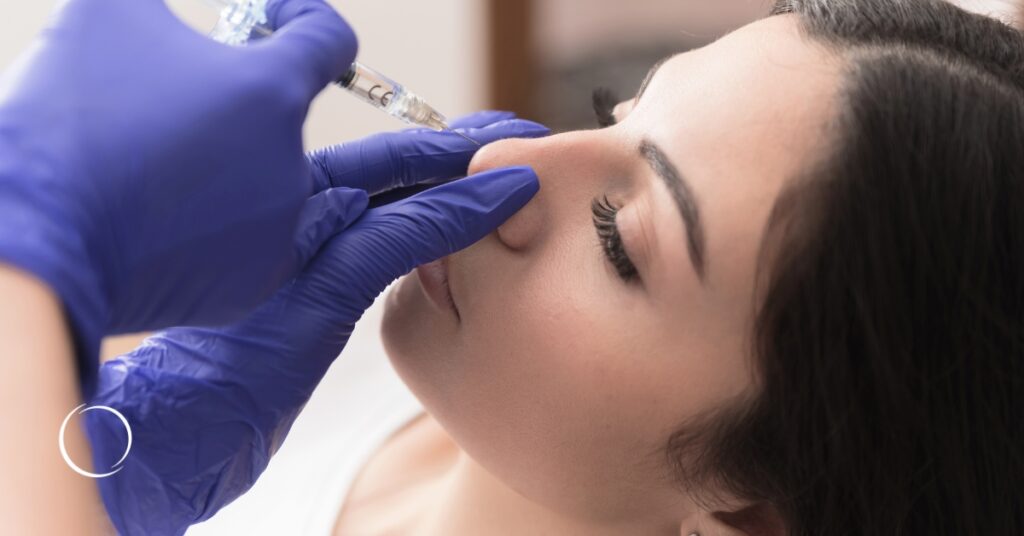
Nose reshaping surgery involves several steps. Each stage helps prepare the patient for the procedure and recovery.
Knowing what happens at every stage can help patients feel more prepared. It also helps them set realistic expectations about the results.
First Consultation
Your first appointment is an opportunity to discuss your concerns. You can explain which parts of your nose you want to change.
Discussing Your Goals
You may want to refine your nose tip, reduce a bump or improve symmetry. Your surgeon will assess whether these changes are suitable for your facial structure.
Reviewing Your Medical History
Your surgeon will ask about your health, medications, allergies and previous surgeries. This information helps identify possible risks before the procedure.
Examining Your Nose
A detailed examination helps the surgeon understand your nasal structure. It also helps identify changes that may improve your facial balance.
Checking Nasal Shape
The surgeon examines the bridge, tip, nostrils and overall nose shape. Skin thickness and cartilage structure can also affect the surgical plan.
Assessing Breathing Problems
Nose reshaping may involve both appearance and breathing concerns. Your surgeon may examine the internal nasal structures if you have difficulty breathing.
Creating a Surgical Plan
Every patient has different goals and facial features. The surgeon uses the examination findings to plan suitable changes.
Setting Realistic Expectations
Discuss the results you hope to achieve. Your surgeon should explain what surgery can realistically change.
Choosing Suitable Adjustments
Some patients need changes to the nasal bridge. Others may need tip refinement or adjustments to the nostrils.
Selecting the Surgical Technique
The surgeon recommends a technique based on your needs. Two common approaches are open and closed rhinoplasty.
Open Rhinoplasty
Open rhinoplasty uses an incision across the columella the tissue between the nostrils. It gives the surgeon a clearer view of the underlying nasal structures.This approach may help with complex changes. Healing and scar appearance vary between patients.
Closed Rhinoplasty
Closed rhinoplasty uses incisions inside the nostrils. It does not require an external incision across the columella.This technique may suit selected cases. The surgeon decides whether it can achieve the planned changes safely.
Preparing For Surgery
Preparation starts before the procedure date. Your surgeon will provide instructions based on your health and surgical plan.
Following Medical Advice
Tell your surgeon about all medications and supplements you take. Follow instructions about eating, drinking, smoking and medication use.
Arranging Recovery Support
Arrange transport home after surgery. You may also need someone to help you during the first part of recovery.
The Day of Surgery
The medical team prepares you for the procedure. The surgeon confirms the plan before surgery begins.
Anesthesia and Incisions
The procedure uses suitable anesthesia. The surgeon makes incisions based on the selected technique.
Reshaping the Nose
The surgeon adjusts bone, cartilage or other nasal structures as planned. The changes depend on your goals and natural anatomy.
Completing the Procedure
The surgeon closes the incisions after making the required adjustments. A splint may be placed on the nose to provide support during early healing.
Early Recovery After Surgery
Swelling, bruising and nasal congestion are common after rhinoplasty. These effects usually improve gradually.
Protecting the Nose
Keep your nose protected from accidental pressure or injury. Avoid strenuous exercise until your surgeon approves it.
Following Aftercare Instructions
Take prescribed medication as directed. Attend follow-up appointments so your surgeon can check your healing.
Contact your healthcare provider if you experience heavy bleeding, severe pain, fever or sudden changes in vision or breathing.
Understanding the Healing Process
The nose needs time to heal after surgery. Swelling may hide the final shape during the early weeks.
Changes in Swelling
Swelling gradually decreases over time. The nasal tip may take longer to settle than other areas.
Seeing the Final Results
Final results can take several months or longer to become clear. Healing time depends on the procedure and individual factors.
Knowing the Possible Risks
Rhinoplasty carries risks like other surgical procedures. These may include infection, bleeding, scarring or breathing problems.
Some patients may also remain dissatisfied with the result. Discuss potential complications with your surgeon before deciding on surgery.
Choosing the Right Surgeon
A qualified surgeon can assess your needs and explain the available options. Review their training, experience, safety practices and previous results.
People searching for Best Rhinoplasty Surgery in Lahore should focus on medical qualifications and patient safety. At Institute Cosmetique patients can discuss their concerns and seek guidance about suitable treatment options.
Sum up
Nose reshaping surgery includes consultation, planning, surgery and recovery. Every stage requires proper attention.Follow your surgeon’s advice and attend scheduled checkups. Realistic expectations and careful aftercare can support the healing process.