
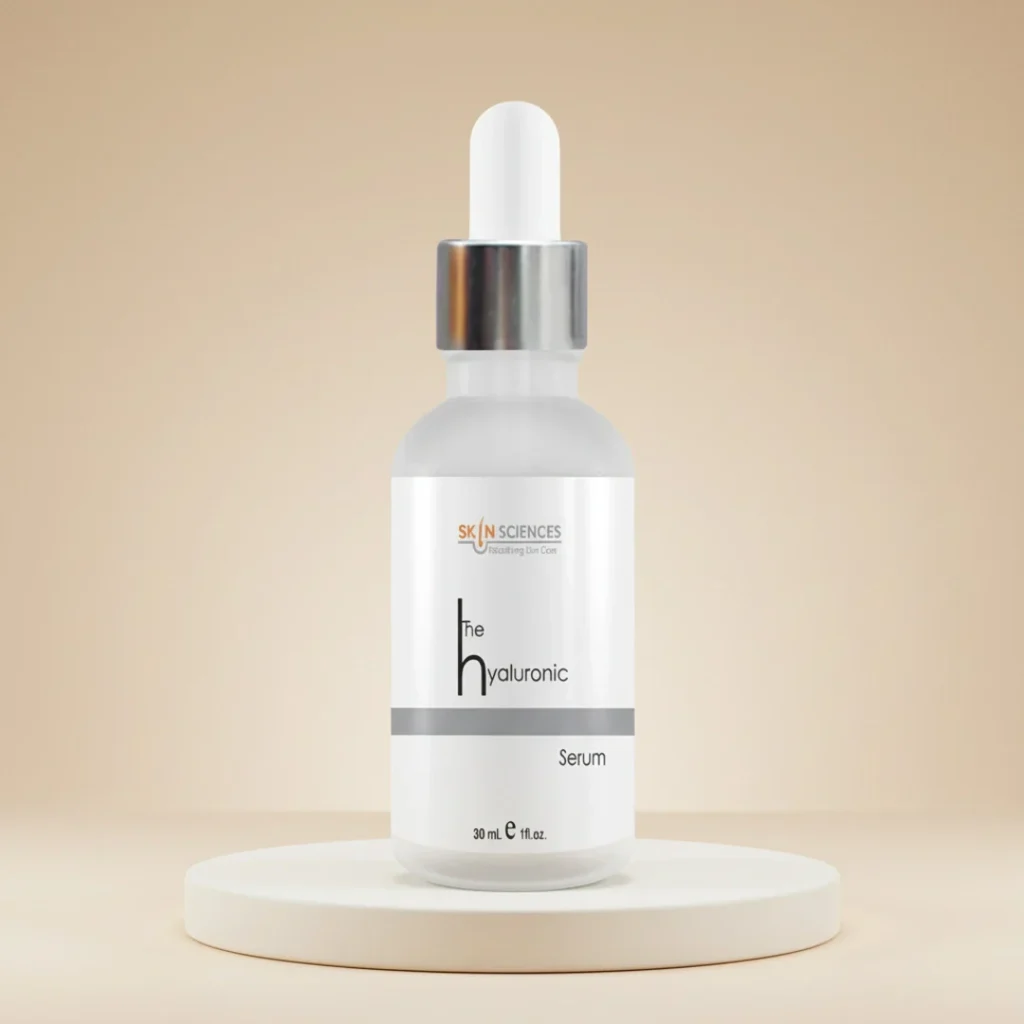
Healthy, hydrated skin often starts with the right skincare routine, and hydration-focused serums have become a staple for many people. However, some users notice pimples or clogged pores shortly after introducing a new product, leading them to believe the serum is the problem. In reality, breakouts can occur for several reasons, and the product itself is not always to blame.
Hyaluronic Acid Serum is widely recognized as a powerful moisture-binding ingredient that helps improve hydration without feeling heavy on the skin. It is generally considered suitable for most skin types, including oily and acne-prone skin. If blemishes appear after adding a hydrating serum to your routine, it is important to identify the real cause before removing a product that may actually benefit your skin. At Skin Sciences, skincare is developed with a focus on balanced formulations that support long-term skin health while addressing everyday concerns.
Understanding Why Breakouts Can Happen
A breakout occurs when pores become blocked with excess sebum, dead skin cells, bacteria, or irritating ingredients. While many people immediately blame the newest product in their routine, the actual cause may be a combination of several factors.
Common triggers include:
- Excess oil production
- Poor cleansing habits
- Layering incompatible skincare products
- Hormonal fluctuations
- Environmental pollution
- Heavy or pore-clogging formulations
Identifying the source of congestion is the first step toward restoring clear, healthy-looking skin.
What Makes Hyaluronic Acid Different?
Unlike exfoliating acids, Hyaluronic Acid does not remove skin cells or stimulate rapid exfoliation. Instead, it functions as a humectant, attracting water to the skin’s surface to improve hydration.
Its primary benefits include:
- Supporting moisture retention
- Improving skin softness
- Helping maintain the skin barrier
- Reducing feelings of tightness
- Creating smoother skin texture
Because it focuses on hydration rather than exfoliation, this ingredient is not commonly associated with acne formation.
The Formula Matters More Than One Ingredient
Many skincare products contain dozens of ingredients besides the main activity.
A hydrating serum may also include:
- Fragrance
- Essential oils
- Thick emollients
- Preservatives
- Botanical extracts
- Silicones
If your skin reacts after introducing a new serum, another ingredient within the formulation may be responsible rather than the hydrating component itself.
Choosing non-comedogenic products designed for your skin type reduces the likelihood of pore congestion.
Skin Purging and Breakouts Are Not the Same
Many people confuse normal acne with skin purging.
Purging generally occurs after using ingredients that increase cell turnover, such as:
- Retinol
- Glycolic Acid
- Salicylic Acid
Hydrating ingredients typically do not speed up skin renewal.
If pimples appear only after introducing a moisturizing serum and continue to worsen over time, they are more likely to represent irritation, clogged pores, or another underlying issue rather than temporary purging.
A Damaged Skin Barrier Can Trigger Skin Problems
Healthy skin depends on a strong protective barrier.
When this barrier becomes weakened through excessive cleansing, harsh exfoliation, or environmental stress, the skin becomes more vulnerable to irritation and inflammation.
Signs of a compromised barrier include:
- Dryness
- Redness
- Tightness
- Increased sensitivity
- Rough texture
Hydrating ingredients combined with Ceramides, Panthenol, Glycerin, and Squalane help restore moisture balance while supporting skin recovery.
Layering Too Many Products Together
Introducing multiple products simultaneously makes it difficult to identify which one is causing irritation.
For example, combining:
- Retinol
- Vitamin C
- Exfoliating acids
- Strong acne treatments
- Multiple facial serums
may overwhelm sensitive skin.
Instead, introduce one new product every two or three weeks. This approach allows your skin time to adjust while making it easier to recognize individual reactions.
Cleansing Plays a Bigger Role Than Many People Realize
Hydration works best on clean skin.
If sunscreen, makeup, dirt, or pollution remain on the face overnight, pores become more likely to clog regardless of which serum is applied afterward.
An effective cleansing routine should:
- Remove sunscreen completely
- Eliminate excess oil
- Wash away environmental pollutants
- Leave the skin comfortable without excessive dryness
Gentle cleansing creates a healthier foundation for every skincare product that follows.
Product Application Can Influence Results
Even an excellent skincare product may not perform well if applied incorrectly.
For better hydration:
- Cleanse the face gently.
- Leave the skin slightly damp.
- Apply the facial serum evenly.
- Follow with a moisturizer.
- Finish with sunscreen during daytime.
Applying a moisturizer afterward helps lock hydration into the skin instead of allowing water to evaporate.
Environmental Conditions Affect Skin Behavior
Weather can significantly influence how skin responds to skincare.
In Pakistan, many people experience:
- Hot summers
- High humidity
- Dust exposure
- Air pollution
- Dry winter conditions
These environmental changes may alter oil production and skin hydration.
During humid months, lightweight products often feel more comfortable, while richer moisturizers may provide additional support during colder weather.
Skin Sciences develops skincare with these everyday environmental challenges in mind.
Not Every Pimple Is Acne
Small bumps can develop for different reasons.
Some possibilities include:
Irritation
The skin may react to fragrance, preservatives, or certain botanical ingredients.
Allergic Reaction
Redness, itching, and swelling often indicate sensitivity rather than acne.
Fungal Folliculitis
This condition resembles acne but develops differently and may require medical advice.
Hormonal Changes
Hormonal fluctuations frequently influence oil production regardless of skincare products.
Understanding these differences helps prevent unnecessary changes to an otherwise effective routine.
Choosing Products That Suit Your Skin Type
Every skin type has unique hydration needs.
Oily Skin
Lightweight formulas containing Niacinamide and humectants help maintain moisture without leaving a greasy finish.
Dry Skin
Products rich in Ceramides, Glycerin, and nourishing moisturizers improve comfort and reduce moisture loss.
Combination Skin
Balanced hydration helps both dry and oily areas remain comfortable.
Sensitive Skin
Fragrance-free formulas with soothing ingredients such as Centella Asiatica and Aloe Vera may reduce irritation.
Selecting products according to skin type supports healthier long-term results.
Simple Habits That Help Reduce Congestion
Maintaining clear skin often depends on consistent daily habits rather than frequent product changes.
Helpful practices include:
- Wash pillowcases regularly.
- Avoid touching your face unnecessarily.
- Remove makeup before sleeping.
- Keep makeup brushes clean.
- Drink enough water throughout the day.
- Avoid introducing multiple active ingredients at once.
- Patch-test new skincare products before full application.
These habits reduce unnecessary stress on the skin while supporting healthier barrier function.
When Professional Advice Is Worth Considering
Occasional pimples are common, but persistent or painful breakouts deserve professional attention.
Consider consulting a qualified dermatologist if you experience:
- Severe inflammatory acne
- Painful cysts
- Continuous redness
- Swelling
- Persistent irritation
- Breakouts that do not improve after several weeks
Professional guidance can help identify underlying skin conditions that require targeted treatment.
Building a Balanced Hydration Routine
A simple skincare routine often delivers better long-term results than an overly complicated one.
A practical daily routine may include:
- Gentle cleanser
- Hydrating facial serum
- Moisturizer
- Broad-spectrum sunscreen during the day
- Targeted nighttime treatment if needed
This balanced approach supports moisture retention, strengthens the skin barrier, and helps maintain smoother, healthier-looking skin.
At Skin Sciences, skincare formulations are designed to work alongside consistent daily habits, providing effective hydration without unnecessary complexity.
Summary
Developing pimples after introducing a hydrating product does not automatically mean the moisture-binding ingredient is responsible. Factors such as pore-clogging ingredients, improper product layering, poor cleansing, environmental exposure, hormonal changes, or a weakened skin barrier often play a much larger role. Looking beyond a single ingredient helps create a more accurate understanding of what your skin truly needs.
For Pakistani consumers, climate, pollution, and seasonal changes can also influence skin behavior. Choosing lightweight, non-comedogenic formulations, maintaining a healthy skincare routine, and supporting the skin barrier with ingredients like Hyaluronic Acid, Ceramides, Glycerin, Niacinamide, and Panthenol can contribute to healthier, more balanced skin over time. With thoughtfully developed skincare solutions, Skin Sciences aims to help individuals achieve lasting hydration and confidence through routines built on science rather than skincare myths.
Learn more about effective skincare routines here: https://rhinoplasty.org.pk/