
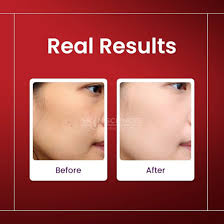
If you are thinking about adding a hyaluronic serum to your routine, you probably have one big question: what will my skin look like after using it? This guide explains how your skin may look and feel before you start, what changes to expect week by week, and what a hyaluronic serum cannot do.
What Is Hyaluronic Serum and What Does It Do?
Hyaluronic acid is a molecule your skin already makes. Its main job is to attract and hold water. A hyaluronic serum adds extra hydration to the top layers of your skin, so it looks fuller, smoother and more comfortable.
It does not treat acne, remove dark spots or erase deep wrinkles. It is a hydration product, and it works best when you judge it by that.
Skin Before Using Hyaluronic Serum
Before starting, many people notice some of these signs:
- Skin feels tight after washing the face
- A dull or tired look, even after good sleep
- Fine lines that look sharper, especially around the eyes and forehead
- Makeup that looks patchy or settles into lines
- Flaking or rough texture in some areas
- Oily skin that is still dehydrated underneath
That last point matters. Oily skin can still lack water. Dehydration is about water, not oil, so even oily and acne-prone skin can benefit from hydration.
Hyaluronic Serum Before and After: What to Expect Over Time
Results depend on your skin type, climate and routine. Here is a realistic timeline.
Right After the First Use
Your skin may feel softer, cooler and more comfortable within minutes. It can also look a little plumper. This is the serum drawing water into the surface layer. It is a real effect, but a temporary one.
After 1 to 2 Weeks
Tightness and rough patches usually reduce. Skin often looks fresher and less dull. Makeup tends to sit more smoothly. Fine lines caused by dryness may look softer, because well-hydrated skin reflects light better.
After 4 to 8 Weeks
With regular use, skin tends to feel more balanced and look more even in texture. Many people notice that their skin stays hydrated for longer through the day. Your skin’s natural barrier also gets better support when it is not constantly dehydrated.
After 3 Months
At this stage, the benefit is mostly about consistency. Your skin looks healthier and more resilient, though hyaluronic acid will not change deep wrinkles or old scars by itself.
What Hyaluronic Serum Can and Cannot Do
It can help with:
- Dehydrated, dull-looking skin
- Tightness after cleansing
- Fine lines caused by dryness
- A smoother base for makeup
- Supporting the skin barrier
It cannot do:
- Remove deep wrinkles
- Fade dark spots or pigmentation quickly
- Treat active acne on its own
- Replace sunscreen
If you want to target pigmentation or aging, you will need other ingredients such as vitamin C, niacinamide or retinol alongside it.
How to Use Hyaluronic Serum to See Better Results
How you apply it makes a big difference.
Apply It on Damp Skin
Hyaluronic acid pulls in water. If your skin is completely dry, it may draw moisture from the deeper layers instead. After washing your face, leave it slightly damp, then apply the serum.
Always Follow With a Moisturizer
A serum alone does not seal in hydration. Apply a moisturizer after it so the water stays in your skin. At Skin Sciences, this is the step we see people skip most often, and it is usually why they feel the serum “did nothing.”
Use It Morning and Night
Twice a day is fine for most skin types. In the morning, finish with sunscreen.
Be Careful in Very Dry Climates
In very dry air, a thick layer of serum with no moisturizer on top can leave skin feeling tighter. Use a small amount and always seal it in.
How Long Before You See Results?
Instant softness is common, but visible improvement in texture and glow usually takes two to four weeks of regular use. Do not judge the product on day one or two.
Common Mistakes That Hide the Results
- Applying it on completely dry skin
- Using too much product, which can feel sticky
- Skipping moisturizer and sunscreen
- Expecting it to work like an anti-aging or whitening treatment
- Changing products too often, so the skin never gets a fair trial
Who Should Use Hyaluronic Serum?
It suits most skin types, including oily, dry, combination and sensitive skin, because it is light and water-based. If your skin is very sensitive or you have a skin condition, do a patch test first. Apply a small amount on your inner arm or behind the ear and wait 24 hours.
Frequently Asked Questions
Does hyaluronic serum really work?
Yes, for hydration. It improves moisture, softness and how smooth skin looks. It does not replace treatments for acne, pigmentation or deep wrinkles.
How long does hyaluronic serum take to show results?
You may feel a difference after the first use. Visible changes in glow and texture usually appear in two to four weeks.
Can hyaluronic serum make skin look younger?
It can make skin look plumper and fresher by adding water, which softens the look of fine lines. This is a temporary, surface-level effect and does not change the skin’s structure.
Can oily or acne-prone skin use it?
Yes. It is lightweight and non-greasy, and oily skin can still be dehydrated. Choose a non-comedogenic formula and follow with a light moisturizer.
Can I use hyaluronic serum with vitamin C or niacinamide?
Yes. It pairs well with both. Apply the thinner products first, then the hyaluronic serum, then your moisturizer.
Can hyaluronic acid dry out the skin?
It can feel drying if applied on very dry skin or without a moisturizer in a dry climate. Use it on damp skin and seal it in.
Is it safe to use every day?
For most people, yes. Stop use and consult a dermatologist if you notice redness, burning or itching that does not go away.
Final Thoughts:
A hyaluronic serum can make a clear difference to dull, tight and dehydrated skin. Expect softer, plumper-looking skin within days, and better texture and glow in a few weeks. It is a hydration booster, not a cure for acne, pigmentation or deep wrinkles. For the best results, apply it on damp skin, follow with a moisturizer, wear sunscreen daily and stay consistent. Healthy skin is built through simple habits, not overnight changes.