
Not all skincare routines are made for sensitive skin.It needs thoughtful care, gentle ingredients, and products that support the skin’s natural protective barrier. Many people experience redness, dryness, itching, or discomfort after using skincare products because their skin reacts easily to fragrances, harsh chemicals, or environmental changes.
Whether your skin is naturally sensitive or has become reactive due to pollution, weather changes, or over-exfoliation, proper hydration plays an essential role in maintaining a healthy complexion. Choosing the right moisturizer and applying it correctly can help reduce irritation while improving skin comfort and resilience.
If you’re searching for the QHC Moisturizer In Pakistan, understanding how to care for sensitive skin is the first step toward making an informed decision. At QHC, we believe healthy skin begins with gentle hydration, effective nourishment, and consistent skincare habits that protect your skin every day.
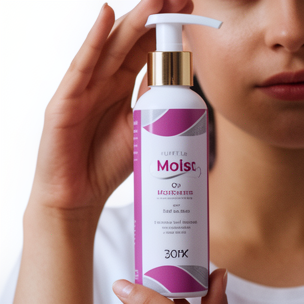
Why Sensitive Skin Needs Extra Moisture
Sensitive skin often has a weakened skin barrier, making it easier for moisture to escape and irritants to penetrate the skin. When this protective barrier becomes compromised, the skin can feel tight, dry, itchy, or inflamed.
A high-quality moisturizer helps by:
- Locking in hydration
- Supporting skin barrier repair
- Reducing water loss
- Soothing redness and discomfort
- Improving overall skin texture
Keeping your skin properly moisturized also helps it defend itself against pollution, temperature changes, and everyday environmental stress.
What Causes Skin Irritation?
Many factors contribute to skin sensitivity. Understanding these triggers helps you avoid unnecessary flare-ups.
Common Causes Include
- Harsh facial cleansers
- Alcohol-based skincare products
- Strong fragrances
- Excessive exfoliation
- Sun exposure
- Air pollution
- Cold or dry weather
- Stress
- Lack of hydration
Using gentle skincare products and maintaining a consistent routine can significantly reduce these issues.
How to Choose the Right Moisturizer
A regular moisturizer may not be enough for sensitive skin.The ideal formula should hydrate deeply without overwhelming your skin with unnecessary ingredients.
Look for Barrier-Supporting Ingredients
Choose products containing ingredients that strengthen and protect the skin barrier, such as:
- Ceramides
- Hyaluronic Acid
- Glycerin
- Panthenol
- Squalane
- Colloidal Oatmeal
- Aloe Vera
These ingredients attract moisture while helping repair damaged skin.
Avoid Potential Irritants
Sensitive skin benefits from simple formulations.
Avoid products containing:
- Artificial fragrance
- Essential oils in high concentrations
- Harsh alcohols
- Sulfates
- Strong exfoliating acids unless recommended by a dermatologist
At QHC, skincare formulations are designed with skin comfort in mind, helping deliver hydration without unnecessary irritation.
Build a Gentle Skincare Routine
Consistency matters more than using numerous products.
1: Cleanse Carefully
Use a mild cleanser that removes dirt and excess oil without stripping away natural moisture.
Avoid washing with very hot water because it can weaken the skin barrier.
2: Apply Moisturizer Immediately
For maximum hydration, moisturize within a few minutes after washing your face.
Applying moisturizer to slightly damp skin helps lock in hydration more effectively.
3: Protect During the Day
Sun protection should be part of every sensitive skincare routine.
Choose a broad-spectrum sunscreen that complements your moisturizer and helps prevent UV damage.
Ingredients That Help Calm Sensitive Skin
Some skincare ingredients have earned a strong reputation for improving skin comfort.
Hyaluronic Acid
This powerful humectant attracts water to the skin, leaving it hydrated without feeling greasy.
Ceramides
Ceramides naturally exist within the skin barrier and help reduce moisture loss while improving resilience.
Glycerin
Glycerin draws moisture from the environment into the skin, helping maintain softness throughout the day.
Panthenol
Also known as Pro-Vitamin B5, panthenol supports skin repair while calming irritation.
Aloe Vera
Known for its soothing properties, aloe vera helps reduce temporary redness and provides lightweight hydration.
Products from QHC are carefully selected to support healthy-looking skin while focusing on hydration and nourishment.
Common Moisturizing Mistakes to Avoid
Even a good moisturizer cannot perform well if it’s used incorrectly.
Applying Too Little
A thin layer may not provide enough hydration for compromised skin.
Overusing Active Ingredients
Combining retinol, exfoliating acids, and vitamin C in one routine may overwhelm sensitive skin.
Switching Products Too Often
Frequent product changes make it difficult for your skin to adapt and may increase irritation.
Ignoring Seasonal Changes
Your skincare needs often change with the weather.
Winter usually requires richer hydration, while lightweight creams work better during humid summers.
Hydration Starts From Within
Topical skincare works best when supported by healthy daily habits.
Simple lifestyle choices can improve your skin’s natural hydration.
- Drink adequate water throughout the day.
- Eat foods rich in healthy fats.
- Include fruits and vegetables in your meals.
- Get enough sleep.
- Manage stress through regular exercise or relaxation techniques.
Healthy skin reflects consistent care both inside and outside the body.
Why Skin Barrier Repair Matters
Your skin barrier is your body’s first line of defense.
When healthy, it helps keep moisture inside while protecting against bacteria, pollution, and environmental stress.
Signs of a damaged barrier include:
- Dry patches
- Burning sensations
- Increased redness
- Flaking
- Tightness
- Rough texture
Barrier-supporting skincare, combined with regular hydration, allows the skin to recover naturally over time.
This is one of the core principles behind skincare solutions offered by QHC, where maintaining healthy skin is prioritized over temporary cosmetic improvements.
Skincare Tips for Pakistani Weather
Pakistan experiences diverse climates throughout the year, from hot summers to dry winters.
To keep sensitive skin comfortable:
During Summer
- Use lightweight hydrating creams.
- Apply sunscreen every morning.
- Wash sweat gently without over-cleansing.
During Winter
- Switch to richer moisturizing formulas.
- Avoid excessively hot showers.
- Apply moisturizer more frequently if needed.
In Polluted Cities
Air pollution can weaken the skin barrier.
Double cleansing in the evening and consistent hydration help reduce the impact of environmental stress.
Why Consistency Delivers Better Results
Healthy skin doesn’t improve overnight.
Regular moisturizing supports gradual improvements in:
- Skin softness
- Smooth texture
- Healthy glow
- Hydration levels
- Barrier strength
- Overall comfort
Rather than constantly trying new products, build a simple routine and follow it consistently.
With thoughtfully formulated skincare from QHC, maintaining hydrated, comfortable skin becomes easier as part of your daily routine.
Final Words
Sensitive skin deserves gentle care, not harsh treatments. The right moisturizer can help restore hydration, strengthen the skin barrier, and minimize irritation when used consistently alongside a balanced skincare routine.
Choosing products with skin-friendly ingredients, avoiding unnecessary irritants, and following healthy daily habits can make a noticeable difference over time. Whether you’re dealing with seasonal dryness, environmental stress, or naturally reactive skin, consistency is the key to long-term skin health.
At QHC, we understand the unique skincare needs of Pakistani consumers. Our commitment to gentle hydration, nourishment, and barrier-supporting care helps you build a routine that leaves your skin feeling healthier, calmer, and more comfortable every day.
Frequently Asked Questions
1. How often should sensitive skin be moisturized?
Sensitive skin should generally be moisturized twice daily once in the morning and again before bedtime. Additional application may be helpful if your skin feels dry during the day.
2. Which ingredients are best for sensitive skin?
Ceramides, hyaluronic acid, glycerin, panthenol, squalane, and aloe vera are widely recognized for supporting hydration and helping maintain a healthy skin barrier.
3. Can sensitive skin use anti-aging moisturizers?
Yes. Choose gentle formulas that combine hydrating ingredients with mild anti-aging benefits while avoiding harsh active ingredients that may trigger irritation.
4. Why does my skin sting after applying moisturizer?
Stinging may indicate a weakened skin barrier or sensitivity to certain ingredients such as fragrance or alcohol. Switching to a gentler, barrier-supporting moisturizer can help.
5. Is a skincare routine really necessary for sensitive skin?
Yes. A simple routine that includes gentle cleansing, moisturizing, and daily sun protection helps maintain hydration, supports skin repair, and reduces the likelihood of irritation over time.