
Do you wash your face every day but still get pimples? You are not alone. Many people follow a daily skincare routine and still struggle with acne, blackheads, or small bumps on their skin. This can feel frustrating, especially when you are trying your best to keep your face clean.
However, pimples do not always appear because your face is dirty. Hormones, excess oil, blocked pores, stress, and unsuitable skincare products can also play a role. Choosing the Best Face Wash in Pakistan for your skin type and making a few simple changes to your daily skincare routine can help you keep your skin clean, manage excess oil, and care for your skin more effectively.
In this blog, we will explain why pimples appear even after daily face washing and how to build a simple routine for healthier-looking skin.
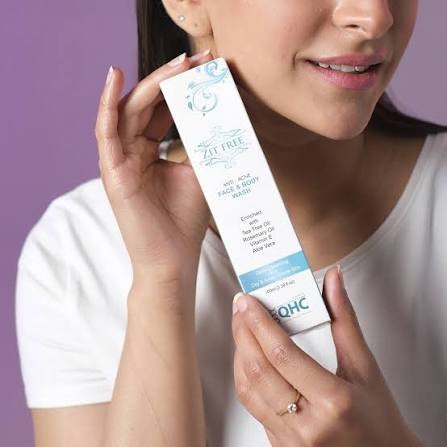
Why Do You Still Get Pimples After Washing Your Face?
Washing your face removes dirt, sweat, and excess oil. However, it cannot prevent every cause of acne. Pimples can develop when excess oil and dead skin cells block hair follicles. Bacteria and inflammation can then contribute to acne.
Here are some common reasons why you may continue to get pimples even when you wash your face regularly.
1. Your Skin Produces Too Much Oil
Your skin naturally produces an oil called sebum. It helps keep your skin soft, but too much oil can mix with dead skin cells and block pores.
This is why people with oily skin may experience more blackheads, whiteheads, and pimples. Washing your face can remove excess oil from the surface, but it does not stop your skin from producing more.
What can you do? Choose a gentle face wash suitable for your skin type. Avoid harsh products that leave your face feeling tight or dry.
2. You Are Using the Wrong Face Wash
Not every face wash is suitable for every skin type. A strong cleanser may irritate your skin, while a product that does not suit your needs may leave excess oil or residue behind.
If your face becomes red, dry, itchy, or uncomfortable after washing, your cleanser may be too harsh for you.
Look for a gentle face wash that removes dirt and excess oil without stripping away too much of your skin’s natural moisture. If you have acne-prone skin, a non-comedogenic product may be a useful option.
3. You Wash Your Face Too Often
It may seem that washing your face more frequently will prevent pimples. However, washing too often or scrubbing aggressively can irritate your skin and make existing acne look worse.
For most people, washing the face twice daily and after heavy sweating is a reasonable starting point.
Use lukewarm water, clean hands, and gentle movements. You do not need to scrub your skin hard to make it clean.
4. Hormonal Changes May Be Causing Pimples
Hormones can affect how much oil your skin produces. This is one reason acne may become more noticeable during puberty, around menstrual periods, or during other hormonal changes.
If pimples regularly appear around your chin and jawline, hormones may be one contributing factor. However, the location of a pimple alone cannot confirm its cause.
In these cases, changing your face wash may not be enough. Persistent or painful acne may need advice from a dermatologist.
5. Your Skincare Products May Be Blocking Pores
Sometimes, the problem is not your face wash but another product in your routine. Heavy moisturizers, makeup, or hair products may contribute to blocked pores in some people.
Using too many new products at once can also make it difficult to identify what is irritating your skin.
Choose products labelled non-comedogenic when appropriate, introduce new products one at a time, and pay attention to how your skin responds.
How to Prevent Pimples With a Simple Skincare Routine
You do not need a complicated skincare routine to care for acne-prone skin. Start with these simple steps.
1: Use a Gentle Face Wash
Wash your face in the morning and evening with a suitable cleanser. Gently massage it into your skin and rinse well.
If you are searching for the Best Face Wash in Pakistan, consider your skin type, the ingredients, and whether the formula suits acne-prone skin. A product’s popularity alone does not guarantee that it will work for you.
2: Apply a Suitable Moisturizer
Many people with oily or acne-prone skin skip moisturizer because they worry it will cause more pimples. However, your skin can still need moisture even when it produces excess oil.
Choose a lightweight, non-comedogenic moisturizer if heavier products make your skin feel greasy. Keeping your skin comfortable can also help you tolerate your skincare routine better.
3: Avoid Touching and Picking Pimples
Touching your face repeatedly can transfer dirt and oils from your hands. Picking or squeezing pimples may increase inflammation and raise the risk of dark marks and scars.
Allow spots to heal naturally, and avoid squeezing them even when they appear ready to pop.
4: Keep Your Everyday Items Clean
Your pillowcase, phone screen, and makeup tools can collect oil, sweat, and dirt. Clean them regularly as part of your normal hygiene routine.
These habits support general skin cleanliness, although acne is not simply caused by dirty skin.
5: Give Your Routine Time
Skincare products usually need time to show their effects. Changing your face wash every few days may make it harder to understand what works for you.
Follow a consistent, gentle routine. If you have persistent acne, a suitable acne treatment may be needed in addition to cleansing.
How Can QHC Help You Choose a Suitable Face Wash?
Choosing the right cleanser is an important part of a simple skincare routine. QHC is a brand to consider when exploring face wash options for your daily needs.
Before selecting a QHC face wash, check its ingredients, intended skin type, and product instructions. If your skin is oily or acne-prone, look for a formula that cleanses gently without leaving your face excessively dry.
Remember that no face wash can guarantee completely clear skin. Acne has several possible causes, and the best results often come from combining gentle cleansing with suitable moisturizing and, when needed, evidence-based acne treatment.
Frequently Asked Questions
1. Why do I still get pimples even when I wash my face twice a day?
Pimples can develop because of excess oil, blocked pores, hormonal changes, and inflammation. Washing removes surface dirt and oil but cannot prevent every cause of acne.
2. Which face wash is best for pimples in Pakistan?
Choose a gentle cleanser suitable for acne-prone skin. If you need an acne-focused product, ingredients such as salicylic acid may help some people, but they can also cause dryness or irritation. Introduce them carefully and follow the product instructions.
3. Can washing my face too much cause pimples?
Frequent washing and harsh scrubbing can irritate your skin and make acne worse. For most people, washing twice daily and after heavy sweating is enough.
4. Should I use moisturizer if I have pimples?
Yes, if your skin needs it. A lightweight, non-comedogenic moisturizer can help maintain skin comfort without unnecessarily clogging pores.
5. When should I see a dermatologist for acne?
Consider seeing a dermatologist if your acne is painful, deep, leaving scars, or not improving with a consistent skincare routine. A professional can help identify suitable treatment options.
Final Words
Getting pimples despite washing your face every day can be frustrating, but it does not mean you are doing everything wrong. Acne can have several causes, and keeping your face extra clean is not always the answer.
Use a gentle face wash, avoid harsh scrubbing, choose suitable skincare products, and give your routine time to work. If your acne continues or becomes painful, seek professional advice.
When looking for the Best Face Wash , focus on your skin’s needs instead of choosing a product based on popularity alone. With a suitable cleanser and consistent skincare habits, you can take a more informed approach to managing pimples and caring for your skin.