
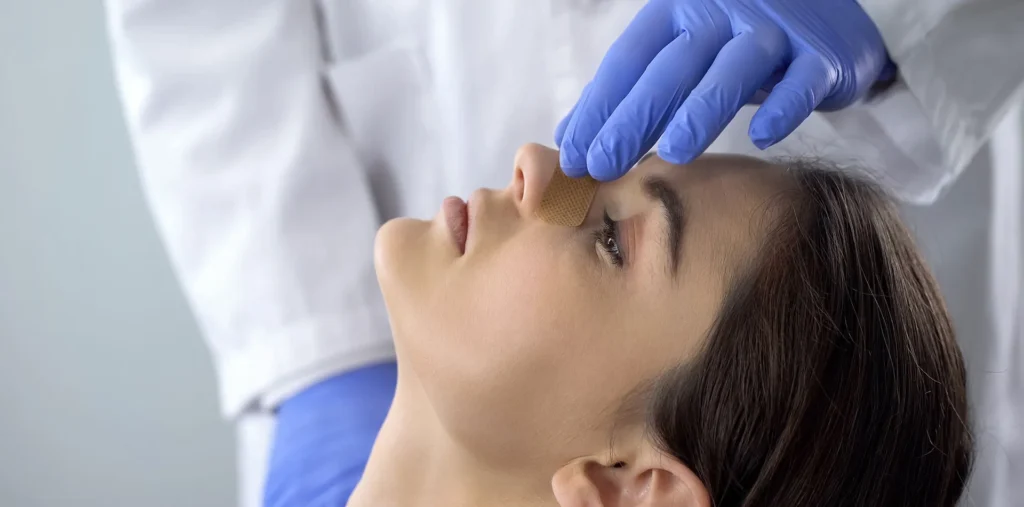
Choosing a rhinoplasty surgeon involves more than looking at before-and-after photos. Your surgeon should understand your facial features, breathing concerns, medical history and the changes you want from the procedure. A detailed consultation helps create a treatment plan that suits your individual needs.
Start With Your Main Concerns
Before your consultation, think clearly about what you want to change. You may be concerned about the size, shape, bridge, tip or overall balance of your nose.Some people also seek surgery because of breathing difficulties or previous nasal injuries. Sharing your main concerns helps the surgeon understand your goals and discuss suitable options.
Review Your Facial Features
A nose should look balanced with the rest of the face. During the consultation the surgeon may assess your nose from different angles along with your facial proportions.This evaluation helps avoid unrealistic changes. The goal is to plan improvements that complement your natural features rather than making the nose look disconnected from the face.
Discuss Your Surgical Plan
Every patient can require a different approach. The surgeon may discuss changes to the nasal bridge, tip, nostrils or other areas depending on your concerns.The surgical plan can also depend on your existing nasal structure and whether you have had previous nasal procedures. Clear communication at this stage can help you understand what the procedure may involve.
Check Breathing and Nasal Function
Appearance is only one part of nasal surgery. Your surgeon should also consider how your nose functions especially if you already experience difficulty breathing.Issues involving the nasal septum or internal nasal structure may need attention during surgery. Discussing these concerns before treatment can help ensure that functional factors are included in the overall plan.
Ask About Surgical Experience
Experience is an important point to discuss during your consultation. Ask about the surgeon’s training, experience with rhinoplasty procedures and the types of cases they commonly manage.You can also ask how often the surgeon performs this type of procedure. This conversation can give you a clearer idea of their approach and whether it matches your treatment needs.
Review Before-and-After Results
Before-and-after photographs can help you see the surgeon’s previous work. However individual results can vary because every nose has a different structure.Look at cases that have similar features or concerns to yours. This can make it easier to discuss realistic expectations rather than focusing only on dramatic changes.
Understand the Surgical Technique
Your surgeon may explain whether an open or closed approach is suitable for your case. The choice can depend on the changes required and the complexity of the procedure.Understanding the planned technique can also help you prepare for recovery. Ask about incision placement, swelling, expected healing and when you can return to normal activities.
Know the Possible Risks
Like other surgical procedures, rhinoplasty can involve risks. These may include swelling, bruising, infection, bleeding, changes in sensation, asymmetry or dissatisfaction with the result.Your surgeon should explain the potential complications and how they are managed. A clear discussion about risks allows you to make decisions based on realistic expectations.
Plan for Recovery
Recovery can take time even when the initial healing seems comfortable. Swelling may continue for several weeks or months while the final shape can take longer to settle.Ask when you can return to work, exercise, social activities and other normal routines. You should also understand the aftercare instructions and follow-up schedule provided by your surgical team.
Discuss Your Expectations Clearly
Good communication can make the consultation more useful. Instead of simply asking for a specific nose shape, explain what you dislike and what kind of improvement you hope to achieve.Bring up any concerns about symmetry, breathing, previous injury, or earlier nasal surgery. Your surgeon can then explain what changes may be realistic for your individual anatomy.
Choosing a Surgeon in Lahore
Patients considering Best Rhinoplasty Surgery in Lahore should focus on proper consultation, surgical experience, realistic planning and appropriate follow-up care rather than making a decision based only on cost.A qualified consultation should give you enough information to understand the proposed procedure and its expected recovery. institute cosmetique can help patients discuss their nasal concerns and available treatment options with a specialist team.
Preparing Before Surgery
Once you decide to proceed, your surgeon may provide instructions about medications, smoking, alcohol, diet and other factors that can affect healing.Follow these instructions carefully and provide complete information about your medical history and current medicines. Proper preparation can support a safer surgical experience and smoother recovery.
When a Second Consultation Helps
Sometimes patients need additional time before making a decision. A second consultation can be useful if you have unanswered questions or want clarification about the surgical plan.Use this opportunity to review expected results, recovery, risks and follow-up care. You should feel comfortable discussing your concerns before scheduling surgery.
Sum up
A rhinoplasty consultation should cover your concerns, facial balance, nasal function, surgical technique, risks, expected results and recovery. Choosing a surgeon requires careful consideration of experience, communication and realistic treatment planning. Clear discussions before surgery can help you understand what to expect throughout the process.
Frequently Asked Questions
1. How should I prepare for a rhinoplasty consultation?
Write down your concerns, medical history, current medicines, previous nasal procedures and questions about recovery or risks.
2. Can rhinoplasty improve breathing?
In some cases, surgery can address structural problems that affect nasal breathing. Your surgeon should assess both appearance and function.
3. How long does rhinoplasty recovery take?
Initial swelling and bruising usually improve gradually, but complete healing can take several months as the nasal tissues settle.
4. Can I choose the exact shape of my nose?
You can discuss your preferred appearance, but the final result depends on your natural anatomy, skin, cartilage, and surgical limitations.
5. What should I ask before scheduling surgery?
Ask about the surgical plan, experience, risks, recovery, follow-up appointments, expected results and any factors that may affect your healing.