
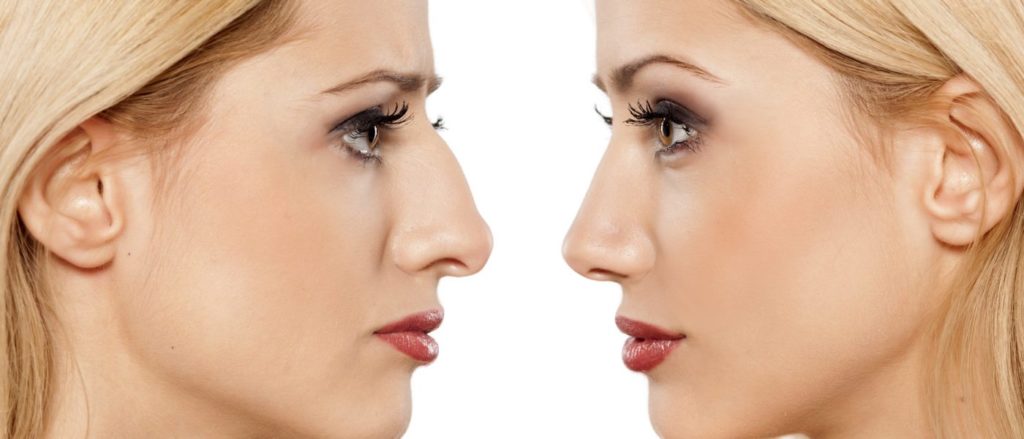
The right nasal surgery depends on your needs. Rhinoplasty improves nose shape while septoplasty corrects a deviated septum and improves airflow. Both may be combined when needed.
Understanding the Main Difference
Rhinoplasty primarily addresses the visible structure of the nose. It may change the bridge, tip, width, projection or overall shape.
Septoplasty works on the nasal septum inside the nose. Its main purpose is to improve airflow when a deviated septum is causing obstruction or breathing difficulties.
Reasons to Consider Rhinoplasty
Rhinoplasty may be considered when a person wants to change specific features of the nose. Common concerns include a nasal hump, broad bridge, uneven tip or disproportionate shape.
The procedure can also be considered after certain injuries that have changed the external appearance of the nose. Suitability depends on individual anatomy and treatment goals.
Nasal Issues That May Need Septoplasty
Septoplasty is generally considered when a deviated septum restricts nasal airflow. Symptoms may include persistent nasal blockage, difficulty breathing through one side or recurring nasal discomfort.
The surgeon evaluates the position of the septum before recommending correction. Not every deviated septum requires surgery.
Breathing Problems and Nasal Structure
Breathing difficulties can result from several structural issues. A deviated septum, narrow nasal passages, enlarged tissues or weakened nasal support may affect airflow.
A proper examination helps identify the actual cause. This is important because treating the wrong structural area may not provide the expected improvement.
Nose Shape and Facial Proportion
Some patients are mainly concerned about the appearance of their nose. They may want a smoother bridge, refined tip, reduced width or improved facial proportions.
Treatment should consider the entire face rather than focusing on one feature alone. Natural results depend on maintaining suitable proportions.
Can Both Procedures Be Combined?
In some cases, rhinoplasty and septoplasty can be performed together to address both cosmetic concerns and breathing problems. A careful assessment helps determine if combined surgery is suitable.
Checking Septum Position
The septum is the internal structure that separates the nasal passages. If it is significantly displaced it can reduce the space available for airflow.
During an evaluation the surgeon checks the septum and surrounding structures. This helps determine whether septal correction may improve nasal function.
Examining the Outer Nose
The external nose includes the bridge, tip, nostrils and surrounding cartilage and bone. Changes to these areas can influence the overall facial appearance.
The surgeon assesses these features from different angles. This provides a clearer picture of which cosmetic changes may be suitable.
Symptoms That Need Attention
- Persistent nasal blockage
- Difficulty breathing
- Frequent congestion
- Reduced airflow
- Possible septum or internal nasal issues
Choosing Treatment in Lahore
Patients considering Nose Reshaping surgery in Lahore should discuss both their cosmetic expectations and any breathing concerns during consultation.
At Institute Cosmetique an assessment can help determine whether the patient’s concerns are mainly cosmetic, functional or a combination of both.
Surgical Planning Based on Your Needs
The procedure depends on the patient’s anatomy, medical history and goals. Examination helps determine whether rhinoplasty, septoplasty or both are appropriate.
Recovery After Rhinoplasty
Rhinoplasty recovery usually involves swelling, bruising and temporary nasal congestion. The visible shape changes gradually as the tissues heal.
Patients should protect the nose from pressure or accidental injury. Following postoperative instructions supports proper healing.
Recovery After Septoplasty
Septoplasty recovery may include temporary congestion and swelling. Breathing can take time to improve while follow-up visits help monitor healing and nasal function.
What Shapes the Final Outcome
Results vary based on anatomy, surgical technique, correction and healing. Realistic expectations and proper assessment help set achievable goals as the nose continues to heal.
Planning the Right Nasal Treatment
The right procedure depends on the nasal concern. Rhinoplasty may address cosmetic changes while septoplasty can improve breathing problems. Some patients may need both after a detailed nasal assessment.
Sum up
Rhinoplasty and septoplasty serve different purposes although they can sometimes be combined. Rhinoplasty mainly changes nasal appearance while septoplasty focuses on septal correction and airflow.The right choice depends on your symptoms, nasal structure and desired results. A detailed medical assessment is essential before deciding on surgery.
Frequently Asked Questions
Is rhinoplasty only for cosmetic purposes?
Not always. Rhinoplasty can address external nasal structure and may sometimes include changes that support nasal function.
Does septoplasty change the shape of the nose?
Septoplasty mainly corrects the internal septum. It is not primarily designed to change the external appearance of the nose.
Can rhinoplasty and septoplasty be done together?
Yes. They can be combined in suitable patients when both functional and cosmetic concerns need to be addressed.
Which surgery is better for breathing problems?
The appropriate treatment depends on the cause. A deviated septum may require septoplasty, while other structural problems may need a different approach.
How do I know which procedure I need?
A qualified surgeon can examine your nasal structure, review your symptoms and discuss your goals before recommending the most suitable treatment.