
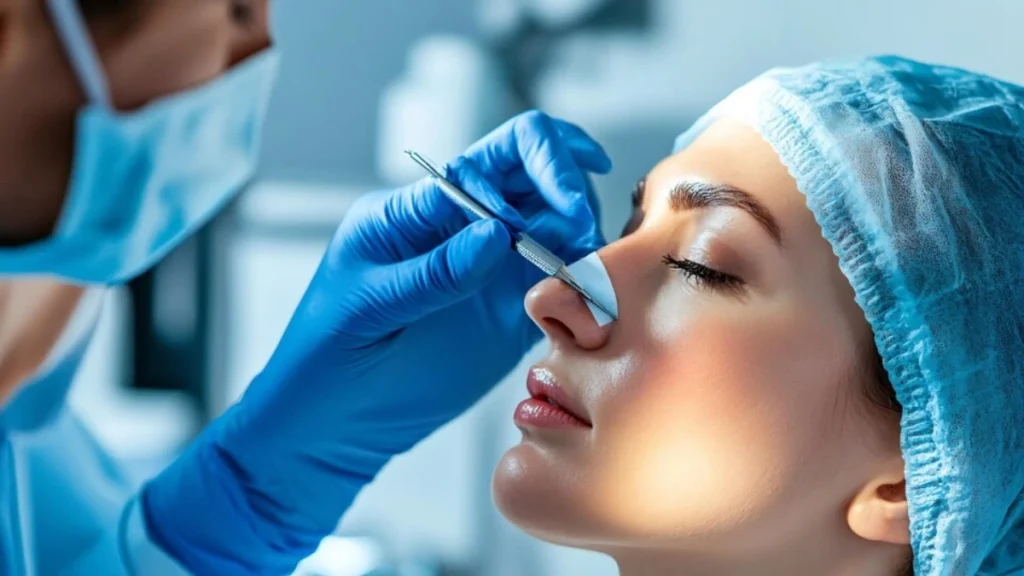
Nasal breathing problems can make everyday activities uncomfortable. Blocked airflow may affect sleep, exercise and overall comfort.
Structural issues inside the nose can sometimes be responsible for these problems. A carefully planned procedure can improve airflow while maintaining a natural nasal appearance.
Nasal Blockage and Daily Comfort
Constant nasal blockage can make normal breathing difficult. People may rely more on mouth breathing during the day or night.
This can cause dryness and discomfort. Addressing the underlying nasal structure may help create a clearer airway.
Common Reasons For Poor Airflow
A deviated septum is one common cause of restricted nasal breathing. Narrow nasal passages, enlarged tissues or previous trauma can also affect airflow.
An accurate examination helps identify the main structural problem. Treatment can then focus on the areas causing obstruction.
Nasal Septum and Breathing Path
The septum separates the two nasal passages. When it becomes significantly deviated, it can reduce the available space for air to move through.
Correcting the affected structure can create a more balanced airway. The surgeon determines the appropriate correction based on individual anatomy.
Strengthening Weak Nasal Structures
Some breathing problems occur because parts of the nose lack enough structural support. Weak nasal walls can narrow during normal breathing or physical activity.
Surgical techniques may strengthen these areas when appropriate. Better support can help maintain a more stable nasal airway.
Nasal Airway Examination
A detailed examination looks at both the outside and inside of the nose. The surgeon reviews the septum, nasal passages, cartilage and areas of narrowing.
Your symptoms and breathing pattern also help guide the assessment. This information supports a treatment plan suited to your needs.
Nasal Function and Aesthetic Balance
Some patients want to improve breathing while also making subtle changes to their nasal shape. Both goals can sometimes be considered during the same procedure.
The focus remains on maintaining facial balance. Changes should support nasal function without creating an unnatural appearance.
Breathing During Exercise
Physical activity increases the body’s need for oxygen. Nasal obstruction may become more noticeable when breathing demands increase.
Improving structural airflow can make nasal breathing more comfortable during exercise. Results depend on the cause of the restriction and individual healing.
Nighttime Nasal Breathing
Nasal congestion or structural narrowing can make nighttime breathing harder. Some people may breathe through their mouth while sleeping as a result.
Improving nasal airflow may support more comfortable breathing at night. Persistent sleep-related breathing problems should still receive proper medical evaluation.
Treatment Planning at Institute Cosmetique
Every patient’s nasal structure is different. The surgeon reviews the airway, symptoms, previous injuries and desired outcome before planning treatment.
At Institute Cosmetique, this assessment helps create an approach based on individual functional needs rather than using a standard surgical plan.
Nasal Shape Changes With Functional Treatment
Functional concerns can sometimes exist alongside unwanted changes in nasal shape. Addressing both areas may provide a more balanced overall result.
Patients considering Nose Reshaping surgery in Lahore can discuss their breathing concerns and cosmetic goals during the same consultation.
The Initial Nasal Recovery Stage
Swelling and temporary congestion are common after nasal surgery. Breathing may feel different during the first stages of recovery.
Following aftercare instructions can support proper healing. Patients should avoid unnecessary pressure or impact on the nose during recovery.
Protecting Nasal Healing
The healing nose needs time to regain strength. Strenuous activity and situations that could cause nasal injury may need to be limited temporarily.
Regular follow-up appointments allow the surgeon to monitor progress. Any unusual symptoms should be reported promptly.
Tracking Changes in Breathing
Breathing improvements may develop gradually as swelling decreases. Early congestion does not necessarily represent the final result.
Patients should give the tissues enough time to heal. Follow-up assessments can help evaluate the progress of nasal function.
Long-Term Airway Goals
The purpose of Functional Rhinoplasty is to address structural problems that interfere with nasal breathing. Treatment focuses on creating a more effective and stable airway.
Long-term results depend on anatomy, surgical technique, healing and aftercare. Realistic expectations are important throughout the process.
Making Breathing a Treatment Priority
Good nasal function can contribute to greater comfort during everyday activities, exercise and sleep. Identifying the structural cause is an important first step.
Functional Rhinoplasty offers a surgical option for selected patients with structural breathing problems. A personalized assessment helps determine whether the procedure is suitable.
Key Points to Remember
Better nasal breathing starts with identifying the reason for restricted airflow. Septal deviation, narrow passages, weak support and previous trauma can all play a role.
The right treatment depends on individual nasal anatomy and functional needs. Proper assessment and careful aftercare can support a smoother recovery and lasting results.
Frequently Asked Questions
Can this procedure improve nasal breathing?
Yes. It may improve airflow when structural problems inside the nose are responsible for breathing difficulties.
Can a deviated septum affect breathing?
Yes. A significant septal deviation can narrow one or both nasal passages and restrict airflow.
Will breathing improve immediately after surgery?
Not always. Swelling and congestion can temporarily affect breathing during the early healing period.
Can breathing and appearance be addressed together?
In suitable cases, functional concerns and cosmetic changes can be planned as part of one treatment approach.
How long does nasal healing take?
Initial recovery usually progresses over several weeks while deeper tissues may continue settling for longer.