
Healthy skin requires protection from many environmental factors, and sunlight is one of the biggest influences on skin health. While sunlight provides essential benefits, excessive exposure to ultraviolet (UV) rays can negatively affect your skin over time.
Daily sun exposure can contribute to concerns such as dark spots, uneven skin tone, premature aging, dryness, and loss of skin elasticity. These effects are often gradual, which means many people do not notice the damage until visible signs appear.
In Pakistan, strong sunlight, outdoor activities, and seasonal changes make sun protection an important part of everyday skincare. A proper routine that includes cleansing, hydration, nourishment, and sun protection can help maintain healthier-looking skin.
QHC Sunblock In Pakistan focuses on skincare solutions designed to support skin health by helping individuals protect, nourish, and maintain their natural glow. Understanding how UV rays affect your skin is the first step toward building better skincare habits.
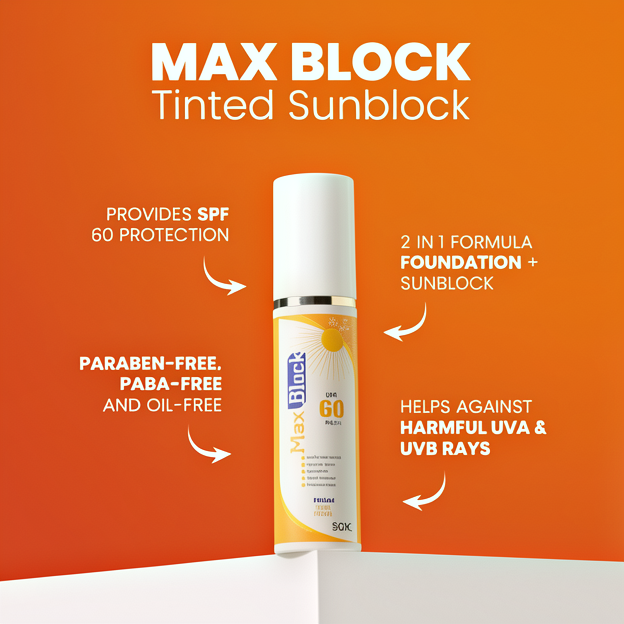
Understanding UV Rays and Their Impact on Skin
Ultraviolet rays are invisible rays produced by the sun. When your skin is exposed to UV radiation for extended periods, it can trigger changes within skin cells.
There are two main types of UV rays that affect the skin:
UVA Rays
UVA rays penetrate deeper into the skin and are strongly linked with premature aging. They can affect collagen and elastin, which are responsible for maintaining firmness and smoothness.
Long-term UVA exposure may contribute to:
- Fine lines
- Wrinkles
- Reduced skin elasticity
- Uneven skin texture
UVB Rays
UVB rays mainly affect the outer layers of the skin. They are responsible for sunburn and play an important role in causing visible skin damage.
UVB exposure may lead to:
- Redness
- Irritation
- Dark spots
- Uneven complexion
Both types of UV rays can impact your skin, making daily sun protection essential.
How UV Exposure Causes Dark Spots and Uneven Skin Tone
One of the most common effects of excessive sun exposure is the appearance of dark spots.
When your skin detects UV damage, it produces more melanin, the pigment responsible for skin color. This process is the body’s natural defense mechanism against sunlight. However, increased melanin production can sometimes result in uneven pigmentation.
Common causes of dark spots include:
- Frequent sun exposure
- Lack of sunscreen use
- Hormonal changes
- Skin inflammation
- Environmental stress
Many people look for products that help improve the appearance of dullness and uneven tone. Choosing suitable skincare products, such as a Best Skin Whitening Cream In Pakistan, along with proper sun protection, can support a brighter and more balanced-looking complexion.
It is important to understand that healthy skincare focuses on improving skin appearance and maintaining skin wellness rather than changing your natural skin color.
UV Rays and Premature Skin Aging
Aging is a natural process, but excessive sun exposure can speed up visible signs of aging. This process is often called photoaging.
UV rays can break down collagen and elastin fibers in the skin. These proteins help keep skin firm, smooth, and youthful-looking.
Signs of sun-related aging may include:
- Fine lines
- Wrinkles
- Loss of firmness
- Rough texture
- Dull appearance
Protecting your skin from UV damage is one of the most effective steps in maintaining a healthier and more youthful appearance.
QHC encourages a skincare approach that combines protection, hydration, and nourishment to support long-term skin health.
The Role of Sunscreen in Daily Skin Protection
Sunscreen is one of the most important skincare products for protecting your skin from harmful UV exposure.
Many people use sunscreen only during summer or outdoor activities, but UV rays can affect your skin throughout the year. Daily use helps provide consistent protection.
Benefits of regular sunscreen use include:
- Reducing UV-related skin damage
- Supporting even-looking skin tone
- Helping prevent premature aging
- Protecting skin from environmental stress
For effective protection:
- Apply sunscreen every morning
- Use enough product to cover exposed areas
- Reapply during extended outdoor activities
- Choose a formula suitable for your skin type
A consistent sun protection habit can significantly improve your overall skincare routine.
How to Build a Skincare Routine for Sun Protection
A complete skincare routine does not need to be complicated. The right steps can help protect and improve your skin over time.
1: Gentle Cleansing
Cleansing removes dirt, oil, sweat, and pollution that collect on your skin.
A gentle cleanser helps prepare your skin for other skincare products while maintaining moisture balance.
2: Hydration
Hydration supports a healthy skin barrier and helps prevent dryness caused by environmental exposure.
Moisturizing ingredients such as hyaluronic acid, glycerin, and ceramides help maintain softness and comfort.
3: Skin Nourishment
Nourishing ingredients support skin repair and overall appearance.
Popular skincare ingredients include:
- Vitamin C for brighter-looking skin
- Niacinamide for improving skin texture
- Antioxidants for protection against environmental stress
4: Sun Protection
The final morning step should always include sunscreen. It helps protect the skin after completing your skincare routine.
QHC supports simple routines that focus on daily consistency and healthy skin practices.
Common Sun Protection Mistakes to Avoid
Even people who use sunscreen may not receive full benefits because of common mistakes.
Applying Too Little Sunscreen
Using an insufficient amount may reduce the level of protection.
Forgetting Certain Areas
People often miss areas like the ears, neck, and hands.
Skipping Sunscreen on Cloudy Days
UV rays can still reach your skin when the weather is cloudy.
Not Reapplying
Long outdoor exposure requires sunscreen reapplication for continued protection.
Using Expired Products
Expired skincare products may not provide the expected benefits.
Avoiding these mistakes helps improve your daily protection routine.
Lifestyle Tips to Reduce Sun Damage
Skincare products are important, but lifestyle choices also support healthy skin.
Helpful habits include:
- Wearing protective clothing
- Using sunglasses outdoors
- Staying hydrated
- Eating antioxidant-rich foods
- Avoiding unnecessary prolonged sun exposure
- Following a consistent skincare routine
A healthy lifestyle works together with skincare products to support better skin quality.
Why Choose QHC for Your Skincare Needs?
QHC believes that effective skincare should focus on protection, nourishment, and maintaining natural skin health.
Modern skincare requires products that support different concerns, including hydration, uneven tone, dryness, and environmental damage. QHC aims to provide skincare solutions that fit everyday routines and help individuals care for their skin with confidence.
By combining good skincare habits with suitable products, you can support smoother texture, improved hydration, and a healthier-looking complexion.
Final Words
UV rays can have a major impact on your skin, contributing to dark spots, premature aging, and visible damage. While sunlight is a natural part of life, protecting your skin through daily skincare habits can help maintain its health and appearance.
A balanced routine that includes cleansing, hydration, nourishment, and sunscreen can make a significant difference over time. Choosing quality skincare products from trusted brands like QHC can support your journey toward healthier and more radiant skin.
Remember, prevention is one of the most effective skincare strategies. By protecting your skin today, you help maintain its natural beauty and strength for the future.
Frequently Asked Questions
1. How do UV rays damage the skin?
UV rays can damage skin cells, break down collagen, increase pigmentation, and contribute to premature aging signs such as wrinkles and uneven tone.
2. Should sunscreen be used every day?
Yes, daily sunscreen use helps protect skin from regular UV exposure and supports long-term skin health.
3. Can UV rays cause dark spots?
Yes, UV exposure can increase melanin production, which may lead to dark spots and uneven skin tone.
4. What ingredients help improve dull-looking skin?
Ingredients like vitamin C, niacinamide, antioxidants, and hydrating compounds can support brighter and healthier-looking skin.
5. How can I protect my skin from sun damage?
Use sunscreen daily, maintain hydration, follow a consistent skincare routine, and limit excessive direct sun exposure.