
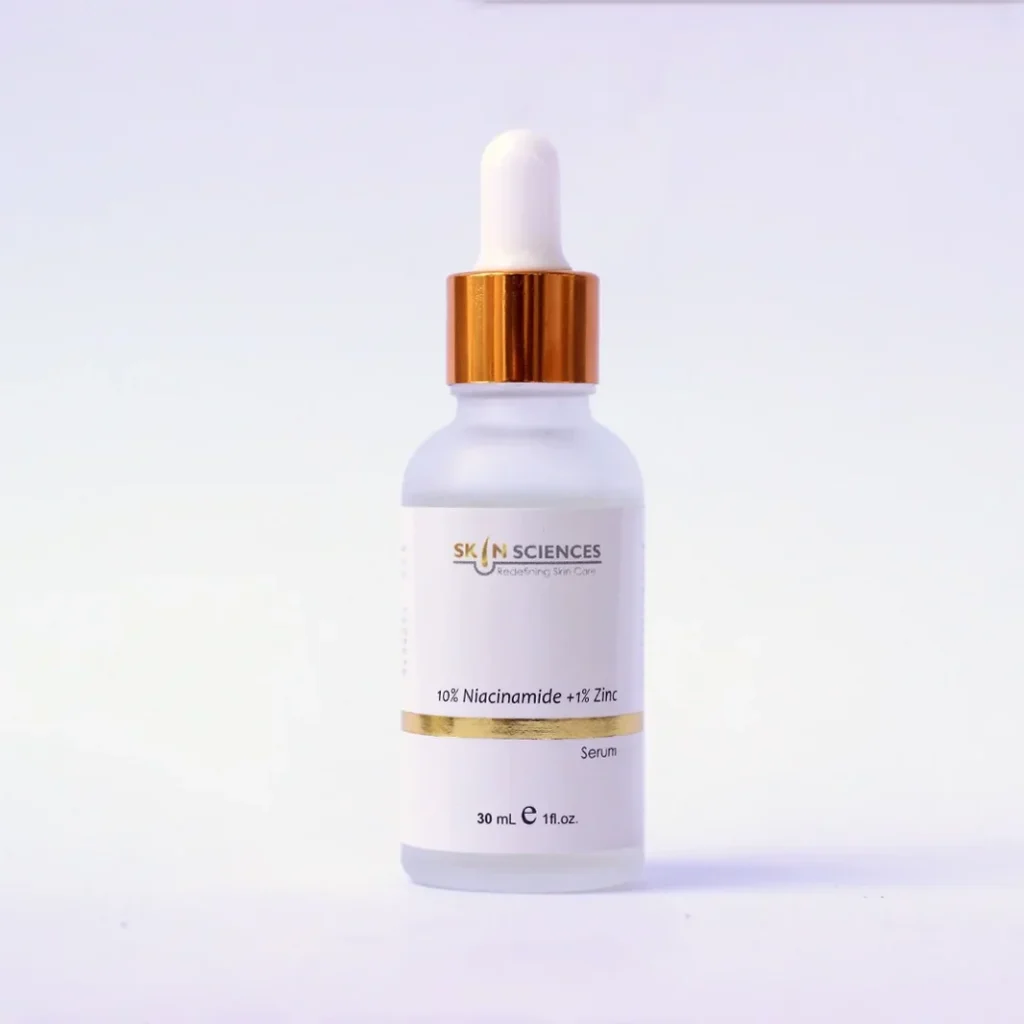
Dark spots can take weeks or even months to fade, making it frustrating when your skincare routine doesn’t seem to deliver visible improvements. Why Isn’t My Niacinamide Serum Reducing Dark Spots? In many cases, the issue is not the ingredient itself but factors such as inconsistent use, incorrect product layering, lack of sun protection, or unrealistic expectations. Niacinamide Serum is well known for supporting the skin barrier, improving uneven skin tone, and enhancing overall skin health, but it performs best as part of a complete skincare routine rather than as a standalone solution.
At Skin Sciences, we believe that informed skincare choices lead to healthier, brighter-looking skin. Understanding the reasons behind slow progress can help you adjust your routine and achieve better long-term results.
Understanding How Niacinamide Works
Niacinamide, a form of vitamin B3, is one of the most researched skincare ingredients available today. It supports multiple skin concerns instead of targeting only one issue.
Its benefits include:
- Supporting the skin barrier
- Improving moisture retention
- Reducing the appearance of uneven skin tone
- Helping calm visible redness
- Improving overall skin texture
- Supporting a brighter complexion
Rather than bleaching the skin, niacinamide works gradually by helping regulate the movement of melanin within the skin, making discoloration appear less noticeable over time.
Dark Spots Have Different Causes
Not every mark on the skin develops for the same reason. Identifying the cause helps determine realistic treatment expectations.
Common types of pigmentation include:
Post-Inflammatory Hyperpigmentation (PIH)
These marks often appear after acne, insect bites, or skin irritation.
Sunspots
Years of ultraviolet exposure may create areas of uneven pigmentation.
Melasma
Hormonal changes can contribute to larger patches of discoloration that often require a more comprehensive treatment plan.
Each type of pigmentation responds differently to skincare ingredients.
Results Require Consistency
Many people stop using a product after only a few weeks because they expect immediate improvement.
Skin renewal is a gradual biological process. Visible changes often require consistent application over several weeks or even months.
Applying your serum regularly as part of your morning or evening skincare routine gives your skin the opportunity to respond naturally.
Skipping applications frequently may slow visible progress.
Sunscreen Plays a Critical Role
One of the most common reasons pigmentation remains noticeable is inadequate sun protection.
Even if your skincare routine includes effective brightening ingredients, daily exposure to UVA rays and UVB rays can encourage excess melanin production.
For best results:
- Apply broad-spectrum SPF every morning.
- Reapply sunscreen when spending extended time outdoors.
- Wear protective clothing whenever practical.
Without daily sun protection, new pigmentation may continue developing while existing spots take longer to fade.
Product Layering Matters
The order in which skincare products are applied influences absorption.
A simple routine usually follows this sequence:
- Gentle facial cleanser
- Hydrating toner (optional)
- Face serum
- Moisturizer
- Sunscreen during daytime
Applying lightweight products before heavier creams allows active ingredients to reach the skin more effectively.
Your Skin Barrier May Need Support
Healthy skin absorbs skincare products more efficiently.
If the skin barrier becomes weakened due to over-exfoliation, harsh cleansers, or environmental stress, it may become:
- Dry
- Tight
- Sensitive
- Easily irritated
Barrier-supporting ingredients such as ceramides, glycerin, panthenol, and squalane help maintain hydration while improving overall skin comfort.
At Skin Sciences, protecting the skin barrier is considered an essential step toward long-term skincare success.
Concentration Isn’t Everything
Higher percentages do not automatically produce faster results.
For many individuals, moderate concentrations provide excellent benefits while minimizing unnecessary irritation.
Choosing a well-formulated product with balanced ingredients often delivers better long-term outcomes than selecting products based solely on strength.
Exfoliation Can Improve Skin Renewal
Dead skin cells may accumulate on the surface, making discoloration appear more noticeable.
Gentle exfoliation helps encourage healthier cell turnover.
Ingredients commonly used include:
- Glycolic acid
- Lactic acid
- Salicylic acid
- Mild AHAs
However, excessive exfoliation may weaken the skin barrier and increase sensitivity.
Balance is far more important than frequency.
Hydration Supports Healthy Skin
Hydrated skin generally functions more effectively than dehydrated skin.
Look for moisturizers containing:
- Hyaluronic acid
- Glycerin
- Ceramides
- Panthenol
These ingredients support moisture retention and improve the overall appearance of the complexion.
Keeping the skin well hydrated also complements brightening ingredients by maintaining a healthier skin barrier.
Combining Compatible Ingredients
Many skincare ingredients work well together when used appropriately.
Examples include:
- Vitamin C
- Peptides
- Hyaluronic acid
- Ceramides
Some individuals also combine niacinamide with ingredients such as alpha arbutin, azelaic acid, or tranexamic acid depending on their skincare goals.
If introducing multiple active ingredients, add them gradually rather than all at once to minimize irritation.
Lifestyle Habits Influence Pigmentation
Skincare products represent only one part of maintaining healthy skin.
Daily habits also affect complexion.
Get Enough Sleep
Skin naturally repairs itself overnight.
Stay Hydrated
Adequate water intake supports overall skin function.
Eat a Balanced Diet
Foods containing antioxidants, healthy fats, vitamins, and minerals contribute to healthier-looking skin.
Manage Stress
Long-term stress may influence skin health through several biological pathways.
Healthy habits complement topical skincare rather than replacing it.
Avoid Comparing Your Results to Others
Everyone’s skin behaves differently.
Factors affecting pigmentation improvement include:
- Age
- Skin tone
- Sun exposure
- Hormonal influences
- Previous acne
- Daily skincare habits
Two people using the same serum may experience different timelines for visible improvement.
Patience and consistency remain essential.
Common Skincare Mistakes That Slow Progress
Several everyday habits may reduce the effectiveness of your routine.
These include:
- Sleeping with makeup
- Skipping sunscreen
- Frequently changing products
- Using harsh scrubs
- Over-cleansing
- Applying products inconsistently
Correcting these habits often supports better long-term skincare results.
Ingredients That Complement Brightening Routines
An effective skincare routine often combines several supportive ingredients.
These include:
- Niacinamide
- Hyaluronic acid
- Ceramides
- Peptides
- Vitamin E
- Panthenol
- Glycerin
- Antioxidants
Each ingredient contributes differently by supporting hydration, strengthening the skin barrier, or improving overall skin texture.
At Skin Sciences, carefully selected ingredients are chosen to work together in support of healthier-looking skin.
Choosing Products That Match Your Skin Type
Not every formulation performs equally well for every complexion.
Oily Skin
Lightweight, fast-absorbing products usually provide comfortable hydration.
Dry Skin
Richer moisturizers help reduce moisture loss while supporting barrier function.
Combination Skin
Balanced formulations provide hydration without leaving oily areas feeling heavy.
Sensitive Skin
Simple ingredient lists with soothing components are often better tolerated.
Understanding your skin type makes product selection much more effective.
Building a Reliable Daily Routine
Consistency is often more valuable than using a large number of products.
A practical routine includes:
- Cleansing twice daily
- Applying targeted treatment products
- Moisturizing regularly
- Wearing sunscreen every morning
Simple routines are easier to maintain and often produce better long-term results than overly complicated regimens.
Why Skin Sciences Encourages Science-Based Skincare
Skincare trends change rapidly, but healthy skin depends on evidence-based habits rather than quick fixes.
Skin Sciences focuses on combining quality ingredients with practical skincare education so consumers can make informed decisions. Building a routine around hydration, barrier support, daily sun protection, and consistent care helps create the ideal environment for gradual improvement in skin tone and texture.
Summary
Reducing the appearance of dark spots takes patience, consistency, and a well-balanced skincare routine. Slow results do not necessarily mean your serum is ineffective. Factors such as sun exposure, inconsistent application, an impaired skin barrier, inadequate hydration, product layering mistakes, and the natural pace of skin renewal all influence how quickly pigmentation begins to fade.
By maintaining realistic expectations, protecting your skin from daily UV exposure, supporting hydration, and following a consistent routine with carefully selected ingredients, you can improve your chances of achieving a brighter and more even-looking complexion. Skin Sciences remains committed to helping Pakistani consumers build effective skincare routines through science-backed formulations, trusted ingredients, and practical guidance that supports healthy skin for the long term.
Your niacinamide serum may not be reducing dark spots due to inconsistent use, insufficient sun protection, or using a formulation that is too weak for your skin concern. Dark spots like post-acne marks and hyperpigmentation take time to fade and require regular use along with sunscreen to prevent further pigmentation. Supporting your routine with gentle exfoliation and a complete skincare regimen improves visible results over time.
Explore more skincare guidance here:https://rhinoplasty.org.pk/